Jogo Hoje brings the kind of volleyball that’s all about details: one Brazilian left his imprint with the opposite role, while another did the job for his team without having to carry the weight. In this Japanese men’s league round, Felipe Roque looked like he belonged on the highlight reel, and Lucarelli made his case through efficiency and smart touches.
The Brazilian Round in Japan
Two Brazilian names, two different match scripts. Roque entered the court as a volume-and-quality problem for the Toray Arrows, while Lucarelli’s JTEKT leaned on structure, timing, and selective impact. The standings piece matters too, because every set in the regular season is basically a vote cast for momentum.
Felipe Roque Takes Over for JT Thunders
Felipe Roque finished with 13 points, serving as the second-highest scorer for JT Thunders in the 3 sets to 1 win over Toray Arrows. The tactical story is clear: his blocking gave JT Thunders extra bite, because 4 of his points came from the net. And when the offense needed a clean swing, Roque delivered with 59% attack efficiency, plus an ace to flip the tempo at the exact moments Toray wanted rhythm.
The set flow tells you the match wasn’t just one-way traffic. JT Thunders won 22-25, 25-21, 25-16 and 25-19, which is classic “adjust and tighten the screws” volleyball. Roque’s role as an opposite wasn’t about fireworks for the sake of it; it was about being reliable under pressure, staying aggressive, and making sure the opponent couldn’t settle into comfortable defense.
With the win, JT Thunders sit 6th with 21 victories. That position doesn’t come from vibes. It comes from players like Roque being decisive when the ball is hot.
Lucarelli Wins With Less Volume, But High Efficiency
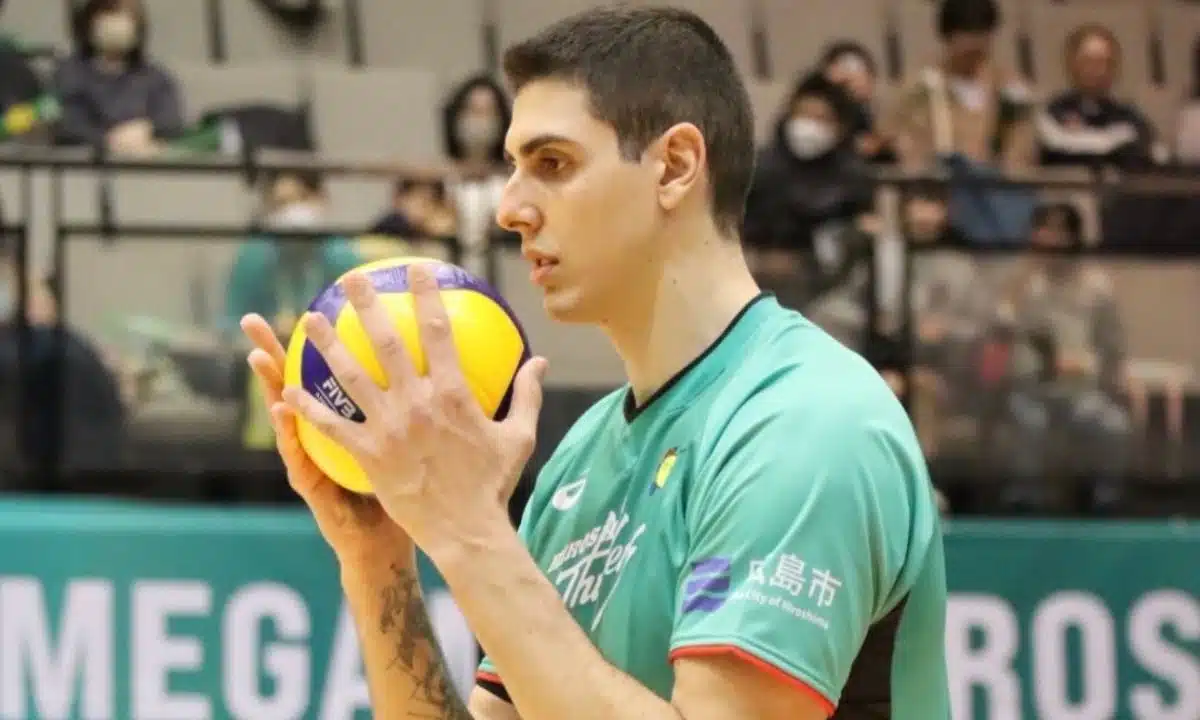
On the other side of the Brazilian coin, Lucarelli’s numbers look quieter, but the efficiency is there. He scored only 2 points, though he still posted 66.67% efficiency when opportunities came. That’s the kind of stat line that usually belongs to a player doing exactly what the system asks: take the right swing, convert the right ball, and don’t leak quality at the margins.
Lucarelli also chipped in on reception, registering two well-executed balls. In a league where matches often swing on first contact, that matters. And because he’s a outside hitter-type profile in the rotation, those reception reps aren’t just “support”; they’re the platform that lets the offense breathe.
JTEKT handled Nagoya in a tighter battle, winning 3 sets to 2 with parciais of 25-22, 25-21, 22-25, 25-27 and 15-11. Lucarelli’s impact might not have screamed from the scoreboard, but it fit the tactical script: keep the ball in play, be effective on the chances, and let the team’s structure do the rest. JTEKT now occupies 3rd with 27 victories.
What the Results Change in the Standings
Roque’s JT Thunders win is a statement of intent—especially coming through a game that swung back and forth after the opening set. When an opposite is hitting 59% on the attack, adding blocking points and an ace, you’re not just winning sets. You’re controlling the rhythm, forcing the opponent to guess, and making their defensive plan feel expensive.
Meanwhile, Lucarelli’s JTEKT victory underlines a different lesson: you don’t always need a leading ponteiro to win. You need reliability in reception and efficiency in execution. JTEKT’s path to a fifth set finish, then closing 15-11, shows they can absorb pressure and still cash in when the rally script tightens.
So which approach is “better”? That’s the fun part. Roque gave you volume plus impact. Lucarelli gave you clean returns without overextending. Both win matches, but only one makes the opponent feel like they’re chasing a moving train.
Fechamento com panorama da fase regular
As the regular season grinds on, this round reads like a microcosm of how teams separate: JT Thunders climb by manufacturing scoring moments through a high-efficiency opposite. JTEKT stays in the upper tier by building steadiness—solid reception, disciplined touches, and conversion when the ball finally arrives. One Brazilian looked like the engine. The other looked like the steering wheel.
O Veredito Jogo Hoje
Roque didn’t just “help” JT Thunders. He acted like the offensive nerve center—13 points, 4 from blocking, 59% attack efficiency, and an ace is a combo that turns pressure into points. Lucarelli’s line is proof that you can win without grabbing headlines, but let’s be honest: the match’s swing factor was Roque’s ability to punish. That’s the difference between participation and authorship, and tonight the authorship wore a JT Thunders jersey. Assinado, Analista Tático.
Perguntas Frequentes
How many points did Felipe Roque score in JT Thunders’ win?
Felipe Roque scored 13 points in the JT Thunders’ 3-1 victory over Toray Arrows.
What was Lucarelli’s performance in JTEKT’s win?
Lucarelli finished with 2 points and 66.67% efficiency, also contributing with two successful reception balls.
Where do the teams stand in the Japanese league after these matches?
JT Thunders are 6th with 21 victories, while JTEKT are 3rd with 27 victories.