In a night that felt like it ran on pure serve-and-spotlight pressure, the Brazilian contingent in Japan turned the volume up. According to our coverage at JogoHoje, the SV League keeps rewarding the teams that can win the cinco sets type of battles, and this one had Ricardo Lucarelli written all over it.
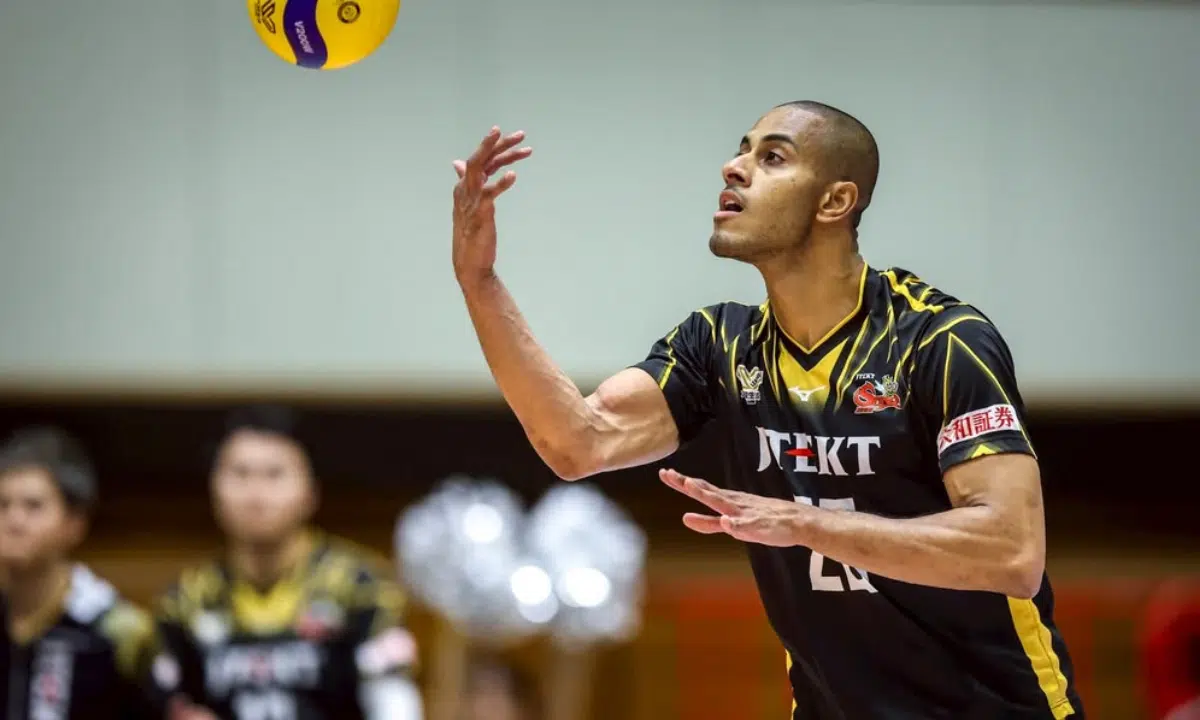
JTEKT Stings survived a 3–2 rollercoaster against the bottom side, Nagano Tridents, with set scores of 25/23, 21/25, 25/19, 24/26 and 15/11. The win wasn’t just “a win.” It was a statement, and Lucarelli was the hinge on which the match swung.
The hard-fought JTEKT victory
Yes, Nagano were last in the table. But anyone who thinks that makes it easier clearly hasn’t watched playoff qualification games in Japan. The Tridents forced stretches of chaos, and JTEKT had to claw their way through momentum swings without letting the match drift toward the retaguarda defensiva when it got messy.
From a tactical standpoint, JTEKT’s path was clear: keep the ball playable, punish in transition, and make sure the middle and the wings weren’t surrendering easy lanes. Lucarelli, as a ponteiro, didn’t just score. He controlled tempo from the edges and tightened the net picture whenever the rally got spicy.
Lucarelli’s performance, point by point
Seventeen points in a five-set match is already heavy. But the real takeaway is how those points arrived, and how his numbers map to game phases. Lucarelli logged 14 attack points at 50% efficiency, a line that tells you the offense wasn’t reckless. He attacked with purpose, not panic.
Then came the blocking moments—three points at the net that changed the geometry of the rallies. That bloqueio de rede wasn’t just “stuffing.” It was communication, timing, and taking away the hitter’s comfort zone. When your blocking is credible, the opponent starts second-guessing their angles, and that’s where the match tilts.
And let’s not forget the ripple effect: Stephen Boyer was the top scorer with 31 points, but Lucarelli’s job was to keep JTEKT’s offense from going flat after pressure peaks. That balance matters, especially in the reta final da fase classificatória, where one late run can decide whether you land inside the safe zone.
The weight of the result in the SV League table
With the 3–2 outcome, JTEKT Stings stay locked in 3rd place: 29 wins and 15 losses. That position isn’t just a number; it’s the difference between watching playoff qualification from the inside versus earning the right to skip extra hurdles.
The SV League structure is brutal in its simplicity: the top two move straight to the semifinals, while teams from 3rd to 6th fight for a qualification phase to reach the playoffs. So when JTEKT drops sets, it’s not entertainment—it’s a stress test for the squad’s process.
Lucarelli’s mix of efficient offense and net impact is exactly what you want as the league edges toward the playoff qualificatório picture. Because if you’re forced into do-or-die volleyball, you need players who can win rallies without relying on luck.
Felipe Roque also gets involved in the round
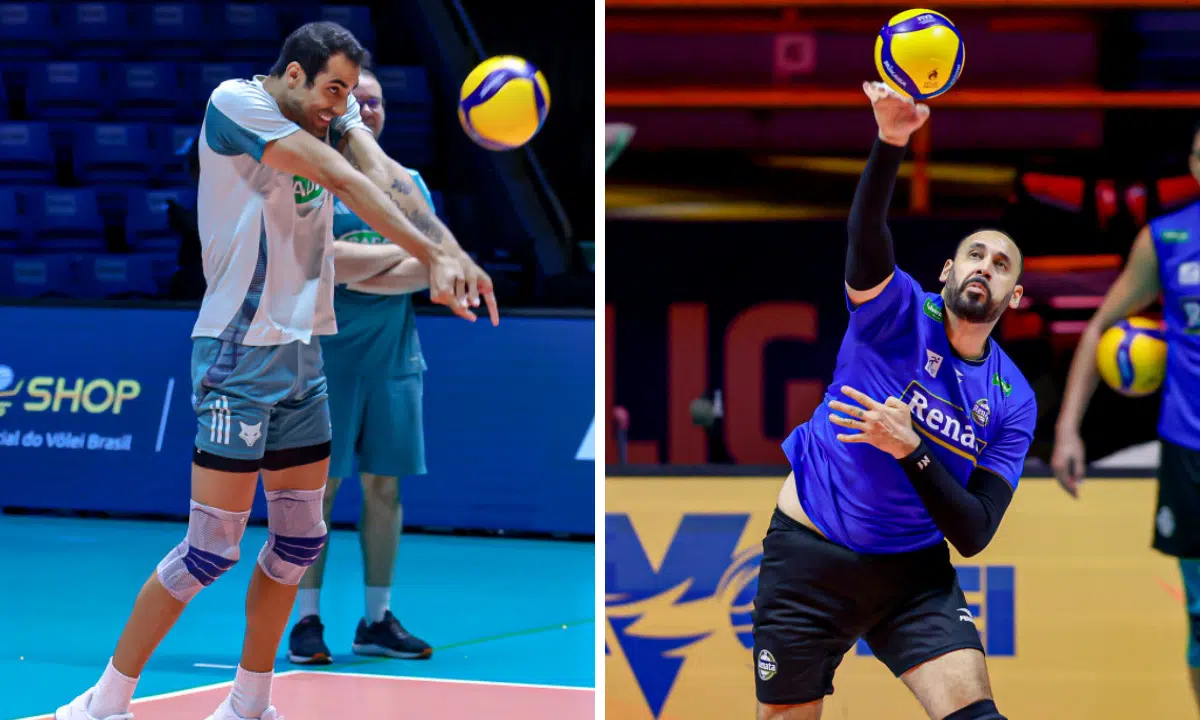
Across town, Felipe Roque’s JT Thunders had a different kind of drama. Coming off the bench and participating in every set, Roque contributed six points in the match against vice-leaders Osaka Blueton.
The Thunders led briefly, but the turning point swung when Osaka found answers and the Thunders couldn’t stabilize their defensive sequences. The final score was Osaka’s 3–2 win, with parciais of 24/26, 25/23, 22/25, 25/19 and 15/9.
Roque’s output matters because it reflects the depth the Thunders need as they chase consistency toward the reta final da fase classificatória. Still, JT Thunders sit 5th with 21 wins and 23 defeats, meaning every set is a potential swing factor for their path.
What changes in the closing stretch of the Japanese league
Here’s the uncomfortable truth: in volleyball, “late” is a relative term. With the standings tight around the top-six range, one inefficient decision can snowball into a standings problem by the time the qualification phase arrives.
JTEKT’s 3rd-place hold is reinforced by Lucarelli’s ability to keep the offense in rhythm and punish mistakes at the net. That kind of eficiência ofensiva, paired with reliable bloqueio de rede, forces opponents to play a more cautious game, which in turn protects your own retaguarda defensiva when the rally extends.
Meanwhile, JT Thunders will have to be sharper in their transition defense and more ruthless with their attack choices if they want to climb back toward safer territory. If the margin is small, then the net is where you win the argument.
O Veredito Jogo Hoje
Ricardo Lucarelli didn’t just add points—he edited the match. The 17 total, the 14 attack points at 50% efficiency, and the three blocking strikes tell the same story: when the rally got tense, he made it harder to score and easier to stay in control. In a season where the gap between a top-two finish and the qualification gauntlet is thin as a service line, that blend of ponteiro aggression and net authority is exactly what separates “good runs” from real playoff positioning. Assinado, Analista Tático do JogoHoje.
Perguntas Frequentes
How many points did Lucarelli score in JTEKT Stings’ win?
Ricardo Lucarelli scored 17 points in the 3–2 victory over Nagano Tridents.
What position is JTEKT Stings in the SV League?
JTEKT Stings remain in 3rd place, with 29 wins and 15 losses.
How did Felipe Roque perform in the round?
Felipe Roque came off the bench and played in all sets, scoring 6 points in JT Thunders’ 3–2 loss to Osaka Blueton.