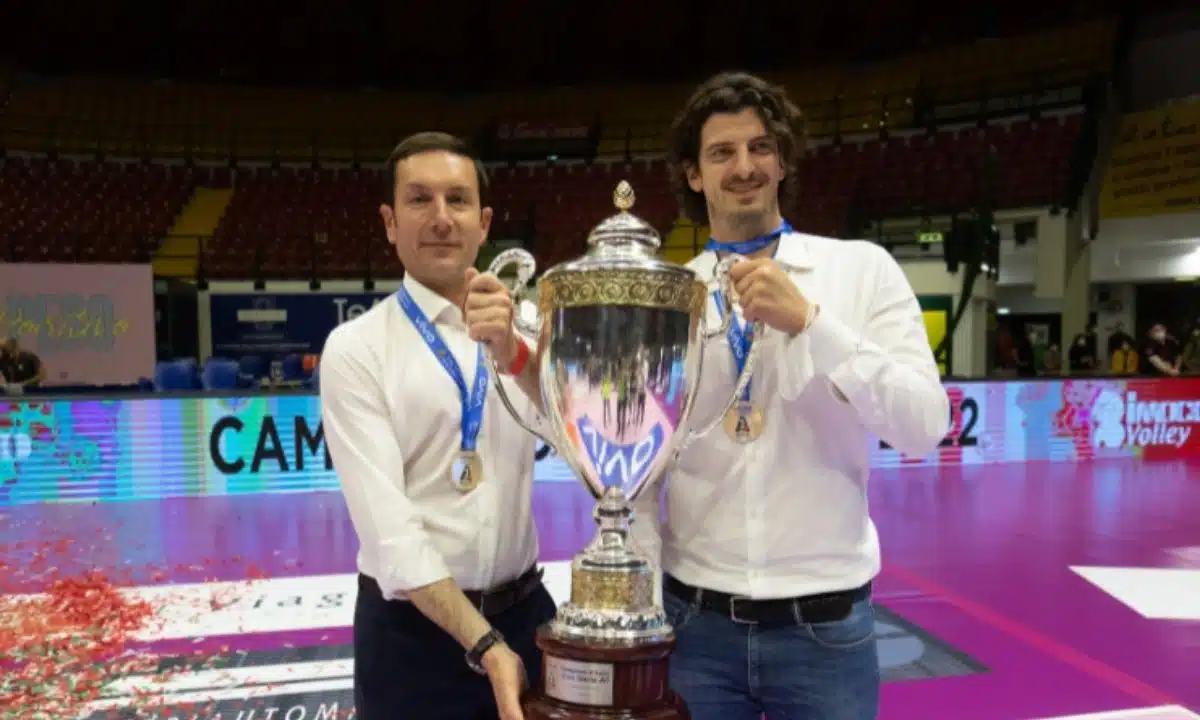
According to Jogo Hoje, the latest volleyball storm isn’t about tactics, it’s about institutional image. Pietro Maschio, the co-president of Conegliano, unloaded a scorching critique of the World Clubes tournament held in Brazil, and the backlash landed fast enough to rattle the club’s front office before the weekend was even over.
After Conegliano were knocked out in the Champions League semi-finals last weekend, Maschio’s comments went viral. And once the clip hit timelines, the debate stopped being “how was the event run?” and turned into “what kind of message does this send?” That’s where reputational damage starts, and that’s exactly what retratação oficial is meant to contain.
What Pietro Maschio said
Maschio spoke in an interview with Italian outlets Il Gazzettino and Volleyball.it, looking back at the intercontinental tournament staged in Brazil the previous year. His tone wasn’t diplomatic. It was blunt, scathing, and loaded with barbs about the competition intercontinental experience and the structure de ginásio he said the team faced.
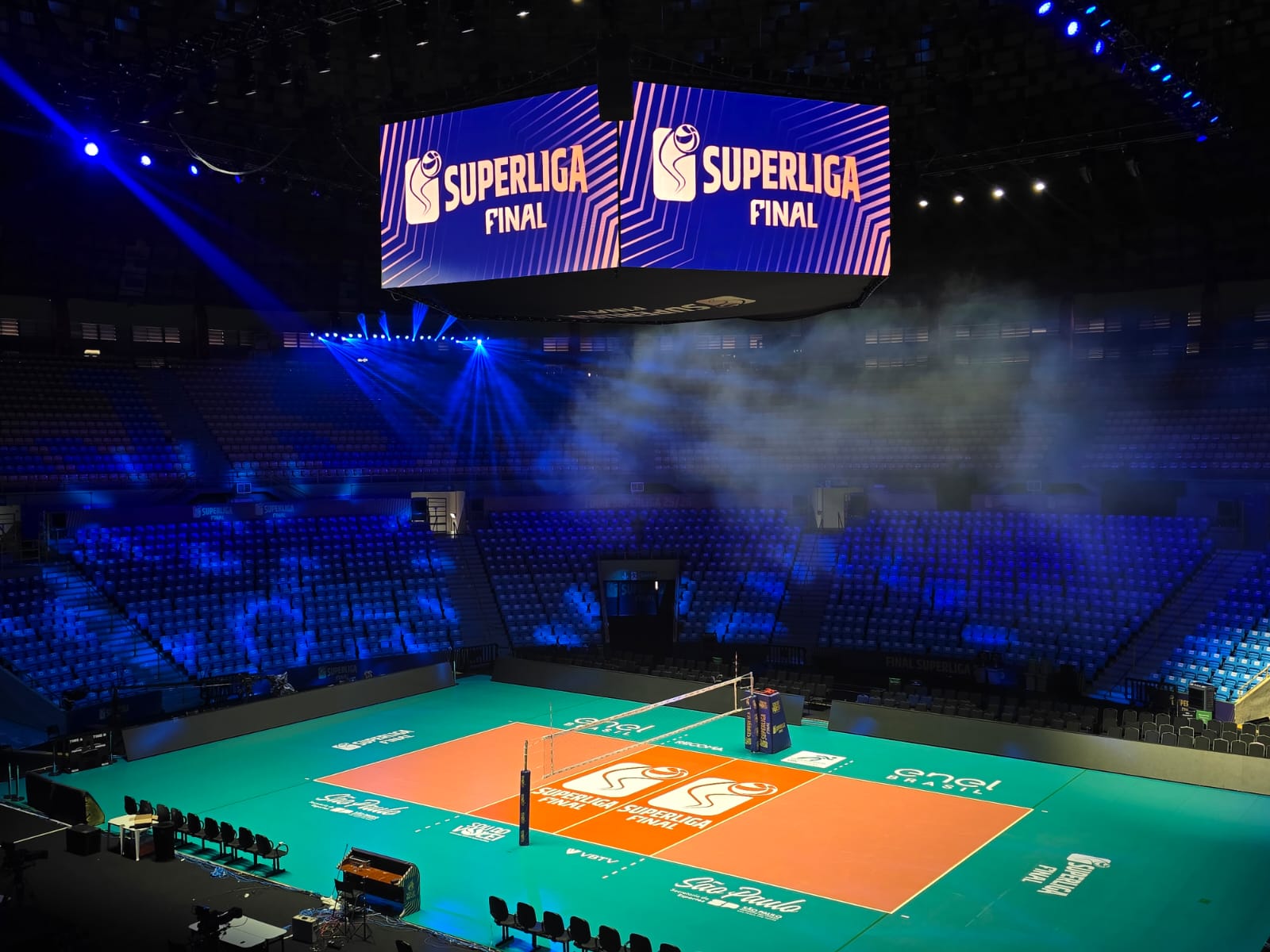
In his comments, Maschio effectively said the club was “fortunately” not involved in the event, calling it unnecessary and a burden. Then came the lines that detonated the conversation online: he referenced “pulgas” and even claimed there were medical reports tied to the situation, before adding that they had to play in a “ginásio vergonhoso”, questioning how a team operating at the top level could accept organizing an event like that.
Let’s be real: you can argue about logistics. But when you start talking like that, you’re not just critiquing an arena setup, you’re stepping on the event’s image and the country’s hosting reputation. That’s not analysis. That’s a PR grenade.
Why the comments sparked reaction in Brazil
The timing made it worse. Coming right after a Champions League semi-final exit, Maschio’s rant became a lightning rod for fans who felt the remarks were aimed at the host nation and not purely at operational flaws. That’s the kind of framing that turns a sports story into a culture-and-respect story.
And on social media, the clip didn’t just circulate. It got interpreted, remixed, and weaponised. Fans zoomed in on the “shocking arena” and the “fleas” references, dragging the discussion toward institutional image and whether the sport’s biggest clubs should be setting the tone so harshly when they’re talking about a torneio Mundial de Clubes on foreign soil.
So here’s the question: if the goal was to complain about venue conditions, why phrase it like a personal attack on the event itself? Because once the repercussão nas redes sociais starts, it’s not the volleyball that gets judged. It’s the credibility of the people speaking.
Conegliano’s official retracement
With the heat rising, Conegliano posted a retratação oficial on its social channels, speaking on behalf of the club and Pietro Maschio. The message tried to draw a line between a “venting moment” and the club’s stance toward Brazilian fans and organisers.
In the statement, the club clarified that the rant was meant to focus on how, in the club’s view, the tournament’s technical and media value has declined over recent editions. The club also leaned hard into gratitude, acknowledging the warm reception the team received in Brazil and highlighting the work involved in putting together the event on a tight schedule.
The core apology landed like this: the club said it was asking forgiveness for the mal-entendido to Brazilian supporters and passionate fans, adding that Conegliano would always be grateful for the support and care they felt during their time in Brazil.
The weight of the episode for Gabi Guimarães and for the club
For Gabi Guimarães, this isn’t just a headline. It’s personal context. When a top club’s leadership talks about the host environment in a way that feels insulting, it doesn’t stay in abstract PR. It lands on teammates, staff, and the athletes who represent the sport in front of those crowds.
And for Conegliano, the issue is bigger than one tournament. The sport’s growth depends on competição intercontinental events that keep attracting attention without turning every edition into a diplomatic mess. When the comments go viral, the club’s imagem institucional gets tested, and the cost is measured in trust.
That’s why the retratação oficial matters: it’s not about pretending the concerns never existed. It’s about preventing the narrative from hardening into a lasting label. Because once desgaste reputacional takes root, it’s tough to uproot.
O Veredito Jogo Hoje
This wasn’t a “tough interview”, it was a reputation hit in real time. Maschio didn’t just critique a structure de ginásio; he delivered a soundbite that made the torneio Mundial de Clubes in Brazil look like a circus, and that’s why the repercussão nas redes sociais turned savage. The club’s retratação oficial is damage control, plain and simple. If you want respect from the world, you don’t talk like you’re above the event you’re judging. — Jogo Hoje’s Polêmico Sem Filtro
Perguntas Frequentes
What did Pietro Maschio say about the World Clubes tournament in Brazil?
He criticised the event’s organisation and the arena conditions, mentioning “fleas” and claiming there were medical reports, then describing the gym setup as “shocking” in tone and in his overall assessment of the hosting.
Why did Conegliano ask for apologies after the interview?
Because the remarks triggered immediate backlash and the club issued an retratação oficial to clarify the intent, apologise for the misunderstanding, and reaffirm gratitude toward Brazilian fans and organisers.
What was the reaction from Brazilian fans to the dirigente’s comments?
Brazilian supporters pushed back strongly on social media, focusing on the harsh phrasing about the structure de ginásio and the “fleas” references, turning the debate into a broader discussion about respect and institutional image.