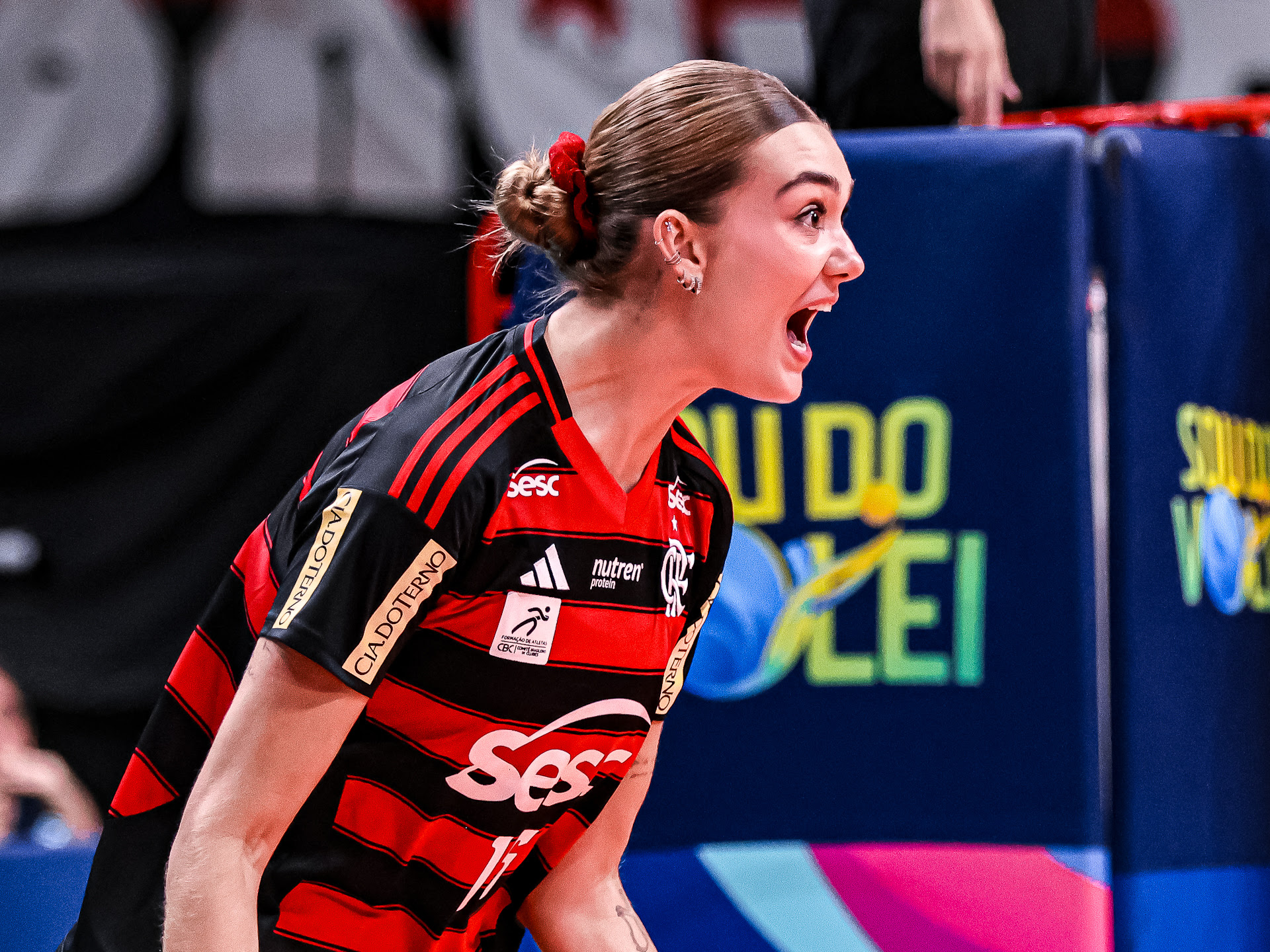
On a night when the Maracanãzinho felt like it was holding its breath, Jogo Hoje witnessed the kind of semifinal you don’t forget: tactical adjustments, pressure volleyball, and a Flamengo comeback built on details. The Flamengo side of Bernardinho turned a 0–2 deficit into a 3–2 win over Dentil Praia Clube, leveling the series and forcing the deciding third match.
The night of the turnaround at Maracanãzinho
With 8,273 fans packed into the arena, a season high for 2025/2026, Flamengo knew the math: win or go home. They dropped the first two sets 23-25 and 22-25, then found themselves in a brutal spot in the tie-break where Praia had the upper hand and, crucially, the momentum.
Set by set, the story snapped from control to chaos and back again. The final score reads 3 sets to 2, with parciais of 23-25, 22-25, 25-22, 25-20 and 16-14. Praia were not just close, they were cooking. They even held four match points in the tie-break. Yet, Flamengo kept grinding, kept rotating, and kept finding a cleaner path from serve and defense into offense.
What Bernardinho changed to trigger the reaction
This wasn’t luck. It was coaching decisions translated into on-court habits. When you’re chasing a series after losing in Uberlândia, you don’t need a miracle—you need a plan that survives pressure.
Bernardinho’s adjustments showed up in three places that matter when the rally count climbs: the rotation discipline, the way the backcourt absorbed contact, and the tempo the setter could impose. Once Flamengo steadied the fundamentals, the match stopped being about Praia’s comfort zone and started being about Flamengo’s ability to disrupt serve-receive and keep the ball in playable zones.
The turning point wasn’t just that Flamengo scored more points. It’s that their defense gave the lifter—especially after the changes—to distribute more efficiently to the pins. When your outside options get volume and your backcourt reads the ball faster, the whole offensive rhythm changes. That’s exactly what happened in the final two sets and then again in the tie-break.
Individual flashes behind the rubro-negro surge
Yes, the crowd helped. But volleyball is still volleyball: someone has to win the reps. Masa Kirov led the comeback with 16 points, while Simone Lee was Praia’s top scorer with 21 kills. The difference is that Flamengo’s scoring didn’t hinge on one player alone—it spread across the rotation at the moment the pressure got loud.
- Masa Kirov: 16 points and the kind of calm finishing you need when you’re one slip away from elimination.
- Simone Lee: 21 points for Praia, keeping the match dangerous even when the tie-break looked out of reach.
- Tainara: 18 points, producing from the attack lanes when Flamengo started controlling the rallies.
- Helena: 18 points, including the late-game execution that turned the momentum into scoreboard swings.
- Vívian and Helena’s involvement: Bernardinho’s tweaks gave the levantadora (setter) cleaner options and the pins more usable sets for the closeouts.
And don’t overlook the backcourt work. Laís—libero and captain—did the unglamorous job that wins big nights: organizing the defense, protecting the midline, and feeding the rally back into the setter’s hands. In a match where Praia had four match points in the tie-break, that backcourt reliability is the difference between a season-ending collapse and a series-tying moment.
How Praia Clube stayed one step from the ticket
Praise to Praia for getting themselves there. After stealing the first two sets, they carried that edge into the tie-break. Four match points—let that sink in—means you’re not just close; you’re basically at the door. Their serve pressure and timing created the kind of problem that forces a chasing side to improvise.
Still, Flamengo’s response exposed a familiar semifinal truth: once the match stretches and the crowd gets louder, teams that rely on one phase start to feel the strain. Praia had their chances, but Flamengo adjusted their serve-receive shape and tightened the defensive reads, pushing the ball back into the places that hurt less.
The final tie-break score of 16-14 doesn’t just tell you “Flamengo won.” It tells you Praia had the control, then lost it in the last exchanges. That’s why this match matters tactically: it’s about how momentum can be manufactured and then stolen back with rotation, distribution, and late defense.
The weight of the home crowd and a new audience record
When 8,273 show up, volleyball becomes a living thing. The record attendance for 2025/2026 wasn’t just a statistic; it was fuel. In a series that already carries the pressure of a semifinal, the crowd turns small mistakes into big swings. And Flamengo—whether by design or instinct—fed off that noise to keep their composure after the 0–2 start.
There’s a reason the Maracanãzinho feels like a fortress in these moments. The fans don’t spike the ball or cover the line, but they do something just as important: they force the pace of the match to match the stakes. Flamengo’s players leaned into that, especially during the tie-break when every point felt like a match point of its own.
Everything that changes for Game 3
Now the series resets to zero. Game 3 is scheduled for 24/04 at 21:00 at the Maracanãzinho, again with SporTV2 and VBTV on the broadcast. And this is where the tactical chess match really starts: Flamengo proved they can survive a bad start, but Praia proved they can threaten early control.
For Flamengo, the question is whether they can reproduce the same quality of rotation and backcourt read under even tighter scrutiny. For Praia, it’s the opposite: how do you convert when you get those match points in the tie-break and the door doesn’t open?
Also, expect the serve plan to evolve. In a match where the tie-break ends 16-14, the margins are microscopic. Whoever wins the battle for serve reception stability and keeps the setter’s tempo consistent—especially in the distribution to the ponteira—is going to turn the “almost” into “done.”
O Veredito Jogo Hoje
Bernardinho didn’t just “change the game”—he changed the process. Flamengo’s comeback was a masterclass in rotation discipline, backcourt organization, and the way a levantadora can unlock a lineup when the pins get volume at the right time. Praia had four match points, but the decisive factor was Flamengo’s ability to keep the rally playable and steal the tie-break moments back. In a semifinal, that’s not luck—it’s competence under siege, and we’re calling it: Game 3 will be decided by whoever wins the last stretch of serve-receive and distribution, not by who gets the loudest crowd.
Perguntas Frequentes
When will Game 3 be played between Sesc RJ Flamengo and Dentil Praia Clube?
Game 3 is on 24/04, at 21:00, at the Maracanãzinho.
Who was the top player in the Maracanãzinho match?
Simone Lee was the top scorer with 21 points, for Dentil Praia Clube.
How many match points did Praia Clube have before Flamengo’s tie-break turnaround?
Praia Clube had four match points in the tie-break before Flamengo completed the comeback.