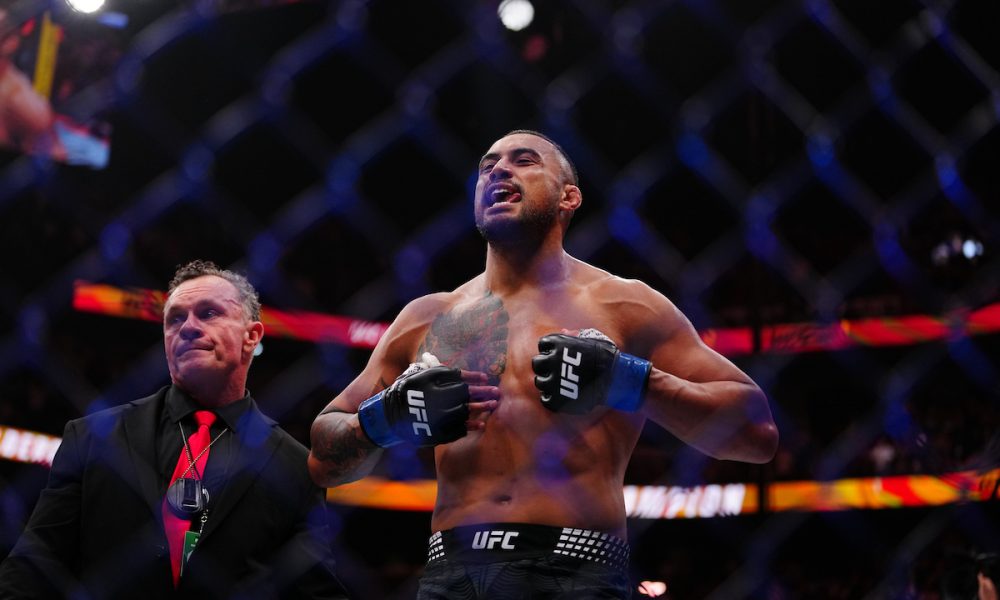
With the light heavyweight (93 kg) vacant belt on the line at UFC 327 on October 11, Carlos Ulberg didn’t just win a title fight. He engineered a tactical win while his base comprometida and lesion no joelho threatened to unravel everything.
And make no mistake, this is the kind of night our portal tracks obsessively, where we turn the fight film into strategy. According to our reporting, the full context and fallout are being covered on the Jogo Hoje beat.
The belt win and the weight of the victory
Let’s frame it properly: Alex Poatan leaving the belt vacant didn’t create an easy handoff. It created a pressure cooker, and Ulberg answered it with a nocaute no primeiro round over Jiri Prochazka. The celebratory headline is deserved, sure, but the real story is how the gestão de distância shifted in the exact moments his knee looked like it could betray him.
Prochazka is the type to punish you for hesitation and to turn your mistakes into momentum. So when Ulberg found the window to strike cleanly despite his limitations, it wasn’t luck. It was structure. It was posture. It was timing.
How the fight unfolded, round by round
The opening phase was a chess game disguised as violence. Ulberg leaned into leg kicks early, attacking the base of the former champion and forcing Prochazka to think about where his weight was landing. That’s classic range control: make the opponent adjust stance, then steal the rhythm back.
Prochazka, for his part, struggled to settle into distance at first. Once he started threading the offense, though, he got his hands working and his confidence followed. A left cross finally landed with authority, and suddenly the bout had that familiar “will it explode?” tension.
Here’s the tactical tell: when Prochazka sensed a physical problem, he invited more trocação franca. That’s not bravado for show. That’s a tactic to deny you the luxury of picking your shots. If your opponent is compromised, you try to turn the fight into a phone-booth brawl and see if the legs keep up.
Ulberg didn’t bite at every exchange. He stayed active enough to look dangerous, but calculated enough to avoid unnecessary exposure. That blend is what wins title fights—especially when your base comprometida is screaming for you to slow down.
Then came the decisive moment. Ulberg timed a clean cross, a precise shot with enough torque to flip the outcome instantly. The nocaute no primeiro round wasn’t just a finish; it was the end result of disciplined gestão de distância and patience within aggression.
The knee injury and what it changed
The knee issue wasn’t a background detail. It influenced every decision. You could see it in the way Ulberg managed his posture, how he defended without overcommitting, and how he didn’t chase exchanges when the cost of movement looked too high.
When a fighter has a compromised joint, the danger isn’t only speed—it’s angles. The legs choose the angles for you. So Ulberg’s adjustment was smart: he used kicks to set up his opponent’s discomfort, then relied on timing and positioning to land the finishing shot without needing full, explosive drive.
That’s the difference between “surviving” and winning. He didn’t abandon his plan; he tightened it. And in a world where one bad step can turn a title night into a highlight reel for the wrong guy, that’s a huge coaching win.
What Ulberg’s win changes in the light heavyweight division
This victory doesn’t just crown a champion. It redraws the board. The cinturão vago era is now over, and the division’s future has a new anchor: a champion who can control range, land in the pocket, and still pull the trigger when his knee is under stress.
Strategically, it also raises immediate questions for everyone chasing the throne. Can opponents force more trocação franca to expose the limits of his mobility? Can they repeat the pressure pattern Prochazka tried, without getting caught clean? And if the champion’s movement is compromised, do challengers adjust their wrestling and clinch entries to steal rounds instead of trading?
Even the match-making becomes clearer. Ulberg’s style suggests he’ll punish distance errors and leg targeting setups, so the next contenders likely need a game plan built around denying him his preferred rhythm rather than simply walking him down.
Card highlights and immediate ripple effects
UFC 327 didn’t stop at the main event. Paulo Borrachinha stopped Azamat Murzakanov in the third, while Josh Hokit got a unanimous decision over Curtis Blaydes. Dominick Reyes edged Johnny Walker in a split decision, and there were more momentum swings across the card.
From a division standpoint, those results matter because they feed the matchmaking pipeline. When title fights create champions, the rest of the card decides who gets near-term opportunities—and the rankings start moving fast after a night like this.
- Paulo Borrachinha def. Azamat Murzakanov (KO/TKO, Round 3)
- Josh Hokit def. Curtis Blaydes (Unanimous Decision)
- Dominick Reyes def. Johnny Walker (Split Decision)
- Cub Swanson def. Nate Landwehr (KO/TKO, Round 1)
- Aaron Pico def. Patrício Pitbull (Unanimous Decision)
- Mateusz Gamrot def. Esteban Ribovics (Submission, Round 2)
- Vicente Luque def. Kelvin Gastelum (Submission/KO, Round 1)
For fans, it’s a night to celebrate. For analysts, it’s a night to study. Because Ulberg didn’t just win—he proved a tactical pathway to victory even when the body isn’t fully cooperating.
O Veredito Jogo Hoje
JogoHoje’s verdict is simple: Ulberg’s title is earned, not lucky. The knee issue could have forced a survival fight, but instead he tightened his gestão de distância, kept the opponent guessing, and let the trocação franca invitation expose the moment he needed. That combination—discipline under physical compromise—is what turns a contender into a champion. And with the cinturão vago gone, the light heavyweight ladder just got a lot more dangerous.
Perguntas Frequentes
How did Carlos Ulberg beat Jiri Prochazka at UFC 327?
Ulberg won by nocaute no primeiro round, landing a precise finishing shot after controlling range and managing exchanges effectively.
Did Ulberg suffer an injury during the fight?
Yes. He fought with a lesão no joelho during the bout, and his movement and posture had to be adjusted to compensate.
What changes in the light heavyweight division with this win?
Ulberg becomes the new champion after the cinturão vago at 93 kg, reshaping title contention and forcing challengers to rethink how they pressure and manage range against a tactical champion with a compromised base comprometida.