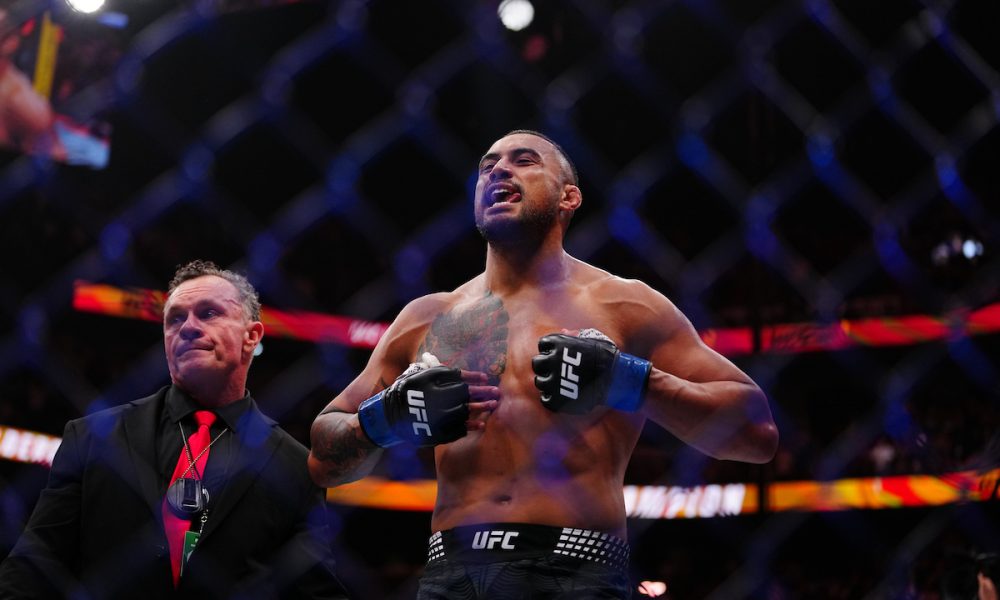
According to Jogo Hoje’s full coverage of UFC 327, the night in question didn’t just crown a champion; it rewired the light heavyweight scene. At UFC 327 on October 11, Carlos Ulberg seized the vacant light heavyweight belt (93 kg) by knocking out Jiri Prochazka in the first round, even while his knee was clearly giving him trouble as the fight unfolded. And that’s the part fans shouldn’t gloss over. The nocaute no primeiro round headline is the spark, but the reading tática is the fire.
A victory that redefined the division
Let’s set the table: the light heavyweight belt was vacant after Alex ‘Poatan’ left the title behind. So this wasn’t merely a championship fight in the usual sense. It was a reset button for a division in ascensão, where styles collide and rankings start behaving like dominoes. Ulberg didn’t just benefit from the moment. He treated it like a problem to solve.
Prochazka brought the usual pressure and aggression, the kind that dares you to blink first. But Ulberg’s approach was the opposite of panic. He made the fight smaller, more mechanical, more controllable. In a division built on highlight reels, that kind of restraint is a statement.
How Ulberg controlled the fight even with a compromised base
The first thing Ulberg did well was attack the legs with intent, not decoration. Early on, he leaned into leg kicks to compromise the base compromised and drain the rhythm of a striker who needs his plant foot to load power. That’s not “just being tough.” That’s reading tática in real time.
Meanwhile, Prochazka spent time searching for distance, and when he did find the range, he landed a left cross that briefly shifted momentum. But even then, you could see the margin Ulberg wanted to live in: short windows, calculated responses, and no unnecessary exchanges where his knee would be forced to pay the price.
Ulberg’s defense wasn’t passive. It was disciplined. He stayed active when it mattered and avoided overexposing himself in moments where the compromised base would be punished. That’s the difference between surviving a tough spot and weaponizing it.
The decisive mistake from Prochazka
Prochazka sensed a possible physical limitation and did what aggressive fighters do when they smell blood: he called for more trocação franca, pushing for the kind of exchange where timing and confidence carry the day. The problem? Ulberg didn’t have to out-brawl a machine. He only had to land the right shot.
At the moment where the aggression should have translated into clean control, Prochazka stepped into a pocket that wasn’t available for long. Ulberg connected a precise cross that flipped the fight instantly. First round. No second guessing. The nocaute no primeiro round wasn’t a fluke; it was the payoff of leg work, distance management, and a tactical read that never lost the plot.
What changes in the light heavyweight title chase after Poatan’s exit
With the cinturão vago now filled, the next moves in the light heavyweight division are going to get loud. Rankings will accelerate, matchmakers will circle, and everyone in the top tier suddenly has a clearer path to a title shot because the champion is a new variable.
Now ask yourself: if Ulberg can impose structure while his knee is compromised, what happens when he’s fully healthy? That’s a terrifying question for the rest of the bracket and a big reason this division in ascensão feels like it’s about to get even more volatile.
Expect the conversation to shift toward matchups that stress legs and base. Expect strikers to rethink their entries against a guy who can turn the fight into a tactical chessboard—then end it like a highlight.
UFC 327 card recap
- Carlos Ulberg defeated Jiri Prochazka by first-round knockout to win the vacant light heavyweight belt.
- Paulo Borrachinha defeated Azamat Murzakanov by third-round knockout.
- Josh Hokit defeated Curtis Blaydes by unanimous decision.
- Dominick Reyes defeated Johnny Walker by split decision.
- Cub Swanson defeated Nate Landwehr by first-round knockout.
- Aaron Pico defeated Patrício Pitbull by unanimous decision.
- Kevin Holland defeated Randy Brown by unanimous decision.
- Mateusz Gamrot defeated Esteban Ribovics by second-round submission.
- Tatiana Suarez defeated Lupita Godinez by second-round submission.
- Chris Padilla and MarQuel Mederos drew.
- Vicente Luque defeated Kelvin Gastelum by first-round submission.
- Charles Radtke defeated Francisco Prado by unanimous decision.
O Veredito Jogo Hoje
Here’s our take: this wasn’t just a “good night” for Ulberg—it was a masterclass in tactical read under duress. While other fighters lean on emotion, Ulberg leaned on structure: leg attacks to break the base, smart avoidance of unnecessary trocação franca, and then a clean, brutal finish when Prochazka tried to force the pace. That combination is exactly how champions get built, and it’s why the light heavyweight division suddenly feels wide open again.
— JogoHoje Editorial Team (Analyst Tático)
Perguntas Frequentes
How did Carlos Ulberg beat Jiri Prochazka at UFC 327?
Ulberg won via first-round knockout, using early leg kicks to compromise the base and waiting for the opening created by his tactical read before landing the decisive cross.
Was Ulberg really injured during the fight?
Yes. Ulberg fought with a knee issue that limited him at points, but he managed the risk through smarter positioning and controlled exchanges rather than chasing reckless striking exchanges.
What does the win change for the light heavyweight division?
It resolves the cinturão vago and installs a new champion in the light heavyweight class, reshaping title-chase matchups and setting up fresh contenders as the division in ascensão recalibrates around Ulberg’s style.