After UFC 327, the heavyweight headlines were about who held the belt. The real shock is what happened to the man wearing it.
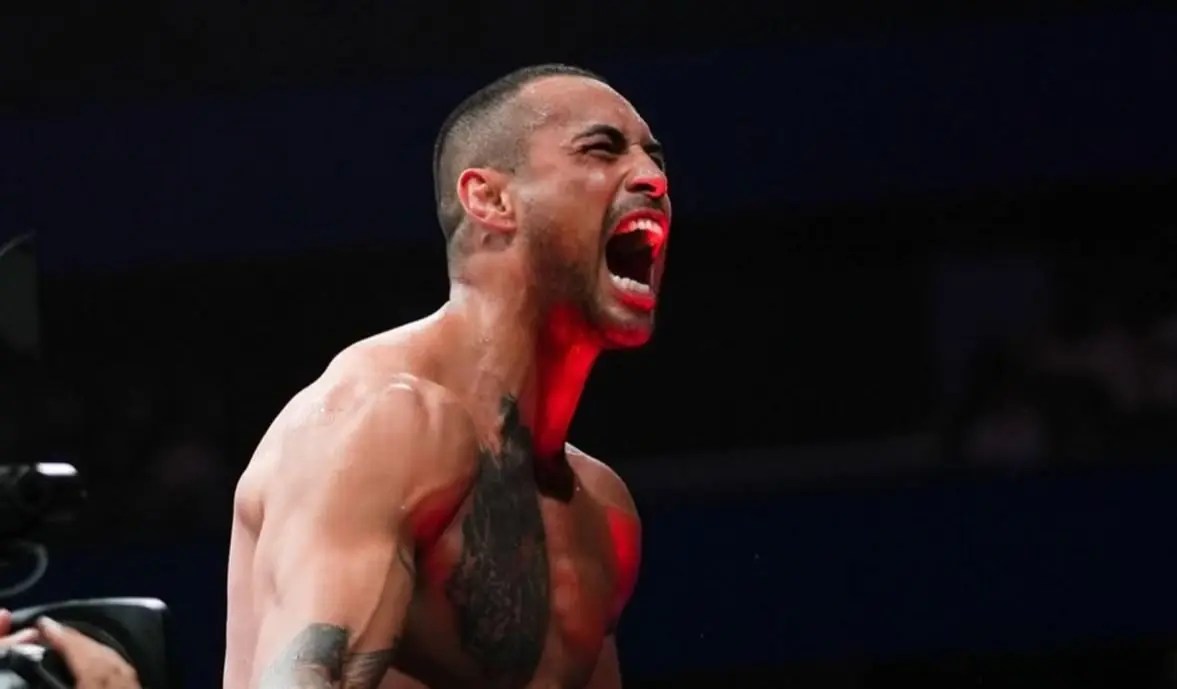
According to Jogo Hoje editorial coverage, Carlos Ulberg went under the knife after his win over Jiri Prochazka, and the medical update is the kind you don’t shrug off: a torn ligamento cruzado anterior (ACL), plus lesão na tíbia and contusão óssea. Urgent? Yes. Because in the fight game, timing is a weapon—and Ulberg just had his schedule yanked out from under him.
What happened to Ulberg after UFC 327
Ulberg faced Jiri Prochazka in the main event of UFC 327. He landed the job and finished the “samurai tcheco” in the cage, winning the divisão dos meio-pesados (up to 93 kg) title. But the body doesn’t care about the scorecard.
Reports tied to UFC 327’s aftermath say Ulberg didn’t just “walk it off.” His knee injury surfaced immediately enough that the next steps were already in motion, with his camp preparing for surgical intervention. And that tells you this wasn’t a minor tweak—it was structural.
The confirmation of surgery and how serious it is
Ulberg’s team confirmed the situation through his representative and wider reporting. His manager, Ash Belcastro, indicated the ACL was torn, and that Ulberg also suffered additional damage: contusão óssea and lesão na tíbia. In other words, he injured more than a single “link” in the chain. When you fight through a torn ACL, you can stress the surrounding surfaces and bone tissue, and that’s exactly what the update suggests.
Ulberg himself marked the moment on Instagram stories, posting that the procedure was completed—“Cirurgia no joelho realizada”. That’s not just a personal milestone. In UFC terms, it’s a calendar reset.
ACL, tibia and bone contusion: what it means in practice
Let’s get technical, because the tactical angle is everything here. The ligamento cruzado anterior stabilizes the knee by limiting excessive translation of the tibia relative to the femur. It also plays a big role in controlling rotation mechanics. Lose that stability, and your base for striking and wrestling takes a hit.
When an athlete needs reconstrução ligamentar, the goal is to restore that stabilization with an ACL graft. But the bone and tibia involvement complicates the return-to-training road. A contusão óssea can linger like a bad memory: it changes how the joint tolerates impact and loads during rehab, especially when you start sprinting, changing levels, and wrestling with resistance.
Here’s the uncomfortable truth: Ulberg didn’t just need time. He needs progression that protects the knee’s mechanics and the tibia’s integrity. Otherwise, he’s not “returning,” he’s gambling.
How long he could be out and what changes in the light heavyweight division
For athletes who undergo surgery, the typical tempo de recuperação is often in the 9 to 12 months range. That’s the ballpark, not a guarantee, but it’s a strong indicator for planning. And planning is the whole game for the UFC brass.
So what changes? Immediately, the divisão dos meio-pesados loses its center of gravity. Defenses don’t schedule themselves. Matchmaking gets reshuffled because champions drive everything: rankings, incentives, and who gets the next shot while the belt sits idle.
And yes, we have to talk about the cinturão interino in the background. When a champion is sidelined for a long rehab window, promotions often lean toward interim solutions to keep momentum. The UFC can’t afford a division that goes cold for a year while contenders spin their wheels.
Repercussion and next steps for the champion
Ulberg says he’s dedicated to returning as soon as possible. That mindset is admirable, but the tactical reality is colder. Knee rehab isn’t only about strength—it’s about rebuilding confidence in footwork, pivots, and the exact angles where ACL stress shows up. When bone contusion and lesão na tíbia are involved, the return can’t be rushed into “fight-ready” without risking setbacks.
From a competitive standpoint, his absence opens doors for the next wave of challengers to push their case. It also changes how opponents approach title fights: if Ulberg returns later, the division’s style and momentum at that time won’t be identical. Who looks sharp when the champion returns? That’s the million-dollar question.
- Expect the UFC to explore interim-title logic if the timeline stretches.
- Expect rankings and matchups to accelerate for the next title-eligible contenders.
- Expect Ulberg’s camp to prioritize ligament stability before high-impact wrestling and explosive change-of-direction work.
O Veredito Jogo Hoje
This isn’t a “small setback,” it’s a tactical derailment. Ulberg’s surgery after UFC 327—and the combo of ligamento cruzado anterior rupture with lesão na tíbia and contusão óssea—turns the light heavyweight picture into a chessboard with missing pieces for months. The UFC can’t wait, contenders can’t pause, and the smart money is on interim-title planning before the division loses its pulse. From a fight IQ standpoint, this is the kind of injury that doesn’t just cost time—it rewrites timing, matchups, and momentum. We’ll see who’s built for that when Ulberg finally gets cleared.
— Analista Tático, JogoHoje
Perguntas Frequentes
What was Carlos Ulberg’s injury after UFC 327?
He suffered a torn ligamento cruzado anterior (ACL), along with lesão na tíbia and contusão óssea, and he has already undergone knee surgery.
How long does a fighter usually stay out after an ACL tear with surgery?
In many operated cases, the tempo de recuperação is commonly estimated around 9 to 12 months, depending on rehab progress and any additional bone or tissue damage.
What changes in the light heavyweight division because of Ulberg’s surgery?
With the champion sidelined, the UFC may need to reshuffle matchups, accelerate contender paths, and potentially consider a cinturão interino to keep the divisão dos meio-pesados moving while Ulberg recovers.