According to our editorial desk, the Jogo Hoje had this one marked the moment the matchup was set: UFC 327 didn’t just deliver finishes, it rewired the light-heavyweight order. And when the cinturão dos meio-pesados gets challenged with that kind of violence, you don’t get to pretend it’s just another night.
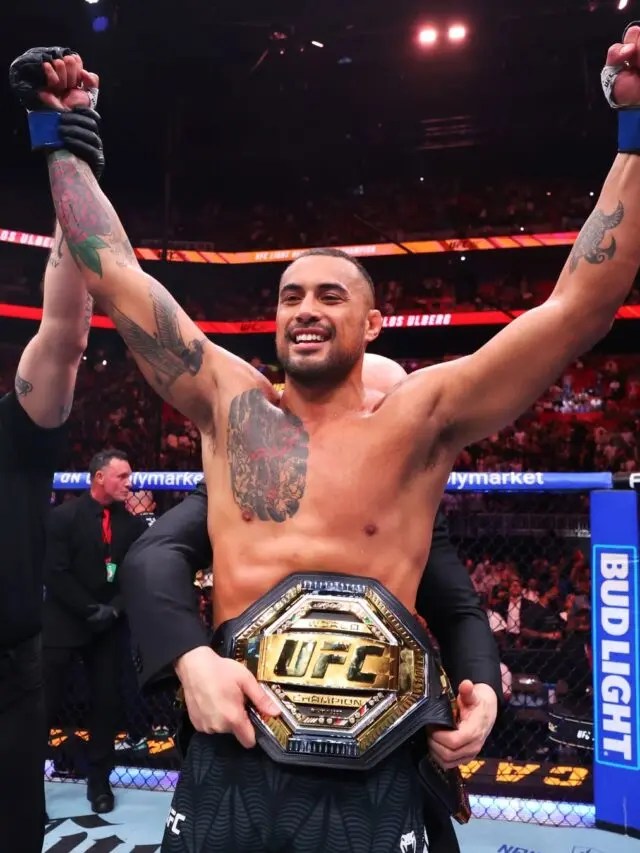
In the card principal, nocaute no primeiro round was the punctuation mark. Carlos Ulberg dropped Jiri Prochazka early, then took the division’s top spot with a statement that forces everyone to recalibrate their scouting reports.
Résumé of the night: who won and what changed at UFC 327
The cleanest way to read UFC 327 is by impact. Ulberg’s Round 1 win didn’t merely top the card, it altered the competitive map of the light-heavyweight division. Around that, the rest of the lineup stacked momentum with high-percentage skills: Borrachinha’s wrestling-to-striking control, Luque’s ruthless finishing, and a run of finalização performances that made the night feel like a highlight reel with actual tactical logic.
- Charles Radtke def. Francisco Prado by unanimous decision.
- Vicente Luque def. Kelvin Gastelum by finalização in Round 1.
- Tatiana Suarez def. Loopy Godinez by finalização in Round 2.
- Mateusz Gamrot def. Esteban Ribovics by finalização in Round 2.
- Kevin Holland def. Randy Brown by unanimous decision.
- Aaron Pico def. Patricio Pitbull by unanimous decision.
- Dominick Reyes def. Johnny Walker by split decision.
- Cub Swanson def. Nate Landwehr by nocaute no primeiro round.
- Josh Hokit def. Curtis Blaydes by unanimous decision.
- Paulo Borrachinha def. Azamat Murzakanov by technical knockout in Round 3.
- Carlos Ulberg def. Jiri Prochazka by nocaute no primeiro round.
Main event breakdown: how Ulberg beat Prochazka and what it means for the belt
Let’s call it what it is: Ulberg’s route to the finish was built for the moment Prochazka’s rhythm got disrupted. When a fight ends with a nocaute no primeiro round, you don’t just get a highlight—you get a message about timing, distance management, and the kind of pressure that makes a veteran feel late to his own decisions.
With that nocaute no primeiro round, Ulberg didn’t simply win a main event. He claimed the cinturão dos meio-pesados and instantly turned the division into a problem for everyone else. Who benefits from that speed and decisiveness? Who can survive the first wave? The questions start immediately, and that’s exactly what a true title change does.
Card highlights: Borrachinha, Luque, Gamrot, Suarez, and Hokit
UFC 327’s depth showed up in how many fights ended via clean leverage and efficient execution.
Paulo Borrachinha turned the co-main event into a control session that eventually detonated. His win over Azamat Murzakanov came via nocaute técnico no terceiro round, a finish that typically signals durability plus the ability to keep advancing even after the opponent adapts. That’s a scary profile for anyone chasing the next title shot.
Vicente Luque made Kelvin Gastelum pay quickly. The finalização in Round 1 wasn’t just “getting it done”—it was about taking away options before Gastelum could fully settle. When fighters are forced to spend their first minutes defending instead of dictating, the finish becomes less a gamble and more an inevitability.
Tatiana Suarez and Mateusz Gamrot both followed with finalização wins. Suarez submitted Loopy Godinez in Round 2, while Gamrot finished Esteban Ribovics in Round 2 as well. Two different divisions, same theme: composure under pressure, then a decisive spike in the exact moment the opponent’s structure opens.
On the decision side, Josh Hokit handled Curtis Blaydes with a calm, technical approach that earned a decisão unânime. Meanwhile, Kevin Holland’s unanimous win over Randy Brown reinforced that “control” still travels—especially when the judges see clean rounds without drama.
Losses that shuffle the landscape: Walker, Blaydes, Pitbull, and Gastelum
Not every storyline is a victory lap. Some losses are the kind you can’t brush off because they change how matchmakers will view risk.
Johnny Walker ran into a tough read against Dominick Reyes, and the result landed as a decisão dividida. That’s the sort of call that keeps a rivalry debate alive and also keeps both camps in motion. If you’re Walker, you’ll point to moments—if you’re Reyes, you’ll point to control. Either way, the next step won’t be quiet.
Curtis Blaydes absorbed a decisão unânime loss to Hokit, and that matters because Blaydes is typically tied to power expectations. A unanimous setback changes the lane: the next opponent might be less about “can he hurt you,” and more about “can he stop you from getting set.”
Patricio Pitbull came up short against Aaron Pico via decisão unânime. For Pitbull, that kind of outcome is a reminder that staying competitive at elite pace requires more than heart—it requires repeatable rounds.
And then there’s Kelvin Gastelum, who fell to Luque by finalização in Round 1. When the fight is decided early, the scouting conclusions are harsh: something about defense and entry timing got exploited. That’s not a moral victory situation—it’s a tactical homework assignment.
What comes next: next steps for the winners
UFC 327 isn’t just a recap; it’s a matchmaking blueprint. Ulberg now sits at the top with a finish that demands immediate relevance. Borrachinha, with his co-luta principal output and nocaute técnico result, has the kind of win that earns conversations. Luque’s Round 1 finalização keeps him in the fast lane, and Suarez and Gamrot both look like they’re building momentum through execution, not spectacle.
So what’s the real question? Who has the skill set to slow Ulberg’s early threat without sacrificing the ability to score? And if you can’t, how do you even plan the first three minutes? The division’s next chapter starts with answers to those problems.
O Veredito Jogo Hoje
UFC 327 will be remembered for one thing first: Ulberg’s early finish that doesn’t just “win a fight,” it grabs the cinturão dos meio-pesados by force. But the card’s real edge is how the rest of the night matched that intensity with finalização, decisions that made sense, and a co-main that showed Borrachinha can turn pressure into a nocaute técnico. That’s not luck. That’s a statement night, and the lightweight? Sorry—the light-heavyweight ecosystem just got tougher overnight. Assinado, com leitura tática e respeito pelos detalhes.
Perguntas Frequentes
Who won the main event of UFC 327?
Carlos Ulberg defeated Jiri Prochazka by nocaute no primeiro round to take control of the light-heavyweight title picture.
Paulo Borrachinha won against who at UFC 327?
Paulo Borrachinha defeated Azamat Murzakanov by nocaute técnico no terceiro round in the co-luta principal.
What were the main submission finishes on the card?
Vicente Luque submitted Kelvin Gastelum in Round 1, Tatiana Suarez submitted Loopy Godinez in Round 2, and Mateusz Gamrot submitted Esteban Ribovics in Round 2.