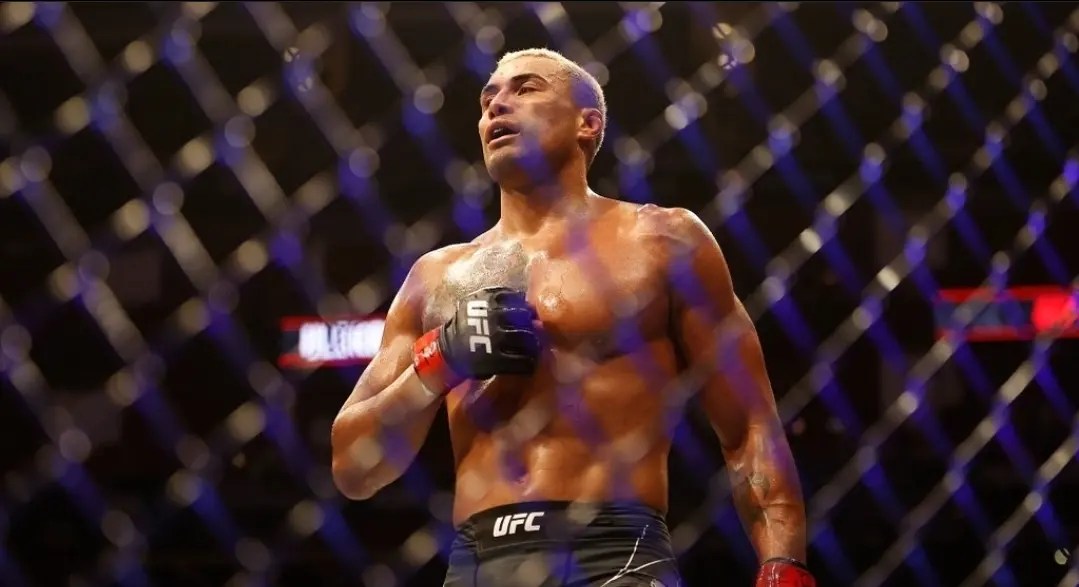
In the aftermath of UFC 327, the new face of the light heavyweight division isn’t just talking about the moment the belt changed hands. According to Jogo Hoje’s post-fight take, Carlos Ulberg’s comments about Jiri Prochazka went straight for the gut of competitive ethics and the mental discipline you need when the stakes are a title shot dispute and a cinturão dos meio-pesados on the line.
Ulberg believes Prochazka had a window after injuring his leg, hesitated, and effectively left the door open at the worst possible time. And if you’re asking whether that’s “just sportsmanship,” Ulberg’s answer is loud and clear.
Ulberg’s declaration right after the fight
Ulberg didn’t dress it up. In the post-event press setting, the champion framed the pivotal sequence as a tactical failure rather than a tragic accident. He essentially argued that when you’re chasing a belt, you don’t negotiate with the moment—you harvest it.
His message was blunt: “Eu não faria o mesmo”—in his words, he would not have made the same call as Prochazka when the situation demanded urgency. That’s not trash talk for its own sake; it’s a worldview. A champion mindset, in Ulberg’s book, is built on reading the opportunity fast and pulling the trigger.
The leg injury and the hesitation in the octagon
The fight’s turning point came after Prochazka’s lesão na perna—a moment that changed the rhythm, the angles, and the threat profile. Once the Samurai Tcheco’s mobility was compromised, the fight became less about “who’s tougher” and more about “who’s sharper in the scramble of seconds.”
Ulberg’s critique lands on one detail: the hesitação no octógono. Instead of pressing immediately, Prochazka reportedly held back, later saying he felt compassion for Ulberg. From a tactical standpoint, that’s where the wheels come off—not because empathy is evil, but because MMA isn’t a charity event when there’s a belt to win.
Ulberg capitalized decisively, landing the nocaute no primeiro round at 3min45s—a reminder that the highest-level game punishes delays. In a division where timing is everything, hesitation can turn a near-miss into a full-on title loss.
Why this criticism shakes the belt narrative
This is more than a post-fight quote. It feeds the narrative race for legitimacy: what kind of champion are you? The belt is earned through execution, but it’s also shaped by perception—how fans interpret decisions when the opponent is compromised.
When Ulberg talks about leitura de oportunidade, he’s describing the exact mental switch a contender must flip: if you see the legs going, you don’t wait for “permission” from your conscience. You attack the problem before it recovers. That’s the cold logic of the cage.
And yes, it also sparks debate about competitive ethics. But let’s be real: the scoring doesn’t reward “good intentions.” It rewards control, damage, and outcomes. The champion’s job is to close the chapter—fast.
What the loss changes for the light heavyweight division
Prochazka’s road in the division doesn’t end overnight, but the way this played out complicates everything. A title fight is a story you write with risk and timing. By hesitating after the lesão na perna, Prochazka potentially surrendered the cleanest disputa de title shot path he had.
For Ulberg, the win doesn’t just crown him—it sets a standard. A champion who talks like this signals that future opponents will face a different kind of pressure: less “respect,” more ruthless capitalization on openings.
- Reading the moment becomes the headline skill people will associate with Ulberg’s reign.
- Mentalidade de campeão is now part of the public script, not just private work.
- In the rankings shuffle, Prochazka’s next step likely turns into a test of recovery and decision-making under duress.
Meanwhile, the UFC 327 card delivered plenty of other proof that momentum and precision decide everything—from Borrachinha’s performance to Gamrot’s submission and Tatiana Suarez’s finish, plus Vicente Luque turning the lights out early. The division is not waiting for anyone to “feel it out.”
Repercussion and next moves for Ulberg and Prochazka
Ulberg will enjoy the spotlight—but with it comes the responsibility of consistency. If he truly believes that champions do what’s necessary, then his next defenses can’t be built on half measures. Fans will look for whether his tactical aggression matches his words.
Prochazka, on the other hand, has a harder assignment: explain the decision, move past the emotion, and show he can convert injury windows into finishes the next time they appear. Because in the UFC, “almost” rarely earns a second chance.
And the division will watch closely. A single sequence—one hesitação no octógono after a lesão na perna—can rewrite careers. That’s the harsh truth of a sport where the clock keeps running even when your opponent’s leg doesn’t.
O Veredito Jogo Hoje
Ulberg is right on the chessboard, even if the internet tries to romanticize the moment Prochazka didn’t pounce. In a title fight, compassion doesn’t score; execution does. Ulberg’s take is the most valuable kind of criticism because it’s actionable: when you see the legs fail, you attack the opening—no delays, no negotiations. That’s how you build a reign, not just a highlight reel.
Perguntas Frequentes
What Carlos Ulberg said about Jiri Prochazka’s attitude in UFC 327?
Ulberg criticized Prochazka’s hesitation after the lesão na perna, saying he wouldn’t have acted the same way. He framed it as a decision that cost him the fight, emphasizing the need for a mentalidade de campeão to secure victory.
Why did Prochazka’s hesitation become such a big topic after the fight?
Because the hesitation happened right after a clear injury moment, turning the sequence into a debate about hesitação no octógono, leitura de oportunidade, and whether a fighter should prioritize finishing over showing cinturão dos meio-pesados-level urgency during a title chase.
What does this victory change in the light heavyweight division?
It crowns Ulberg as the new light heavyweight champion and reshapes the expectations around his reign: champions are expected to capitalize immediately on openings. For Prochazka, it also complicates his path toward another disputa de title shot after a fight decided by a nocaute no primeiro round at 3:45.