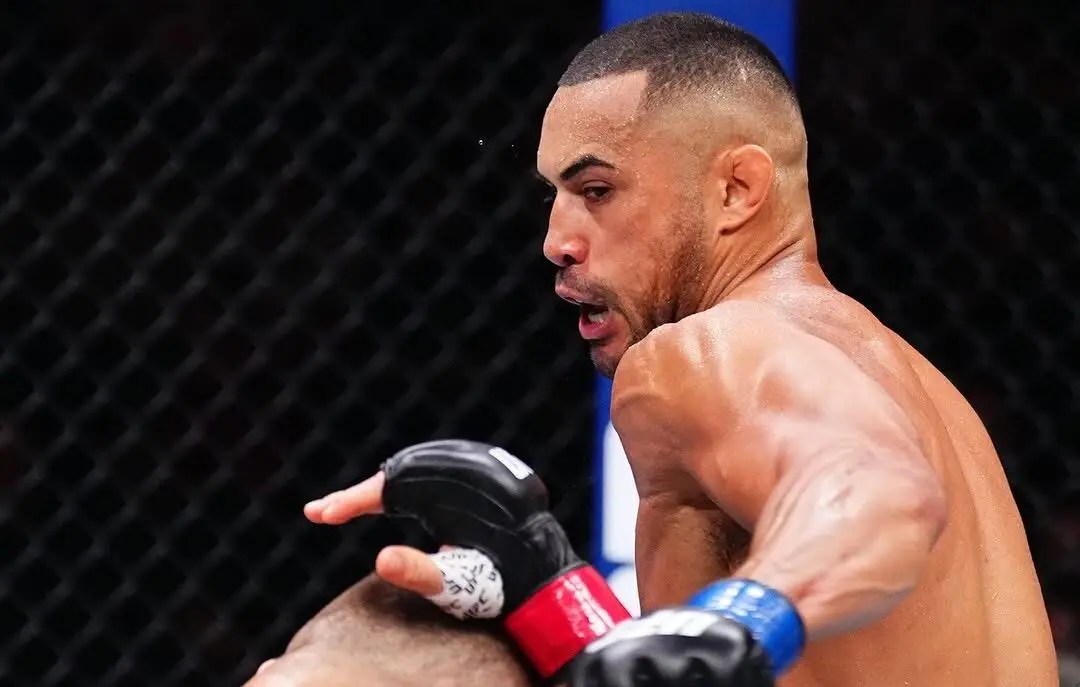
According to Jogo Hoje editorial sources, Carlos Ulberg didn’t just win the belt at UFC 327—he won it with the kind of finish that makes highlight reels, then immediately sparked a different kind of headline. The loud left hand that put Jiri Prochazka down at 3:45 of Round 1 also came with a knee twist that looked, to medical eyes, like a classic structural problem rather than a simple sprain.
So yes, the champion is real. But the clock is ticking too.
The win that arrived with a scare
Ulberg captured the light heavyweight title (up to 92.9 kg) in a dramatic main event on Saturday (11). He ate the danger, tried to load a kick with the knee under torque, then turned the fight late in the round—landing a left cross to finish Prochazka and snatch the belt.
Here’s the part that changes how fans remember the moment: the celebration didn’t look clean. Ulberg left the cage with visible signs that the knee took a hit serious enough to raise alarm bells, not just for soreness, but for something that can rewrite an athlete’s mechanics.
What the doctor saw in Ulberg’s knee
Brian Sutterer, a sports physician and medical content creator, described the injury as consistent with a rupture of the ligamento cruzado anterior, the ACL. His read focused on the “sequence” of movement: what the tíbia (tibia) did during the twist, and what happened immediately after as the leg reacted.
Sutterer’s key point was simple and brutal: the tibia shifts forward when the ACL is torn, then the calf shows that telltale rippling as the tibia returns abruptly. That pattern—forward displacement followed by a sudden recoil—maps closely to the biomechanics clinicians look for when estabilidade articular (joint stability) is compromised.
Why the movement points to a possible ACL rupture
In combat sports, we often talk about “timing” and “angles,” but injuries are also geometry. When a fighter plants a foot and the body rotates around it, the knee becomes a pivot under load. That’s where an ACL rupture tends to show up—no need for a clean, direct collision. The moment the foot is fixed and the body changes direction, the knee is forced into joelho em rotação (knee rotation) with the wrong kind of stress.
From a tactical standpoint, the mechanism matches common ACL scenarios: a sudden cut, a rapid deceleration, a landing that doesn’t absorb force properly, or hyperextension. Ulberg’s attempted kick and the subsequent torquing of the knee fit that “planted foot plus rotational torque” template.
And when the ACL goes, it’s not just pain—it’s a loss of control. The ligament’s job is to limit excessive tibial movement relative to the femur and help manage rotation. Without it, athletes can feel the knee “giving way,” and the immediate response is often fast swelling—inchaço agudo—that arrives like a timer starting the moment the structure fails.
How long recovery could take
If this diagnosis holds, the recovery timeline isn’t quick-fix territory. For athletes who need surgery, the usual path is reconstrução ligamentar (ligament reconstruction) using an enxerto (graft). That route is typically measured in months, not weeks.
For ACL reconstructions, a realistic estimate is 9 to 12 months for a full return to competition-level intensity. Even then, the “return” isn’t just about being able to spar—it’s about rebuilding strength, restoring movement quality, and earning back the confidence that the knee won’t betray you at the worst possible moment.
What the injury changes for the new champion
Let’s be honest: winning a title is the easy part. Defending it—while managing knee risk—is a different sport inside the sport.
Ulberg’s next training block will likely have to be built around joint stability and controllable ranges of motion. If his knee lacks estabilidade articular, his stance width, kick chambering, and even how he plants his lead foot on entries could change. In a division where timing is everything, a small mechanical compromise can show up as slower load, later weight transfer, and worse angles on counters.
And that’s why this isn’t just medical news. It’s tactical news. The champion’s style has to adapt, or the injury will. That’s the cold truth.
O Veredito Jogo Hoje
Ulberg’s belt is the headline—but the knee is the plot twist that decides the season. If the ACL rupture suspicion is accurate, this victory gets a different aftertaste: a highlight finish now, a stability battle later. The new champion can’t afford “fight through it” heroics; he needs the reconstruction path, the graft plan, and the kind of rehab discipline that turns chaos back into mechanics. At this level, the cage doesn’t care about motivation—only about stability.
Signed, Analista Tático — JogoHoje.esp.br
Perguntas Frequentes
Qual é a lesão que Carlos Ulberg pode ter sofrido?
Based on the medical read, the injury is consistent with a rupture of the ligamento cruzado anterior (ACL). The described signs focus on tíbia shifting forward during a twist, followed by a sudden recoil pattern with visible calf rippling, suggesting loss of estabilidade articular.
Quanto tempo um atleta leva para se recuperar de ruptura do LCA?
For ACL reconstruction cases using an enxerto, a common return-to-competition estimate is 9 to 12 months. The exact timeline varies based on surgical outcome, rehab response, and readiness tests for strength and stability.
Como essa lesão pode afetar a próxima defesa de cinturão?
If Ulberg needs reconstrução ligamentar, the defense timeline may shift due to recovery and conditioning. Even after medical clearance, his kick mechanics, foot planting, and ability to rotate safely under pressure can change—so opponents may target entries and planted-foot exchanges that expose instability.