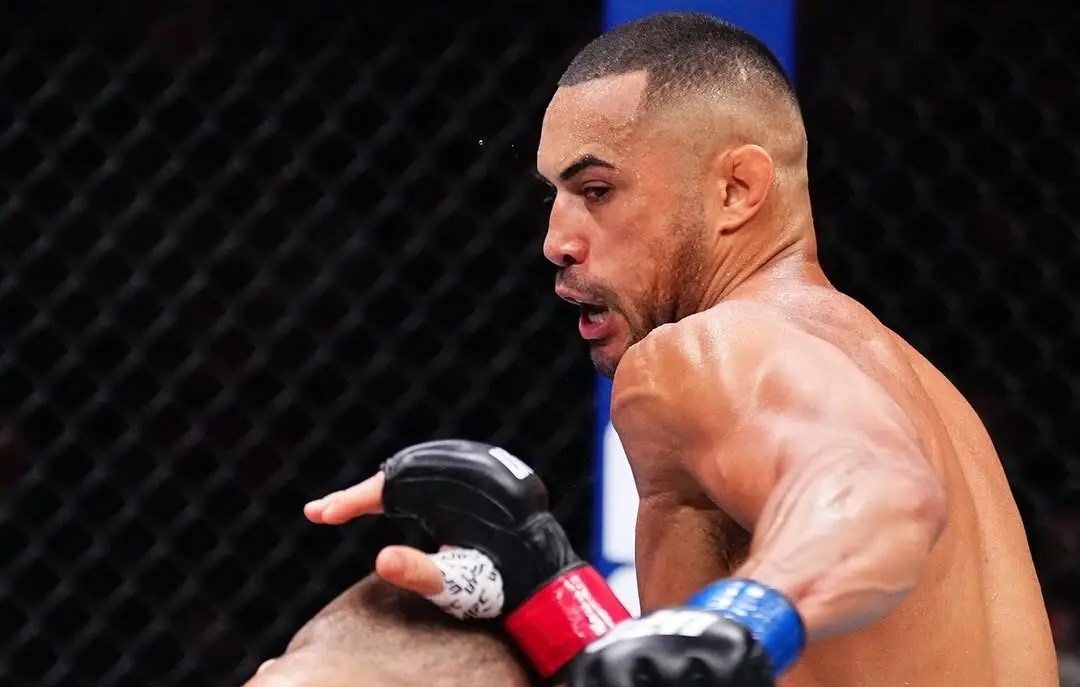
UFC 327 delivered the kind of night that makes fight fans hold their breath. Carlos Ulberg won the light heavyweight title against Jiri Prochazka on Saturday (11), landing a left cross to finish the fight at 3:45 of Round 1. The belt was the headline. The knee was the emergency.
According to a sports physician analysis by Brian Sutterer, the movement Ulberg showed after a knee torque during the fight is compatible with an anterior cruciate ligament injury. It’s the sort of moment that turns a “statement win” into a long tactical question mark for the division. And for those tracking the UFC grind, our post-event coverage has been laser-focused on what this means for matchups and momentum, Jogo Hoje.
What happened in the UFC 327 main event
Ulberg and Prochazka didn’t just trade shots, they traded timing. The finish came when Ulberg managed to get his left cross rolling through at the end of the first round, catching Prochazka clean and turning the night into a highlight reel. But even in victory, the camera didn’t lie: Ulberg’s reactions around the knee after the torque attempt carried a different kind of story than the one inside the scorecards.
From a tactical standpoint, you don’t need medical credentials to know that the knee is the base layer for everything in a striking-heavy matchup: stance width, weight transfer, and the ability to pivot on command. If that base layer wobbles, the whole game plan changes.
Why Ulberg’s knee image raised concerns
Sutterer’s read centers on the sequence of joint mechanics during the twist. The key idea is how the tibia behaves relative to the femur when the ligamento cruzado anterior is compromised. In his explanation, the tibia shifts forward when the ACL is torn, and then the calf shows rippling when the tibia returns abruptly. It’s the kind of pattern that points toward loss of estabilidade articular, especially during high-torque moments.
In fight terms, that’s the scary part: a knee that can’t lock into rotation control can cost you balance mid-entry, turn your footwork from sharp to hesitant, and force you to fight “half a step behind.” When you’re the champion, that half-step isn’t just personal. It becomes division-wide.
What is an ACL injury and how it happens
An anterior cruciate ligament injury is one of the most common orthopedic problems among athletes, particularly in situations involving sudden direction changes and rotational stress. The ligamento cruzado anterior is crucial for stabilizing the knee by limiting excessive translation of the tibia relative to the femur, and it plays a major role in controlling rotational forces.
ACL injuries often occur without direct contact. Typical triggers include:
- Changes in direction with the foot planted
- Rapid deceleration and awkward landing mechanics
- Hyperextension moments that load the joint beyond its usual range
- Rotational torque, like the kind that can happen when the body tries to “save” a kick or pivot
When the ligament fails, athletes may report a distinct pop, intense pain, fast swelling, and an immediate sense that the knee is unstable, as if it’s going to give way. That instability is exactly what hurts performance under UFC-level pressure.
If surgery is needed, the plan is usually reconstrução ligamentar using graft tissue. Depending on the case, the reconstruction may use an enxerto autólogo, meaning the graft comes from the patient’s own tissue, which is often part of the discussion for high-demand athletes.
How long can a champion be out if the ACL rupture is confirmed
Here’s the hard truth: if the diagnosis confirms an ACL rupture and the athlete undergoes surgery, the timeline for return is typically measured in months, not weeks. For athletes who require reconstrução ligamentar, complete recovery can take between 9 and 12 months.
That range isn’t arbitrary. It reflects the reality that you’re not just “healed enough to train.” You’re building back estabilidade articular, restoring strength, and re-learning cutting and rotational control without the knee policing every movement. In a sport where timing is everything, losing a full training cycle can be brutal.
What this ACL injury changes in the light heavyweight division
Ulberg’s win at UFC 327 is the belt story. But the knee is the tournament story. If he’s sidelined for much of a year, the light heavyweight picture becomes an ecosystem of opportunists.
Tactically, an ACL recovery changes style. Even when fighters return, they often adjust:
- Less aggressive pivoting if confidence in rotation control isn’t fully restored
- More cautious entries because knee torque during the strike changes the risk calculus
- Footwork that prioritizes stability over angles, especially early in the comeback
That means the champion’s “threat profile” shrinks. The division notices. Contenders start planning around a champion who might not be able to explode off the lead leg the same way. And if Ulberg’s grappling defense or takedown sprawls are affected by knee mechanics, the game plans of upcoming opponents get easier to write and harder to defend.
Also, the calendar doesn’t pause. Interim title talk, mandatory defenses, and the mental weight of rehab all collide. One knee injury doesn’t just change Ulberg’s next fight. It changes who gets to build momentum while the champion is rebuilding ligamento cruzado anterior function under the spotlight.
O Veredito Jogo Hoje
Ulberg won the belt, sure, but the knee makes this UFC 327 result feel like a victory with a countdown clock attached. As an analyst, I’m not buying the “just fight through it” narrative—ACL mechanics don’t care about courage. If the ligamento cruzado anterior is truly ruptured, Ulberg’s next challenge won’t be Prochazka’s level of pressure in the octagon, it will be restoring real estabilidade articular so his tíbia and body can rotate without fear. The belt stays, but the division moves, and contenders smell it immediately. This is the kind of scenario where the champion’s reign turns into a tactical reroute—and the middle of the light heavyweight bracket becomes the real battlefield.
Perguntas Frequentes
Carlos Ulberg can have torn his ACL?
Yes. A sports physician analysis points to a pattern consistent with an ACL rupture, especially the described tibia shift and the aftermath seen around the knee during rotation. Only a full orthopedic evaluation and imaging can confirm the diagnosis, but the signs are medically concerning.
How long does ACL recovery take?
If the ACL rupture requires surgery with reconstrução ligamentar and an enxerto autólogo or similar graft approach, a typical full return timeline is around 9 to 12 months, depending on rehab response, strength restoration, and return-to-sport testing.
What happens to the belt if the champion is out for months?
The division adjusts fast: fight scheduling, mandatory contenders, and interim title discussions often come into play. Practically, the champion’s absence can open the door for high-stakes matchups that determine who becomes the next true threat while Ulberg focuses on restoring knee stability.