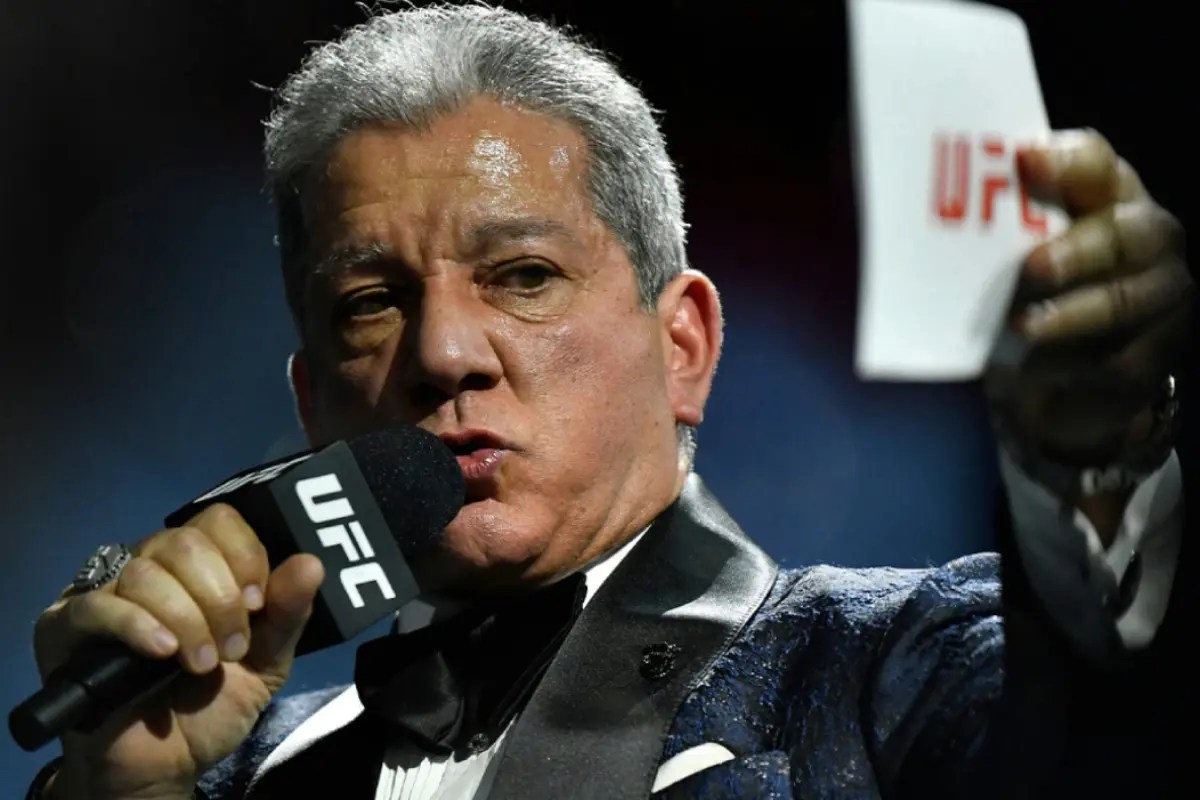
Fans watching Jogo Hoje’s UFC 327 coverage were hit with one of those “wait, what?” moments that makes a sport look sloppy. At UFC 327, a result that was first announced as a decisão majoritária for Chris Padilla against Marquel Mederos was corrected minutes later to an empate majoritário. And if you’re wondering why the reaction turned nasty, the timeline is the story: the correction came more than half an hour after the fight, after an initial live announcement that carried real weight for everyone in the arena, on the couch, and yes, in the betting markets.
What happened at UFC 327
The fight in question landed on the card preliminar of UFC 327, in the lightweight division (up to 70.3 kg). Padilla was initially told he’d won by a decisão majoritária, the kind of outcome that usually closes the debate fast. But the real plot twist arrived when Padilla later learned in the back that the bout had been scored as a empate majoritário instead.
That isn’t just a change in wording. This is the sport’s scoreboard being rewritten mid-stream. When the scorecards and the public-facing anúncio oficial don’t line up, you don’t get “clarification.” You get confusion, then anger. Fast.
How Padilla’s result was announced, then corrected
Here’s the operational problem, explained in plain tactical terms. A live result announcement is only as good as the reading of the judges’ tallies. In this case, the UFC broadcast and/or official communications initially reflected a decisão majoritária—meaning the placar dos juízes (judges’ panel) was being interpreted as favoring Padilla. But the correction later stated that the bout should be a empate majoritário.
In other words, the published conclusion didn’t match the underlying scoring. The correction was made more than 30 minutes after the fight, once the discrepancy was identified and the erro de pontuação was acknowledged. That’s a meaningful delay, especially when the initial call had already traveled through the arena and the internet.
Why the confusion amplified fan outrage on social media
Social media doesn’t forgive uncertainty. It multiplies it. You could feel the frustration in real time because fans weren’t reacting to a close fight alone—they were reacting to a failed translation of the judges’ work into a public result.
One thing is a tight round-by-round debate. Another thing is being told, live, that a fighter won—then being corrected after the fact. That’s where the outrage turns from “controversial fight” into “system failure.” And when the correction comes with the language of misreading or scoring errors, it creates a credibility gap that’s hard to patch.
Let’s be blunt: bettors don’t care about intentions, only outcomes. If the initial anúncio oficial doesn’t match the eventual verdict, the damage isn’t theoretical. It’s immediate.
The recent precedent that worsened the credibility crisis
This controversy didn’t land in a vacuum. Two weeks earlier, a similar pattern showed up: Tyrell Fortune was announced as losing to Marcyn Tybura by decision, and then—seconds later—the result was corrected. That earlier incident matters because it turns what could be “one-off chaos” into a perceived operational trend.
From a tactical-operations standpoint, repeated issues in score reading and result communication suggest a process problem, not a one-time human slip. And once fans start connecting dots, the sport’s authority takes a hit.
Majority decision vs majority draw: understand the difference
To make this crystal clear, here’s the difference as it relates to the placar dos juízes and the final verdict.
- Decisão majoritária: two judges score the fight for one fighter, and the third judge scores it a draw. The winner is declared.
- Empate majoritário: two judges score it as a draw, while the third judge scores for one fighter. The official result is a draw, not a win.
So when the UFC first announced a decisão majoritária but later corrected to an empate majoritário, the underlying scorecards interpretation shifted in a way that changes the conclusion from “Padilla wins” to “no winner.” That’s exactly why this landed like a punch to the credibility.
What the case reveals about UFC operations
As an analyst, I don’t pretend judging is perfect. Close fights happen, rounds get debated, and we all know that. But there’s a line between contested scoring and a failure in how results are read, processed, and delivered. This case sits on the wrong side of that line because the public-facing result was wrong first, then corrected later.
When an erro de pontuação involves the operational chain from judges’ tally to broadcast anúncio oficial, it raises hard questions:
- How was the live result produced if it didn’t match the final tally?
- What checks exist between the judges’ work and the public anúncio oficial?
- Why did it take over half an hour to lock the correct outcome?
The uncomfortable truth is that transparency requires not just correcting mistakes, but preventing them from repeating—especially after a similar incident surfaced just weeks earlier.
O Veredito Jogo Hoje
Here’s my take, no padding: a corrected verdict can be the right call, sure. But when the UFC’s reading of the scorecards forces fans to relive the same confusion twice in a short span, it stops being “learning on the fly” and starts looking like a recurring operational weakness. The correction might land, yet the trust damage lingers—and in combat sports, trust is part of the scoring equation.
Perguntas Frequentes
What happened in the fight between Chris Padilla and Marquel Mederos?
Padilla’s bout was initially announced as a decisão majoritária (majority decision) win for him, but it was later corrected to an empate majoritário (majority draw) after the fight’s result was rechecked. It took more than half an hour for the correction to be finalized.
Why did the UFC correct the result after the live announcement?
The correction came because an erro de pontuação related to how the judges’ tallies were read and communicated was identified. The initial public-facing anúncio oficial didn’t match the final, official outcome based on the placar dos juízes and the scorecards.
What’s the difference between a majority decision and a majority draw?
A decisão majoritária means two judges score for one fighter and the third scores a draw, resulting in a winner. An empate majoritário means two judges score the fight as a draw and the third favors one fighter, resulting in an official draw rather than a win.