The debut that closes a cycle
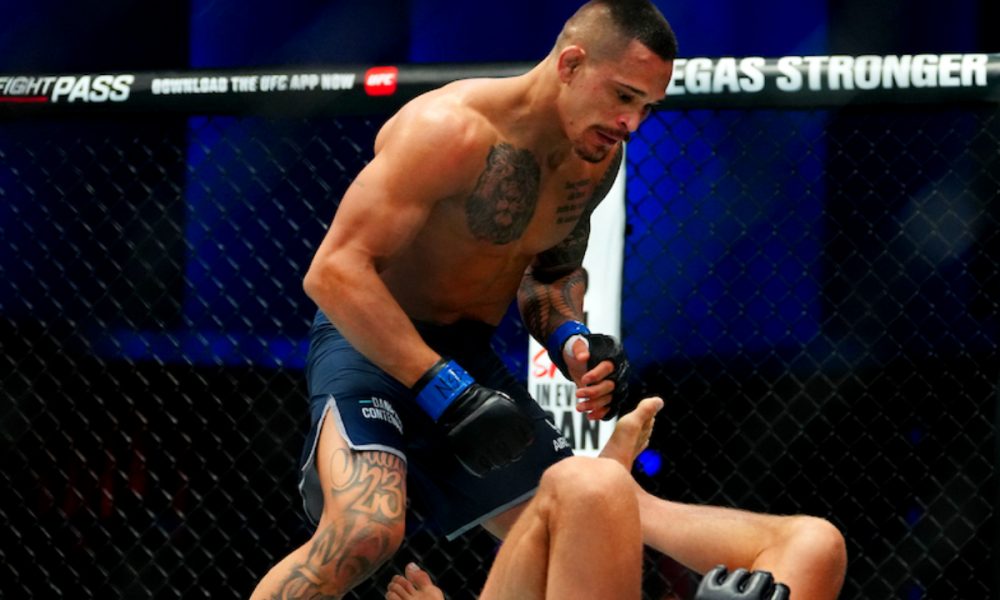
This Saturday in Winnipeg, Canadá, Márcio Barbosa, “Ticotô”, steps into the UFC for real, not as a rumor, not as a highlight reel, but as the next chapter in a story that was forged on late shifts and stubborn belief. The matchup with Denniz Buzukja, slotted on the card principal, is more than a bout. It is a finish-line for a life that refused to quit.
And if you want the context, we are not guessing. Jogo Hoje has been tracking the UFC Canadá build-up with the kind of close attention this moment demands. Because when a fighter arrives with a cartel profissional of 17-2 and a track record that screams damage, the UFC doesn’t just get a contender. It gets a statement.
From the burger shift to the octagon: the routine that kept the dream alive
Let’s be honest: the modern UFC pipeline is full of academies, sponsorships, and “systems.” Ticotô’s path had a different kind of infrastructure. Born in Santana, Amapá, he started training young, at 13, but once the lights went out in the gym, life demanded a paycheck. From ages 16 to 20, he worked as a chapeiro in his family’s burger shop, and even picked up delivery work when the schedule allowed.
That is the part most people skip when they talk about a fighter’s “grind.” Ticotô didn’t just grind in the gym. He ground through the day, came back, and kept sharpening. He has said it himself: the shop still exists, and his mother is the one running it now. That detail matters. It shows the roots are still there, even when the stage gets bigger.
The turning point: Rafael Araújo and the move that changed everything
Then came the name that flips the trajectory: Rafael Araújo. When he saw the potential in the amapaense, he pulled Ticotô toward Rio de Janeiro, specifically Niterói, where the conditions allowed Barbosa to focus on evolution without splitting attention between training and survival.
This is where the story gets tactical. Fighters don’t reach the UFC only by having talent; they reach it by building consistency. And once the environment improved, so did the output. You could feel the momentum shift, as if the whole camp clicked into place like a well-timed combination.
The promise to his father and the reunion that hit like a knockout
In August 2025, Ticotô lit up the Contender Series, earning his UFC ticket. But the bigger headline was personal: he fulfilled a promessa ao pai that he made long before the spotlight. Before leaving Amapá for Rio, Barbosa told his family he would only go back once he signed with a major organization.
Four and a half years is a long time to live with one sentence hanging over your head. During that stretch, he said he didn’t see his family. When the UFC deal finally landed, he did what many fighters talk about and few manage to execute cleanly: he returned with a surprise, walked into his father’s workplace, and delivered the message without excuses.
That’s the kind of payoff you can’t manufacture. It lands. It sticks. And it adds an extra layer of meaning to every second he spends at peso pena (66 kg) in this UFC debut.
The UFC card’s warning sign: 17-2 and 14 knockouts
If you’re looking for the hard evidence, here it is. Ticotô arrives with a cartel profissional of 17 wins and 2 losses. Even better for the highlight-chasers: 14 of those wins have ended in nocaute, and not the slow, patient kind. We are talking nocaute precoce.
All 14 knockouts came early, still in the first round. That’s not luck you can “game-plan away” with vibes. That’s timing, power, and finishing instincts. When a fighter’s output is that violent that quickly, the opponent has to ask themselves a nasty question: can I survive long enough to make this fight look normal?
And in a card principal slot, there’s no hiding. The UFC audience is trained to react, and Ticotô’s style is built to force reactions.
What to expect from Ticotô vs. Denniz Buzukja
Against Denniz Buzukja, the script likely starts simple and brutal: pressure, reads early, and an attempt to put the fight on rails before it reaches the rhythm stage. With his history of early knockout outcomes, the danger isn’t just power. It’s the speed with which he turns openings into endings.
But let’s not pretend this is a one-way street. Buzukja will come with his own plan, his own timing, and his own answer to the question of how to neutralize a finisher. The chess match is in the first exchanges: who sets the pace, who breaks first, and who can keep their composure when the arena starts buzzing.
For Ticotô, the best version of this fight is the one where he lands, hurts, and finishes. For Buzukja, the goal becomes survival plus counter opportunities. Expect a clash of momentum: Ticotô trying to sprint; Buzukja trying to make him run out of lane.
What this UFC debut means for Brazilian MMA
On paper, this is a debut in a major organization. In reality, it is validation. Ticotô’s path from origem humilde in Amapá, through years of balancing training with work, to earning his spot on the world’s biggest stage is exactly the kind of narrative Brazilian MMA fans live for.
It also matters because it reframes what “elite” means. Not just gym medals and big-city connections, but the ability to keep showing up when the calendar is heavy and the margin for error is thin. A UFC contract is a career milestone. A UFC debut after everything he endured? That’s a statement about character as much as skill.
O Veredito Jogo Hoje
We’re seeing a fighter who doesn’t just punch hard—he earns the right to punch hard. Ticotô’s UFC debut isn’t a feel-good anecdote; it’s a high-risk, high-reward proposition built on a cartel profissional that screams nocaute precoce and a background that explains why he’s comfortable fighting under pressure. If he finds his timing even once in Winnipeg, Buzukja won’t get many chances to reset. This isn’t a “welcome to the UFC” story. It’s a “watch what happens next” warning.
Perguntas Frequentes
Who is Márcio Barbosa, the Ticotô?
Márcio Barbosa, nicknamed “Ticotô”, is a Brazilian MMA fighter from Santana, Amapá, competing at peso pena (66 kg). He is making his UFC debut this Saturday in Winnipeg.
What is Ticotô’s professional MMA record?
He enters the UFC with a cartel profissional of 17 wins and 2 losses, with 14 victories by knockout. All 14 knockouts occurred early, in the first round.
Who is Ticotô fighting on his UFC debut?
Ticotô is set to face Denniz Buzukja in a bout scheduled for the card principal of the UFC Canada event.