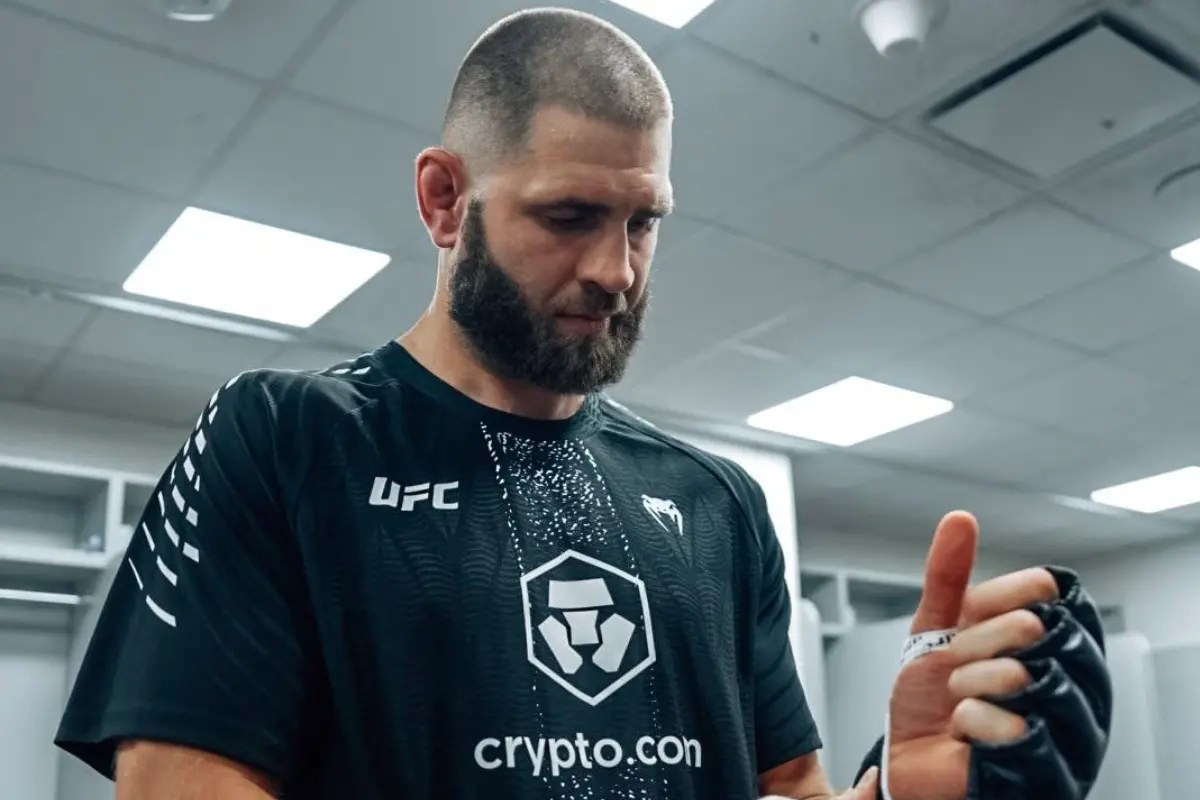
According to Jogo Hoje, Jiri Prochazka didn’t just lose at UFC 327 in Miami (EUA) on April 11, 2026, he also left a philosophical breadcrumb trail in the aftermath. Knocked out by Carlos Ulberg in the nocaute no primeiro round at 3min45s of R1 for the cinturão meio-pesado, the Czech now claims he can’t make sense of one of his own decisions—and he wants the fight back immediately.
That’s the tragedy and the noise in one package. In the octagon, you’re judged by outcomes. But Prochazka’s message drags ethics, instinct, and title-chasing psychology into the same sentence.
Immediate reaction from Prochazka on social media
Prochazka went to Instagram and X to process what happened, admitting he’s still “on the ropes” mentally after the finish. His wording wasn’t clinical. It was raw. He said he was offering “big apologies,” and then he named the moment that, in his eyes, decided everything: his own revanche imediata request wasn’t just about revenge—it was about correcting a mistake he believes he handed the champion.
And then came the line that fans and rivals couldn’t stop repeating: he called it his “stupid mercy.” Not a joke. Not a marketing phrase. A self-indictment.
The fight moment: Ulberg’s knee injury, Prochazka’s mistake, and the knockout
Let’s rewind the tape to the cause-and-effect chain. Ulberg entered the exchange with a lesão no joelho that showed up during the fight. Prochazka, sensing an opening, still chose a path that—according to his own reflection—wasn’t ruthless enough.
Ulberg didn’t fold. He found space, landed a damaging cross, and dropped Prochazka. From there, the sequence turned into a one-way demolition: follow-up shots on the ground, then the stoppage. The result was brutal and fast, the kind of nocaute no primeiro round that ends conversations before they can even begin.
- Event: UFC 327
- Location: Miami (EUA)
- Date: 11 de abril de 2026
- Finish: knockout at 3min45s do R1
- Title: light heavyweight belt up to 92.9 kg/93 kg
Prochazka’s own admission ties the bow: he believes his decision-making wasn’t sharp when it mattered most—when you’re chasing a corrida pelo título and the game is reduced to fractions of a second.
Why the “stupid mercy” line hit so hard
Here’s the thing: fans love knockouts, but they also love the debate around what kind of champion you are. Prochazka basically asked the question for everyone watching: what’s the line between postura competitiva and overthinking under pressure?
“Mercy” is a loaded word in combat sports. It can sound noble, but Prochazka framed it as costly. That’s why the phrase traveled faster than the highlight reel. It turned a single decision into an argument about identity: fighter as athlete versus fighter as opportunist.
In a sport built on execution, ethics becomes tactical. Do you press the advantage when the opponent is hurt, or do you gamble on positioning and timing? Prochazka says he gambled—and the scoreboard punished him.
The weight of the loss on the light heavyweight title chase
At light heavyweight, the margins are thin and the power is loud. Ulberg taking the belt by knockout means the division’s hierarchy has shifted, and Prochazka’s stumble doesn’t just hurt pride—it affects the divisão dos meio-pesados map for months.
Prochazka is now a former champion forced to re-enter the queue with a public narrative attached: he believes the fight was winnable, if only he’d been more decisive about Ulberg’s lesão no joelho. That’s not just self-talk. It’s a pitch for the next chapter, a claim that a corrected approach could restore order.
Meanwhile, the belt holder gets something priceless: legitimacy through dominance. Even if Ulberg’s injury complicates the storyline, the champion’s job is to finish. And he did—clean, fast, and at the one moment no one can take back.
Rival reactions and the road Prochazka must take for a rematch
Once Prochazka called for an immediate rematch, the division’s social ecosystem started moving. Fighters don’t just watch fights—they watch how champions and contenders speak afterward. That’s where leverage forms.
If you’re a contender like Magomed Ankalaev, you’re asking yourself: does this open a lane for me to jump the line, or does it lock Prochazka into a guaranteed shot? If you’re Dana White’s ecosystem, you’re asking: does the audience want the story to repeat, or does it want new matchups with fresh stakes?
Prochazka’s best argument is also his most dangerous one. If he’s right that his postura competitiva decision cost him, then the next fight becomes a “lesson learned” scenario. But if the division reads it as excuses dressed up as reflection, then the door to the belt fight could narrow.
Either way, the request for revanche imediata is clear: Prochazka wants to turn apology into momentum, and momentum back into championship oxygen.
O Veredito Jogo Hoje
We’ve seen fighters say a lot of things after losses, but Prochazka didn’t sell comfort—he sold accountability, and that’s rare in a sport that rewards angles more than honesty. The “stupid mercy” line may sound like drama, yet it’s also a reminder that elite MMA isn’t only about toughness; it’s about ruthless timing when the opponent is compromised. If the UFC gives him a fast rematch, it won’t be charity—it’ll be because the storyline demands a correction. In this sport, ethics gets tested in real time, and tonight Prochazka failed the test—now he’s asking to retake it.
Perguntas Frequentes
What did Jiri Prochazka say after losing to Carlos Ulberg?
He said he was still processing the defeat, apologized for his performance, admitted he made an error during the fight, referred to his moment as “stupid mercy,” and asked for an immediate rematch because he believes the fight was his to win.
Was Carlos Ulberg injured during the UFC 327 fight?
Yes. During the bout, Ulberg suffered a knee injury, which Prochazka later pointed to as a factor that he didn’t capitalize on correctly.
Can Prochazka still request a rematch for the light heavyweight belt?
He requested an immediate rematch publicly. Whether the UFC grants it depends on the division’s matchmaking and title picture, but his call is explicit and aimed directly at the belt holder.