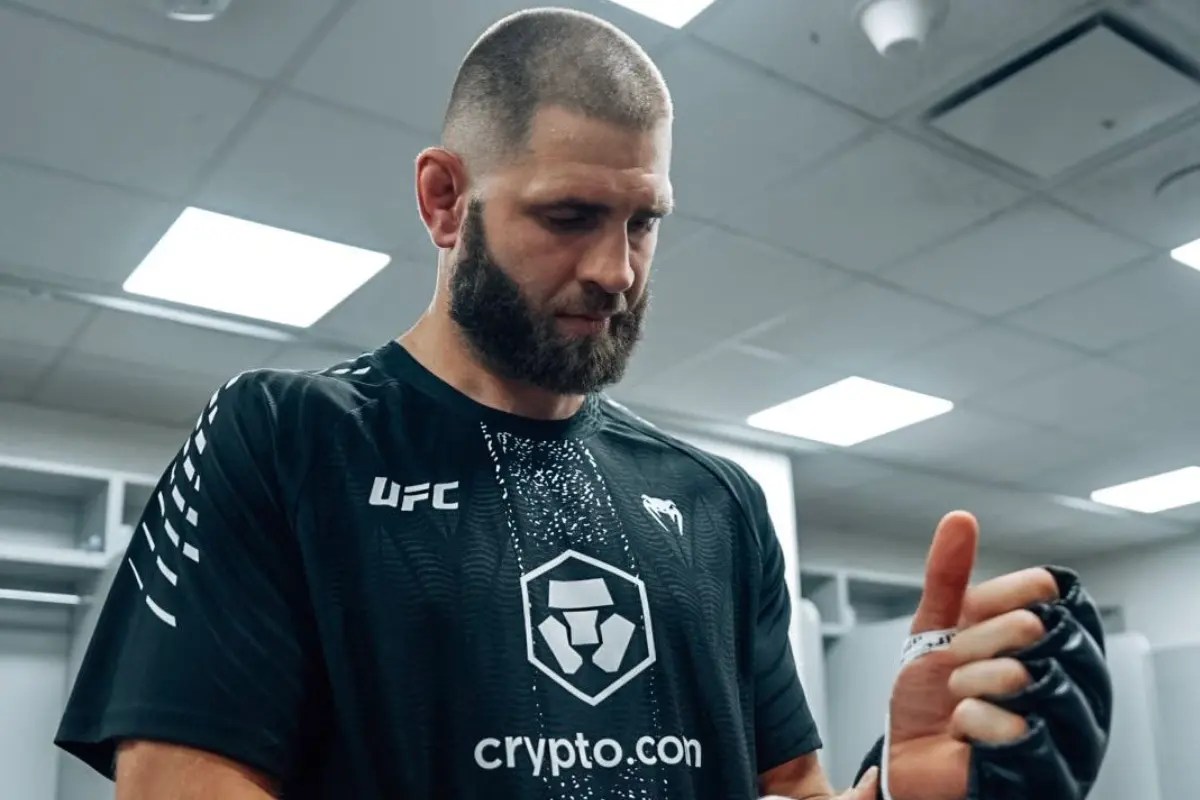
Jogo Hoje has covered the full fallout from UFC 327, but the headline moment still belongs to Jiri Prochazka. After being knocked out by Carlos Ulberg in Miami (USA) on 11 April 2026, the former light heavyweight champion didn’t just take the loss quietly. He went straight to social media, admitted he made a mistake, and asked for an immediate rematch. That’s not just emotion. That’s a tactical stance—and it’s exactly why the story turned controversial.
Prochazka’s reaction after the loss
Prochazka said he was still processing the defeat, calling the KO moment his “stupid mercy” in the fight—an ugly phrase, but a revealing one. In his words, he felt he had handed Ulberg the opening when he shouldn’t have. Then came the other half of the message: he wanted the fight back on his terms, immediately, because he believes the bout belonged to him until one moment flipped the momentum.
Now, let’s be honest: every fighter sounds brave after a loss. But Prochazka’s wording is different. He didn’t frame it as bad luck or fate. He framed it as a decision. And in MMA, decisions are where titles are won and belts are lost—especially at peso meio-pesado, where the margin for error is razor-thin.
The key moment: Ulberg’s knee injury and the opening that wasn’t taken
The tactical context matters. During the fight, Ulberg suffered a lesão no joelho. That’s the kind of injury that can change everything: stance, plant foot timing, and the ability to generate power on follow-up strikes. Yet Ulberg kept moving forward—no panic, no retreat—and found the space to land a damaging counter.
What Prochazka is implicitly arguing is this: if the opponent’s base is compromised, you hunt the breath, the balance, the second step. You pressure the leg. You force the fighter to choose between defending and escaping. Instead, Prochazka ended up giving Ulberg a chance to turn the fight into a scramble that favored violence over control—an outcome that, in my view, is the exact tactical failure he’s trying to own.
How the knockout changed the light heavyweight belt
Ulberg finished Prochazka in the round inicial. The official time was 3min45s of R1, with a knockout via punch. In other words: there was no slow burn, no championship chess match. It was a sudden, brutal swing of the pendulum.
And because the belt is tied to performance under pressure, the category’s narrative shifted fast. Ulberg didn’t just win a fight—he claimed the cinturão vago and turned a single moment into a title statement. That’s why the fight’s ending keeps echoing: the stoppage came after a sequência de ground and pound that followed a cross that put Prochazka down, and once he was on the mat, Ulberg made the moment count.
There’s a reason fans obsess over first-round finishes at light heavyweight: when the KO happens early, it compresses the entire game plan into one question—did you respect the opponent’s last-ditch threat after you sensed an injury?
Prochazka’s immediate rematch request—and what it means for the division
Prochazka’s demand for revanche imediata isn’t just about ego. It’s about timing, leverage, and the story the division will tell next. When a champion changes in a single nocaute técnico-adjacent moment of chaos, everyone starts asking the same thing: who earned it, and who got clipped by one decision?
Prochazka’s approach is interesting because he’s walking a tightrope. He admits error, but he also frames the loss as something that shouldn’t define his body of work. That’s classic championship psychology: take responsibility, but keep the door open for a rematch that allows you to correct the tactical mistake.
But here’s the hard part. A rematch immediately can be a trap. Fighters evolve from losses, yes—but sometimes they also double down on what they think was wrong, and that’s how you get caught again. Do we really believe the same injury narrative will play out exactly the same way? Or does the rematch become a new fight with new risks?
Other UFC 327 reactions that widened the controversy
The post-fight conversation didn’t stay inside Prochazka’s comments. Ulberg’s camp and broader voices used the moment to push their own angles. Ulberg criticized Prochazka’s compassion—suggesting that the former champion’s mindset may have been too generous after sensing vulnerability. Meanwhile, Magomed Ankalaev attacked the credibility of the Czech, turning the debate away from purely tactical execution and toward legitimacy.
That’s where the controversy feeds itself: once fans and fighters start questioning “merit” and “opportunism,” the conversation stops being about one technique and becomes about the sport’s ethics. And that’s why Prochazka’s phrase “stupid mercy” has landed with such force. It’s not just self-criticism. It’s a spark for a bigger debate.
O Veredito Jogo Hoje
From a tactical lens, Prochazka’s best move wasn’t the apology—it was the admission that his choice made the door for Ulberg. A knee injury can be a real lesão no joelho advantage, but only if you turn the advantage into control, not into a moment of “maybe it’s fine.” Ulberg didn’t win because the universe felt kind; he won because he smelled hesitation and converted it into a first-round KO, then cashed in with the sequência de ground and pound. If Prochazka truly believes the fight was his, an immediate rematch isn’t entitlement—it’s a correction. But let’s not pretend the belt came from luck; it came from the exact tactical gap Prochazka is now trying to close.
Signed: JogoHoje Editorial Staff
Perguntas Frequentes
What did Jiri Prochazka say after losing to Carlos Ulberg?
He said he was still processing the defeat, called the knockout moment his “stupid mercy,” apologized for his performance, admitted a mistake during the fight, and asked for an immediate rematch because he felt he had the fight until he gave Ulberg the opening.
How did Carlos Ulberg defeat Jiri Prochazka at UFC 327?
Ulberg won by knockout via punch in the round inicial, at 3min45s of R1, after catching Prochazka with a cross, taking him down, and finishing with a sequência de ground and pound.
Can Prochazka get an immediate rematch?
He’s publicly asking for it, but an immediate rematch depends on UFC scheduling, division priorities, and how the promotion frames the title picture after Ulberg’s win. If the UFC wants to settle the debate fast, Prochazka’s case is already on the table.