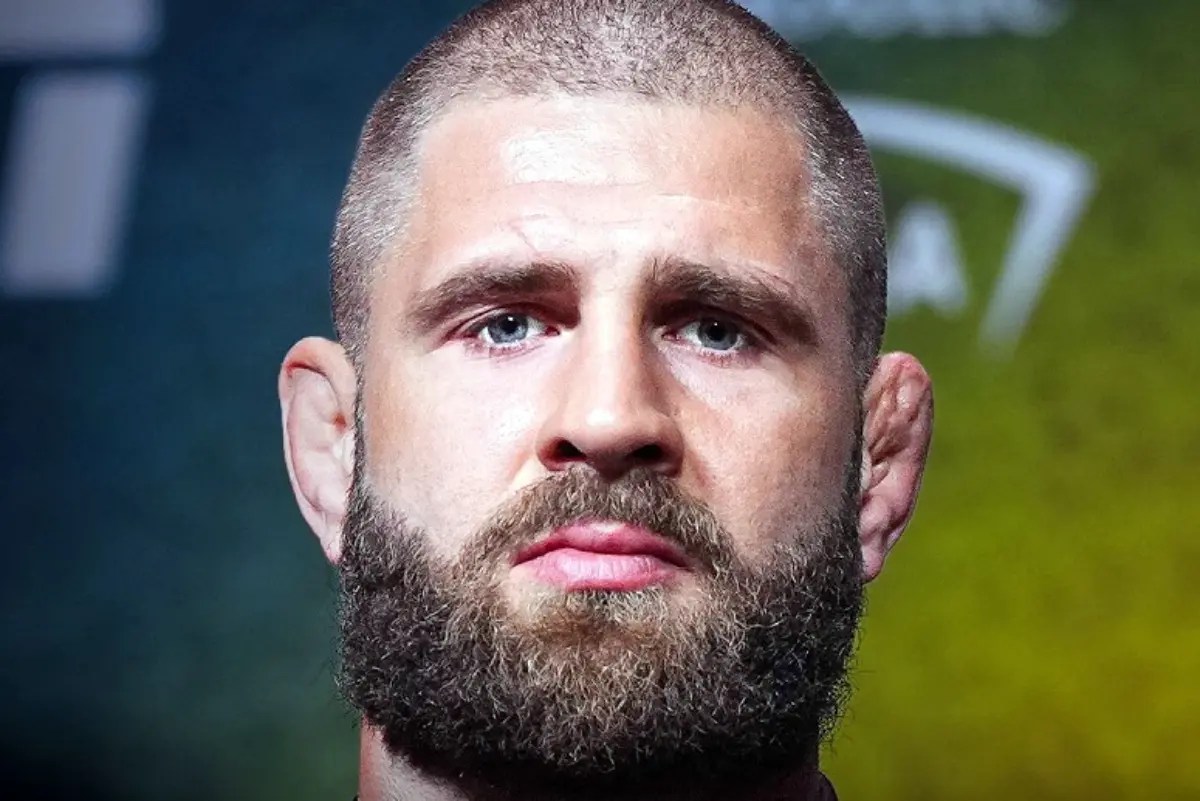
Jogo Hoje is tracking the biggest UFC ripples in real time, and this one lands like a gut punch: Jiri Prochazka has admitted he got it wrong in his loss to Carlos Ulberg at UFC 327, and he’s not hiding behind bad luck. In Miami on April 11, 2026, the ex-champion was stopped by first-round knockout at 3min45s, and the way he processed it feels less like damage control and more like a self-interrogation.
The fall in Miami and Prochazka’s immediate reaction
Prochazka took the loss on the chin, but he also took the responsibility on his shoulders. The fight was for the vacant light heavyweight title in the light heavyweight weight class (up to 93 kg), and Ulberg’s power did what it does best: a knee injury narrative, a well-timed left cross, the takedown, then a sequence of strikes that ended the night fast.
Still, Prochazka’s message wasn’t about “what if.” It was about a moment inside the octagon where he believes he softened—where he showed autocrítica in its rawest form. In a post published on X (formerly Twitter), he said he displayed “mercy” at the wrong time, and he’s determined to excise that tendency before he steps back into the cage.
That’s the part that hits deepest. Because when you talk like that after a nocaute no primeiro round, you’re not just describing a mistake—you’re describing a philosophy that must evolve.
What he meant by “mercy” inside the octagon
“Mercy” is a loaded word in combat sports. It can mean hesitation. It can mean letting distance reset. It can mean not pulling the trigger when the opponent gives you that narrow window to end the chapter. Prochazka’s wording suggests he recognized the opening, but didn’t take the full cut—didn’t eliminate the danger with the ruthless clarity that elite fighters live by.
And then comes the existential kicker: if the road to being the best includes that kind of decision, he will accept it. In other words, he’s drawing a line between being human and being effective.
He even framed it like self-destruction of a bad habit: a reconstrução mental that starts with admitting the “mercy” instinct doesn’t belong when the fight demands brutality. The question is simple, and it’s one we ask ourselves as fight fans every time a champion gets clipped: was the body willing, but the mind holding back?
Prochazka’s answer is yes—and he wants that part gone.
How the defeat reshapes his future in the light heavyweight division
This loss doesn’t just remove a belt from the conversation; it scrambles the corrida pelo título and forces the ex-champion to rebuild credibility the hard way. In the peso meio-pesado landscape, momentum is oxygen. One brutal night can erase months of momentum, and opponents start rewriting their scouting reports immediately.
Ulberg now holds the vacant belt after seizing the moment, and Prochazka has to respond with more than quotes and remorse. He needs a clear plan for how his striking entries, his takedown defense, and his decision-making under pressure look different next time.
Because the division is watching. The hierarchy is being redrawn around who can turn a single opening into a full demolition. If Prochazka wants back into that top tier, he has to show that his postura no octógono won’t drift into “mercy” when the lights are brightest.
A reading of the division after Carlos Ulberg’s win
Let’s be honest: after a title-level performance like Ulberg’s, the hierarchy in the light heavyweight division gets sharper, not softer. The message from Miami is that the vacant belt doesn’t reward comfort—it rewards execution.
Ulberg didn’t win by outthinking for 25 minutes. He won by landing the right shot at the right time and then unloading the damage once the fight tipped. That’s why this result matters for everyone in the bracket: it raises the standard for what “taking control” actually looks like.
So where does that leave Prochazka? In a position that demands a complete reset: reconstruction mindset, technical adjustments, and the kind of aggressive patience that doesn’t fade when the opponent survives the first exchange.
And yes, rivals will circle that vulnerability. Whether you’re looking at Magomed Ankalaev or Paulo Borrachinha, you can almost hear the coaching staff asking: “Where did his focus slip?”
The next step: technical, mental, and positioning reconstruction
Prochazka’s own words point toward the kind of work that matters most right now. Not just training harder, but training cleaner—removing the internal brakes that allow “mercy” to creep into high-stakes moments.
From a fight IQ standpoint, his next chapter likely revolves around three pillars:
- Reconstruction mental: building a trigger-based mindset where recognition leads to action, not hesitation.
- Posture in the octagon: tightening the decision tree so the fight doesn’t drift into moments where the opponent can counter with leverage.
- Corrida pelo título planning: choosing return fights that sharpen the exact skills that failed under title pressure.
That’s the philosophical part—but it’s also the practical part. Because the cage doesn’t care how sincere your apology is. It only cares what you do when the opening appears.
O Veredito Jogo Hoje
Prochazka’s confession is the kind of real autocrítica that fans respect, but the truth is harsher: in a peso meio-pesado division built on violence and precision, remorse alone doesn’t earn a rematch. If he truly wants to eliminate “mercy,” he must prove it in the next octagon appearance—by finishing moments earlier, by staying ruthless under pressure, and by showing that his posture no octógono won’t bend when the opponent loads a counter. That’s how a fallen ex-champion turns narrative into momentum. Anything less becomes just another speech.
Perguntas Frequentes
What did Jiri Prochazka say after losing to Carlos Ulberg?
He admitted he made the wrong choices in the fight, posted his autocrítica publicly on X, and said he needs to remove “mercy” from his approach before returning to the octagon.
Why did Prochazka talk about eliminating “mercy”?
Because he believes he softened or lost focus at a critical moment, allowing Ulberg to land the decisive sequence. For him, “mercy” represents hesitation or the wrong decision-making under title pressure.
What does this defeat mean for Prochazka’s future in the UFC?
It complicates his path in the light heavyweight picture by putting his corrida pelo título on pause. To get back into title contention, he needs reconstruction mental, technical corrections, and a sharper posture in the octagon next time.