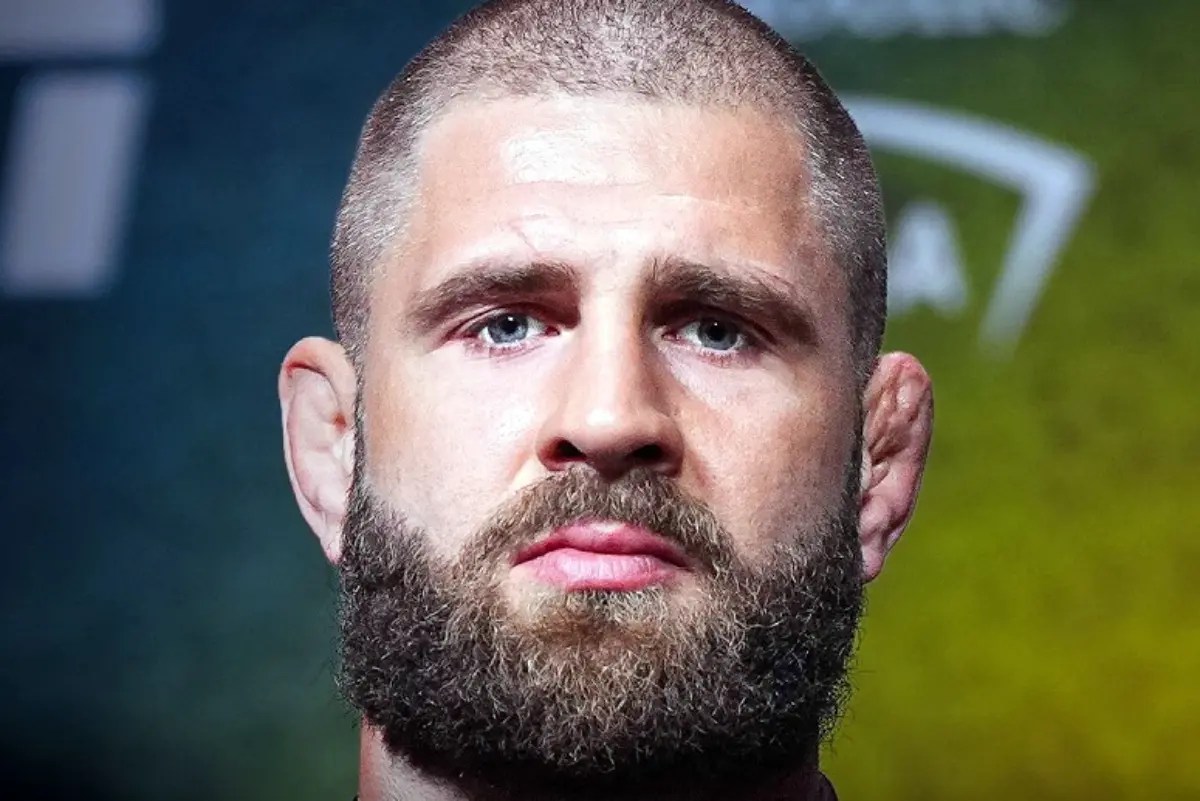
Jiri Prochazka didn’t hide behind “what ifs.” After getting stopped by Carlos Ulberg at UFC 327, the Czech fighter went straight to the one thing that matters in combat sports: the decision-making that led to the finish. And yeah, he owned it.
By 3:45 of Round 1, Ulberg’s right hand and follow-up work turned the fight into a highlight for the new era. The title at stake was the vacant light heavyweight strap—a division where margins are microscopic and one wrong beat can cost your entire corrida pelo cinturão. In the wake of the event, we’ve covered the full run-down of UFC 327—and if you want the bigger picture, the Jogo Hoje homepage has the context stitched together.
What Prochazka said after the loss
On X, Prochazka framed his defeat with a blunt, self-aware tone. He acknowledged that he showed “mercy” at the wrong time, and that he needs to erase that part of his game before the next camp.
He also pointed to the reality of the moment: Ulberg still found the opening even after a knee injury during the fight. That’s the kind of resilience that punishes anyone who loses focus or drifts in timing. Prochazka’s message was clear—no excuses, just adjustments.
The autocrítica: “mercy” in the wrong moment
Let’s translate the emotion into tactics. When Prochazka says the misericórdia was out of place, he’s basically describing a lapse in posture defensiva at the exact moment the exchange demanded discipline.
In a fight where the opponent is already dangerous with a heavy cross and a clean follow-up, “giving space” isn’t kindness—it’s an invitation. One beat late, one angle conceded, one half-second of relaxed defense, and suddenly your guard is late to the party. That’s timing and posture defensiva failing in the same breath.
And we love that he didn’t dress it up. He said he needs to destroy that tendency. That’s the right mindset for a fighter who still believes he’s built for the top of the meio-pesados ladder.
How Ulberg’s knockout exposed Prochazka’s flaw
Ulberg didn’t just land a shot—he landed the shot on the back of a sequence. The knee issue might have affected the opponent’s movement, but it didn’t neuter his ability to sit down on the cross and cash in the moment it appeared.
From a tactical lens, this is where Prochazka’s mental game intersects with the physics of striking:
Timing slipped during the transition, which meant the defensive frame arrived late.
Posture defensiva looked compromised just long enough for the cross to find the chin-line.
Once the first shot connected, Prochazka’s shot-selection and distance management didn’t reset fast enough to stop the follow-up.
That’s why the nocaute no primeiro round matters so much. Early finishes often aren’t “random”—they’re the loudest indicator of a pattern breaking. And for Prochazka, the pattern was mercy when he needed structure.
The impact on the light heavyweight title race
Now the uncomfortable part. This wasn’t just another loss; it was a setback in the corrida pelo cinturão for the vacant light heavyweight belt (up to 92.9 kg). Ulberg seized the spotlight and turned the narrative into inevitability.
In a division like meio-pesados, one stoppage can shift the matchmaking gravity overnight. Rival talk gets louder, rankings get tighter, and coaches don’t forgive “almost” anymore. Prochazka knows that. His promise to come back stronger reads like a man accepting that his window isn’t infinite.
Still, there’s a silver lining for him: his autocrítica was specific. That matters because it suggests the correction will be practical, not cosmetic.
What to expect from Prochazka’s next step
If Prochazka truly intends to remove that misericórdia from his game, the next camp will likely revolve around two things: sharper defensive timing and more ruthless decision-making when the opponent’s moment opens.
Don’t be surprised if we see him tighten up entries and exits, prioritize safer resets after exchanges, and treat every exchange like it’s one strike away from being over. Because in the light heavyweight grind, that’s exactly what it is.
And to be blunt: the UFC doesn’t reward regret. It rewards execution. Prochazka’s words are the first step. The second step is whether he can translate that autocrítica into a cleaner defensive posture and smarter distance control—so the next time the fight turns, it turns on his terms.
O Veredito Jogo Hoje
Prochazka’s best move wasn’t apologizing—it was naming the exact failure: mercy at the wrong time, followed by a defensive posture that didn’t hold up to Ulberg’s timing. That’s a veteran’s correction, not a fan’s speech. Now the real test is simple: can he come back with tighter posture and sharper reads, or will the light heavyweight sharks smell blood again? We’ll find out soon—but the attitude is the right one.
Perguntas Frequentes
What did Jiri Prochazka say after losing to Carlos Ulberg?
He posted a public, autocrítica message on X admitting he showed “mercy” at the wrong time, apologizing for his performance, and promising to return stronger.
What was the mistake Prochazka admitted during the fight?
He said his “misericórdia” was out of place—essentially acknowledging a lapse in timing and posture defensiva that let Ulberg land the cross and finish him early.
How does the UFC 327 defeat affect Prochazka’s future?
It dents his corrida pelo cinturão for the vacant light heavyweight title, but his specific autocrítica suggests a focused adjustment plan—meaning the next fight will be a litmus test of whether he can correct his defensive timing and avoid another nocaute no primeiro round.