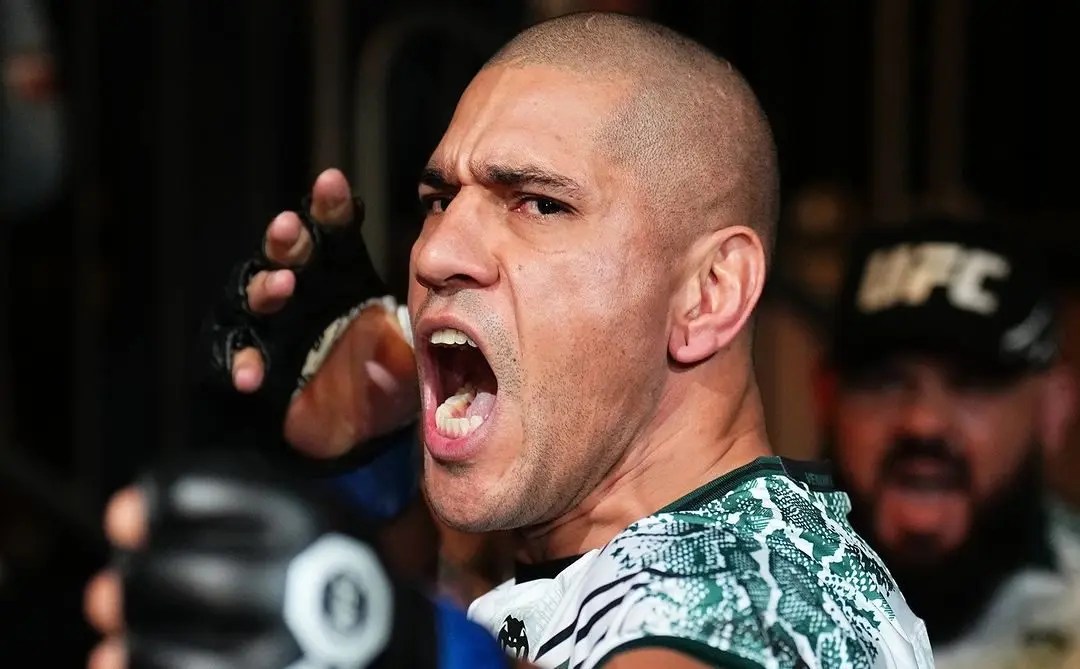
According to Jogo Hoje, the UFC Casa Branca night on June 14 has one of those heavyweight turning-point storylines you can’t script: Alex Poatan openly admitted he’s not arriving “perfect” at the start of his preparation. The point, though, is technical and tactical. In his own words, the camp is about getting strong first, then sharpening the details, because the heavyweight picture punishes half-measures.
Poatan faces Ciryl Gane in the co-main event for the cinturão interino of the division. And the ambition isn’t small: he wants to be the first UFC champion in three different weight categories. That kind of goal changes everything about a fighter’s plan, especially when you’re stepping into the biggest weight class and asking your body to keep up with the pace.
Poatan’s admission and the opening blueprint of the camp
In a video posted on his YouTube channel, Poatan said he’s currently above his ideal weight and even joked about being “heavy,” adding that the early stage of the camp de preparação is focused on building the base. Not the spotlight stuff. The boring foundation that usually decides whether you can carry power late in rounds.
From a tactical angle, this is exactly what you want to hear. Heavyweight success is rarely just about looking bigger on fight week. It’s about whether your hips, legs, and trunk can handle force production without losing speed, timing, or balance. Poatan’s message was clear: early work equals adaptação física, and the transformation will show as the camp progresses.
Why the physical shift actually makes sense at heavyweight
Let’s not over-romanticize it. Moving up to peso pesado means changing your game, not just your wardrobe. Poatan’s history across divisions tells you why. In the beginning, he was a middleweight threat where explosiveness and timing could do damage. Then he had to add size and staying power to survive the meat-grinder of the light-heavyweight lane. Now he’s doing the next step: ganho de massa with a purpose, not weight for weight’s sake.
The tricky part is that the heavyweight range rewards different mechanics. You can’t rely on the same rhythm if you’re carrying excess load without the strength to control it. That’s why the “heavier now” phase matters: it’s a controlled build, paired with the kind of strength work that lets a fighter convert mass into effective force.
- Strength over flash: the early camp prioritizes rebuilding the body to generate power without collapsing mechanics.
- Weight class adaptation: the goal is adaptação física so speed and timing don’t get swallowed by the weight.
- Cut strategy, not panic: even when you’re moving up, managing corte de peso variables still affects how you feel and move on fight night.
- Power carry late: heavyweight rounds punish fighters who can’t keep output after the first surge.
So when Poatan says he’ll look like “a machine,” the real question isn’t whether he can get bigger. It’s whether he can get stronger in a way that shows up in clinch control, shot selection, and the ability to withstand counters.
What’s at stake against Ciryl Gane
Gane is the kind of opponent who turns size into a chessboard. He’s long, athletic, and he’ll make you pay if your entries are predictable or your balance is off. In heavyweight terms, that means Poatan has to respect distance, manage his own reach, and avoid getting dragged into a technical rhythm he hasn’t fully adjusted to.
The cinturão interino adds extra pressure, too. Interim belts don’t exist in a vacuum; they’re political as much as they are sporting. If Tom Aspinall’s situation complicates the linear belt picture, the winner of this fight becomes the “must-watch” heavyweight identity. And Poatan’s camp knows it.
For Poatan, the tactical checklist is simple but brutal: win the early exchanges with committed power, defend Gane’s best range, and keep his own movement sharp enough to threaten—not just survive. That’s the whole reason this camp de preparação is about the body first.
The historical route: from middleweight to the three-belt dream
Poatan’s resume isn’t built on luck; it’s built on adaptation. He first became a UFC champion in the middleweight division (up to 83.9 kg), where he faced Israel Adesanya in a title fight at UFC 281 and delivered a knockout in the fifth round. In the rematch at UFC 287, Adesanya flipped the script and took the belt back.
Then came the step that defines his career: the decision to move up. After the toll of making weight, Poatan went to light heavyweight, beat Jan Blachowicz at UFC 291, and earned a shot against Jiri Prochazka at UFC 295. He knocked Prochazka out and won the light heavyweight title (up to 93 kg), later defending it in three successful outings.
Even when the storyline turned sour, he responded. He was stopped by Magomed Ankalaev at UFC 313, then bounced back to reclaim the throne at UFC 320. Now, with the heavyweight stage waiting, the question is whether the same adaptation spirit can translate into a deeper division—where every mistake costs more.
That’s why the three-category goal matters. If he captures the interim belt against Gane, he’s not just “moving up.” He’s rewriting what the UFC can define as its modern elite.
The political weight of the interim belt in the division
Heavyweight is never just about belts. It’s about who controls the narrative when the linear picture is unclear. If the heavyweight hierarchy has a question mark around Tom Aspinall’s return, the interim belt becomes the anchor that fans and matchmaking can build around.
That’s where Poatan’s ambition gets sharper. A belt here isn’t only a trophy; it’s leverage. It’s the difference between being “a great heavyweight newcomer” and becoming the face of a division that’s constantly searching for stability.
And yes, the physical transformation is the vehicle. But the belt is the destination. That’s why the camp’s emphasis on strength and adaptação física is not a side note—it’s the whole chessboard.
O Veredito Jogo Hoje
Poatan admitting he’s heavy early in the camp de preparação isn’t a weakness—it’s a deliberate signal. We’ve seen fighters chase optics; Poatan is chasing output. If his ganho de massa is paired with real strength, he can turn heavyweight’s biggest flaw into a weapon: the ability to absorb and counter at a higher force level. Against Gane, that’s the difference between being outplayed on the outside and dictating the fight. O peso pesado doesn’t forgive hesitation, and Poatan is building to be dangerous when the rounds tighten. Assinado, o nosso time editorial: essa é a transição que pode virar legado.
Perguntas Frequentes
When will Alex Poatan fight Ciryl Gane?
The fight is scheduled for June 14, in Washington, D.C., as part of the UFC Casa Branca event.
What did Poatan say about his physical change during preparation?
He admitted he’s currently above his ideal weight and described himself as “heavy,” saying the early camp de preparação focuses on strengthening the body so he reaches peak condition for the fight.
What historic feat can Poatan achieve at UFC Casa Branca?
He can aim to become the first UFC fighter to win titles in three different weight categories, by winning the cinturão interino against Ciryl Gane.