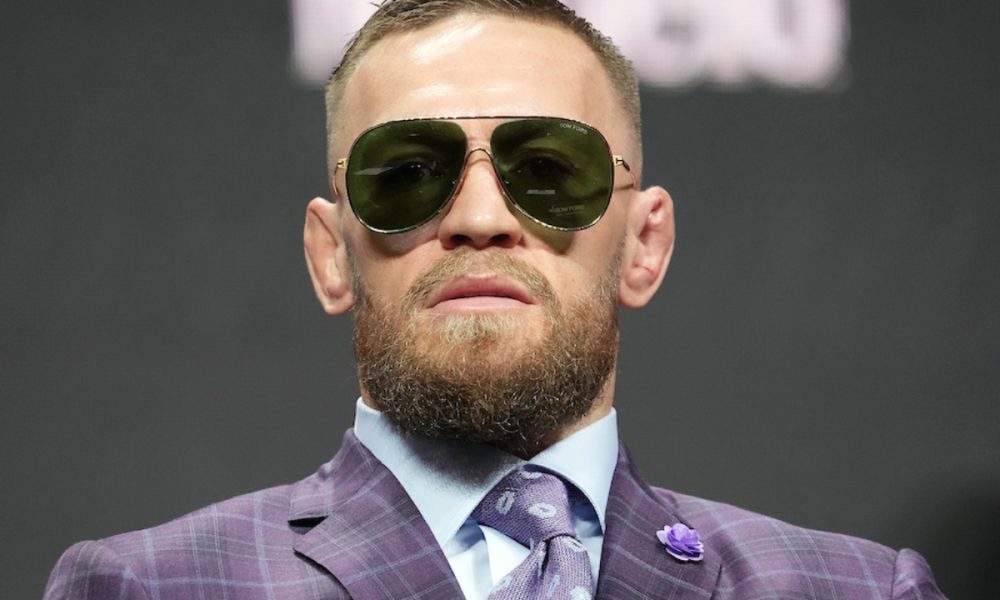
Conor McGregor and Artem Lobov have closed a case that had no business dragging on this long. After years of courtroom friction, the two reached an acuerdo extrajudicial tied to the profits from the sale of Proper No. 12, removing a litígio comercial from McGregor’s path right when the market chatter about his retorno aos octógonos is heating up.
And this is where the money talk matters: according to reporting by JogoHoje, the fight world often treats these headlines as “drama,” but the real story is the valuation math behind a Jogo Hoje brand deal of roughly US$ 600 million in 2021. That’s not background noise, that’s balance-sheet weight.
The settlement that ends the legal fight
Lobov filed the action alleging he was owed a participação nos lucros worth 5% of the proceeds from the company sale. McGregor, for his part, denied any formal or even verbal arrangement that guaranteed that kind of upside. The dispute was headed to trial, but the parties chose a practical route: settle and move on.
After the hearing, the financial terms were not made public. Lobov said he was satisfied with the resolution, while McGregor’s legal team delivered a statement in court that, crucially, included a recognition de contribuição from Lobov at the beginning of the project. Translation? The early-stage work that Lobov claimed was foundational didn’t get ignored entirely.
How much was at stake in the Proper No. 12 sale
In a deal of about US$ 600 million, even a small percentage becomes serious leverage. Lobov’s theory was straightforward: if there were participation nos lucros expectations, then 5% would translate into a stake that could reach roughly US$ 100 million—numbers that show why this turned into a long-running disputa societária instead of a quick handshake.
McGregor’s alleged share in the negotiation phase was reported at around US$ 100 million, underscoring how the dispute revolved around who contributed, who benefited, and how the brand’s valorização da marca was attributed as the Proper No. 12 business scaled.
Why Lobov argued for a slice of the profits
Lobov didn’t just claim employment; he framed himself as a driver of the project’s early formation. He argued he was a key figure in shaping the business direction, including suggesting the creation of the brand, and that he was later excluded from the society once the enterprise gained momentum.
From a finance lens, that’s the heart of a litígio comercial: not “who was friends,” but “who owned the value creation narrative.” When brand growth turns into a platform for a massive exit, the question becomes whether contributions were properly reflected in ownership or profit structure. And if they weren’t, the fight doesn’t stay emotional for long—it turns contractual.
What McGregor recognized in court
McGregor had always denied any agreement that promised Lobov a share. Yet the settlement came with a notable shift in tone: in a statement read by his lawyer, McGregor publicly acknowledged Lobov’s contribution in the early days, including a message of thanks for the initial work on the brand.
That matters because it signals a form of reputational accounting, even if the exact payment details remain sealed. It’s not just about closing the file; it’s about controlling the story around disputa societária and protecting McGregor’s broader business credibility—especially when attention is drifting back toward his next step in the UFC calendar.
The impact on image and the UFC return storyline
McGregor hasn’t fought since July 2021, when he suffered a leg fracture in a loss to Dustin Poirier. With the Proper No. 12 settlement now out of the way, there’s less legal drag to distract from training camp logistics, sponsorship narratives, and the usual media cycle that follows a high-profile comeback.
And yes, the timing is spicy: the possible return has been linked to UFC 329, scheduled for 11 July in Las Vegas, alongside the idea of a broader competitive push in the “Semana Internacional da Luta.” The cleanest way to build momentum is to remove uncertainty. This acordo extrajudicial does exactly that.
O Veredito Jogo Hoje
From a financial standpoint, this is a smart, no-nonsense win for McGregor: pay to end the litígio comercial, accept the early recognition de contribuição, and wipe the slate before the UFC spotlight gets loud again. While other outlets will treat this like another “they made up” headline, we see the real playbook here—protect brand value, reduce legal overhang, and let the next contract negotiation breathe. If McGregor is truly about to crank the engine for a retorno aos octógonos, clearing this kind of risk was step one.
Perguntas Frequentes
Why did Artem Lobov sue Conor McGregor?
Lobov alleged he had a right to 5% of the profits from the sale of Proper No. 12, arguing he was instrumental in the brand’s early creation and later excluded from the society as the business grew.
How much was the dispute worth involving Proper No. 12?
The Proper No. 12 company was sold in 2021 for about US$ 600 million. Lobov’s claim implied a stake that could total around US$ 100 million, based on the alleged participação nos lucros structure.
Does the settlement change anything for McGregor’s UFC return?
It likely helps. By settling the disputa societária and keeping the financial terms confidential, McGregor removes a major legal distraction, which supports a smoother build toward a possible return at UFC 329 on 11 July in Las Vegas.