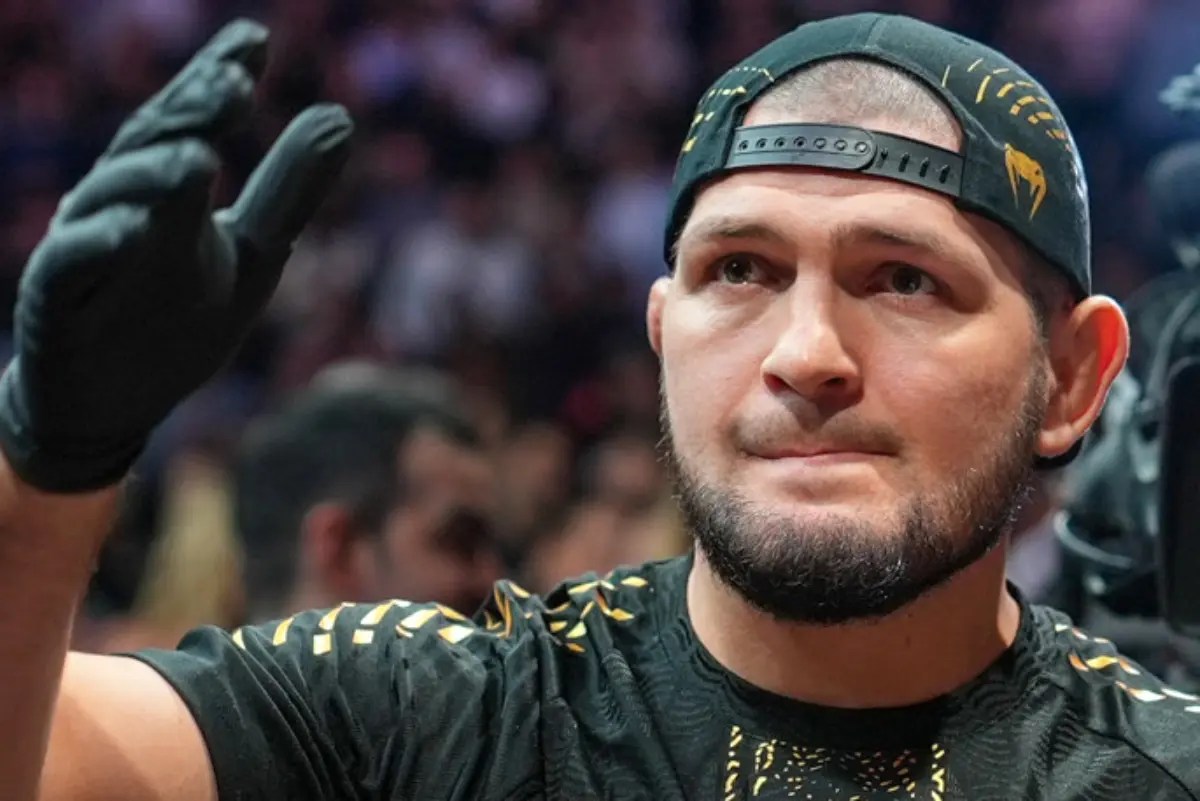
According to recent reporting, Jogo Hoje flagged Khabib Nurmagomedov’s latest move as more than a feel-good headline: the former UFC champion says he has been building a center of training in Sildi, the village where he grew up, with a clear mission that starts in the community and ends on the mats.
Here’s the key detail, and it matters: Khabib says the work has been underway for five years. Not a quick vanity project, not a photo-op. A long build, with a purpose. And if you’ve followed MMA long enough, you know that’s where the real edge comes from.
What Khabib revealed about the project in Sildi
In a video shared in the last couple of weeks by the “Gorilla fighting MMA team” YouTube channel, Khabib explained that his new training center is designed for young people in Sildi, his home village in Dagestan. The tone of the message wasn’t about trophies or hype. It was about structure, access, and giving kids a pathway when life doesn’t automatically hand them one.
Khabib, who retired with a perfect record of 29 wins and 0 losses, framed the project around what he calls project social priorities. He said that growing up, he didn’t have wealthy people around him. He had ordinary life: food, clothes, and the grind. Now, he believes there are more opportunities, and he wants to help people take advantage of them—especially the younger generation.
From a technical standpoint, this is classic “base-building.” You don’t manufacture champions overnight. You build habits, coaching continuity, and a real development of talents pipeline. In other words: formação de base in the most literal sense.
Why the project goes beyond revealing future champions
Let’s be honest, readers. Everybody talks about champions. But Khabib’s angle is different, and that’s why it lands. He’s not selling the idea that the center exists only to produce UFC gold. He’s talking about using sport expertise to support kids in the community—because sport can do what lectures and charity sometimes can’t: it disciplines the body and organizes the mind.
That’s why this feels like legado técnico with a social spine. A mentor role, not just a fame role. Khabib explicitly ties the mission to the environment he came from and the responsibility he thinks successful athletes have to their communities.
And that’s the part we should celebrate: this is formação de base as a public good. When the Dagestão ecosystem keeps investing at the grassroots level, the competitive output isn’t random—it’s cultivated.
The legacy of Abdulmanap in the new training center
Khabib’s words point straight back to the influence of Abdulmanap Nurmagomedov, his father and the central mentor figure behind the Nurmagomedov system. That lineage isn’t a marketing slogan—it’s reflected in the way Dagestan MMA has always treated coaching like a craft, not a commodity.
When Khabib says the project uses his father’s reference point, we should read that as methodology. Discipline. Skill progression. A culture where young fighters learn the fundamentals before chasing spectacle. That’s the engine behind the region’s consistency.
Look at the results around the family: Islam Makhachev is the current lightweight champion—listed as the middleweight division in the referenced material (77.1 kg)—and Usman Nurmagomedov is a PFL champion in the lightweight category (70.3 kg). Different stages, same ecosystem. The center in Sildi fits that pattern: build the pipeline where it all starts.
Khabib’s role as a coach after retirement
Since retiring, Khabib hasn’t disappeared. He’s shifted the spotlight from the octagon to the chalkboard—turning his knowledge into coaching, and his experience into guidance. That transition is usually messy for legends. For him, it looks deliberate.
He described himself as a sports specialist now, trying to help children and the next generation practice sports. That’s not just “being nice.” It’s a statement of identity. If you were taught by the best kind of mentor, you either pass it on—or you waste the gift. Khabib chose to pass it on.
And the best part is that this kind of development of talents requires patience. A center built over five years signals something you can’t fake: long-term planning, coaching staff continuity, and time for kids to grow physically and mentally.
How Dagestan keeps shaping MMA worldwide
Dagestan has become a global shorthand for wrestling-first MMA, but it’s more than style—it’s infrastructure. The region keeps producing because it keeps investing in the early stages. That’s where the center of training becomes a community asset, not a private club.
When Khabib talks about helping kids in Sildi, he’s reinforcing the wider Dagestan model: build the base, then let the fight IQ develop naturally through repetition, sparring, and real coaching feedback. It’s why the region’s fighters look prepared even when the spotlight is bright.
So yes, the name Khabib still draws attention. But the real story is the project social layer and the legado técnico it carries forward. That’s the kind of influence that lasts longer than any belt.
O Veredito Jogo Hoje
This isn’t just a “Khabib news drop.” It’s a statement of intent from a mentor who understands that the sport survives on the kids who never get press. Building a center of training in Sildi for five years—rooted in formação de base and a project social mission—is the kind of move that separates legacy from noise. In our book, that’s the real dominance: not winning fights, but engineering futures. — Jogo Hoje Editorial Board
Perguntas Frequentes
Where is Khabib Nurmagomedov building the new training base?
Khabib says he is building it in Sildi, the village where he grew up in Dagestan.
What is the social goal of Khabib’s project in Dagestan?
He says the project social focus is to support children and the younger generation in the local community through sports practice and youth development.
Who are the main athletes connected to the work around Khabib?
Among the names cited in the context of his coaching influence are Islam Makhachev and Usman Nurmagomedov, both tied to the broader Nurmagomedov training pipeline.