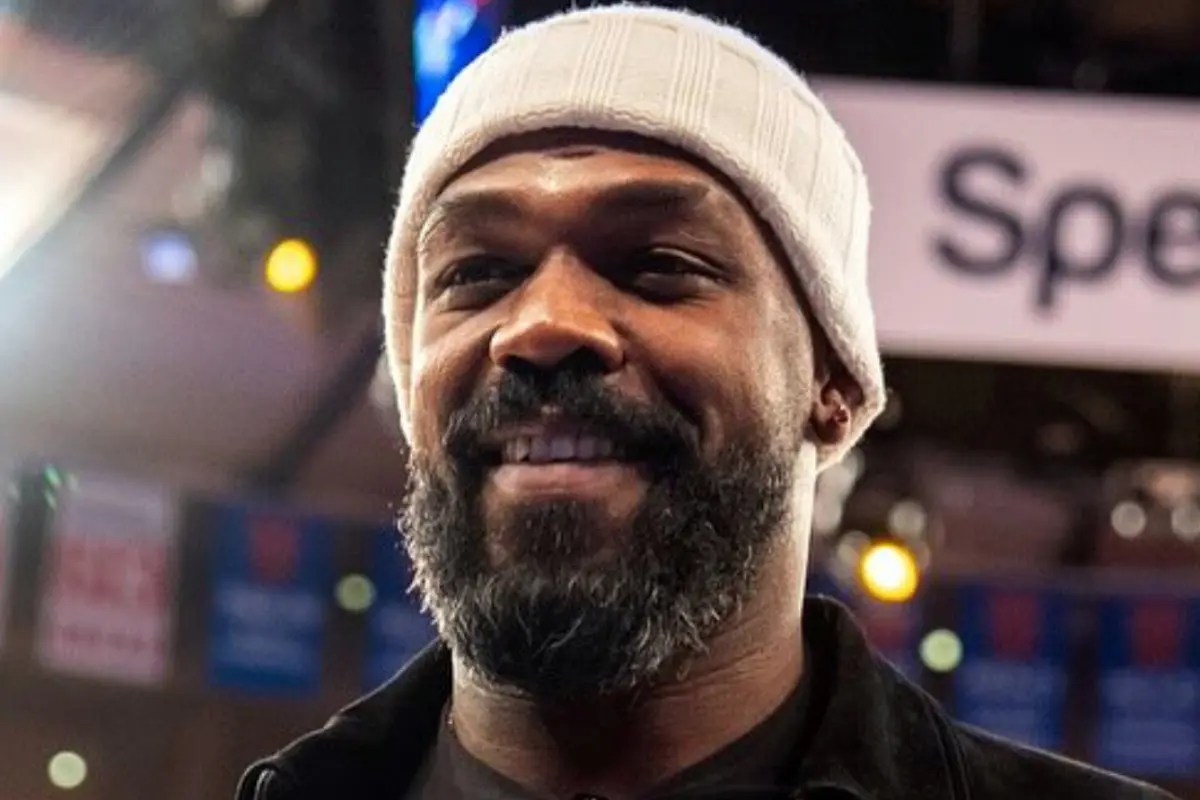
Jon Jones is back in the heavyweight chessboard, and this time the move isn’t about striking volume or takedown timing. It’s about leverage. At UFC 327 in Miami (USA) on April 11, the former champ addressed the big question lurking around his next step: why the talks have felt stuck, and whether the Brazilian blockbuster everybody wants is still alive.
According to Jones, an impasse contratual with the UFC isn’t a vague rumor. It’s a real compensação financeira disagreement that created friction in the bastidores do UFC. And yes, in the middle of that mess, he kept the door cracked for a superluta against Alex Poatan—the kind of matchup that turns a division into a headline machine. As per our editorial coverage, the full UFC landscape and the biggest fights in the rumor mill are tracked daily by Jogo Hoje.
What Jones revealed about the UFC impasse
Jones didn’t dress it up. When asked about the interest from Brazilian fans in a showdown with Poatan, he framed it like a classic negotiation breakdown: he felt the compensation should’ve been different, and the UFC didn’t meet that expectation. That’s the core of the impasse contratual—and it matters because negotiations are part of the fight game, whether people like it or not.
Here’s the tactical read: in heavyweight, where matchups are fewer and the stakes are enormous, the UFC can’t afford to stall a mega story forever. But Jones also can’t pretend he’s walking into a bad business deal. When a former champion talks in terms of “what I wanted” versus “what I got,” you’re watching the bargaining phase, not just the hype phase.
And let’s add the timeline. Before the officialization of the cinturão interino at up to 120.2 kg—the interim heavyweight belt fight between Poatan and Ciryl Gane—on June 14 at an event tied to the Casa Branca, a Poatan-Jones clash was floated. Then Dana White moved to shut it down. That contrast is exactly why Jones’s latest words hit like a reborn storyline.
Why Alex Poatan stays on the radar as the matchup target
Jones didn’t just mention Poatan; he described him like a real opponent profile, the way you’d do when you’re mapping an enemy’s strengths and vibe. He called Poatan a serious threat, a fighter with class, and—most importantly—somebody he genuinely respects. In other words, this isn’t “name-dropping for attention.” It’s Jones keeping a strategic option on the table.
Now, the tactical angle for the fans in Brazil is simple: Poatan represents the kind of fight that can justify the risk both sides are weighing. For the UFC, it’s a global draw. For Jones, it’s a legacy-shaped clash that makes sense inside the peso pesado conversation.
But respect doesn’t solve contracts. That’s why the real question isn’t whether Jones can beat Poatan. It’s whether the negotiation math can finally line up—because the sport’s biggest fights don’t die from skill; they die from terms.
The weight of Dana White’s call on a superfight
We can’t ignore the elephant in the room: Dana White previously denied the matchup. That denial wasn’t just a press-office line—it was a signal to the market, a way to protect the UFC’s event planning and belt timeline.
However, White’s job is to manage the product. Jones’s job is to manage his value. When those two priorities collide, you get the kind of bastidores do UFC friction that turns dates into question marks.
So, does a White “no” become a later “maybe”? It can, if the UFC finds the right structure for compensação financeira and the timing fits the belt picture. And that interim belt—up to 120.2 kg—isn’t just hardware. It’s the UFC’s narrative steering wheel.
What this changes for the future of the heavyweights
Jones’s comments don’t just reopen the Poatan conversation; they also change how we read the heavyweight hierarchy. If there’s an impasse contratual behind the scenes, then every future “agreement” has an asterisk. We’re not just tracking training camps anymore—we’re tracking negotiation leverage.
For the division, the big implication is that the UFC might have to choose between two paths: rush a mega fight and risk backlash from the belt roadmap, or protect the interim belt and hope the ultimate matchup still pays off later.
And for fans, that’s the uncomfortable part. We don’t just want the fight—we want the fight to happen without getting strangled by paperwork and payout terms. In a sport where momentum is everything, delays can be the difference between myth and reality.
O Veredito Jogo Hoje
Jones isn’t stalling because he’s “uncertain.” He’s stalling because the UFC didn’t meet his number, and that’s a grown-man business decision, not a mystery. The Poatan thread is alive for one reason: the matchup still makes tactical and commercial sense in the peso pesado storyline. But until the compensação financeira gap closes, Dana White’s denials will keep echoing. Our read is simple: this fight doesn’t need hype; it needs a contract that finally respects the value of a former king.
Perguntas Frequentes
Can Jon Jones still fight Alex Poatan?
Jones left the door open. He framed it as a financial impasse contratual, so the fight remains on the table if the UFC and his camp align on terms and timing.
What did Jon Jones say about the UFC?
He said a disagreement over compensação financeira created issues with the UFC, referencing negotiation friction and explaining why the talks stalled.
Did Dana White officially rule out the fight?
White previously denied that a Jones vs Poatan superfight was happening around the interim title event timeline, but Jones’s latest comments suggest the conversation isn’t permanently closed—just stuck.