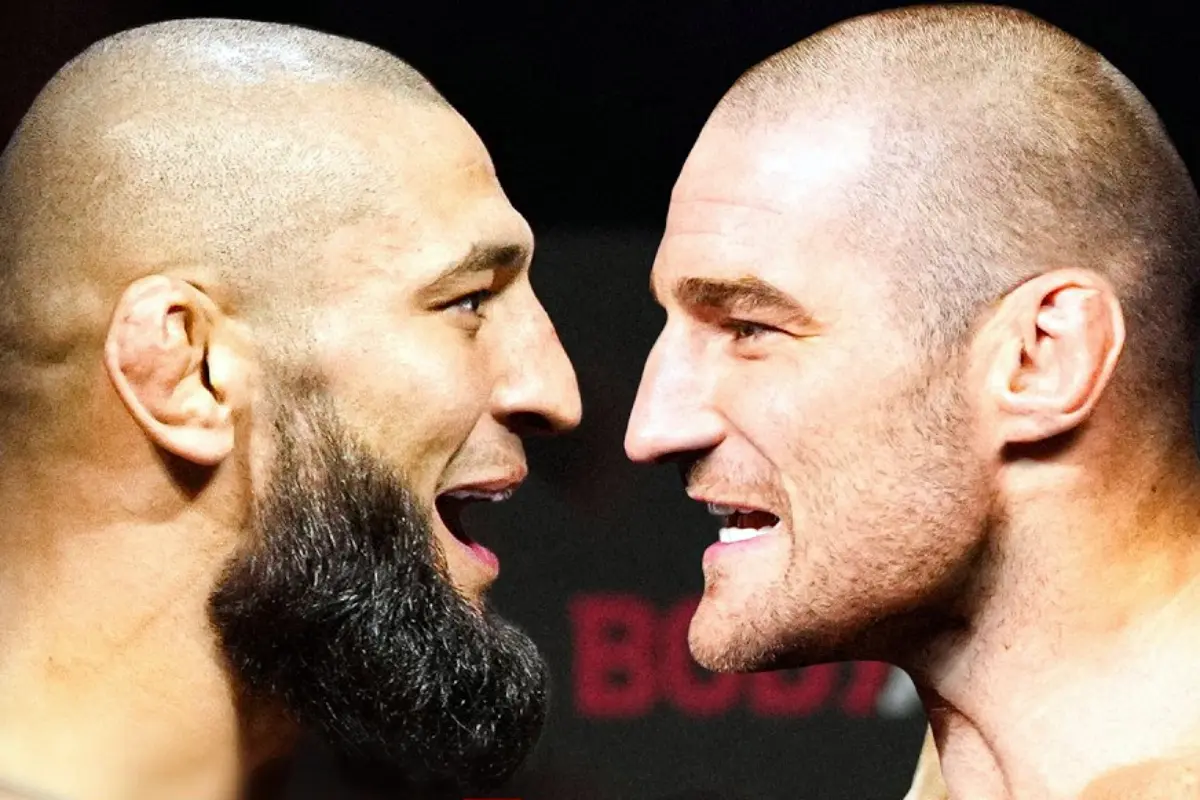
According to Jogo Hoje editorial coverage, this UFC 328 matchup is shaping up to be more than just hype. What Dricus Du Plessis said recently is the kind of tactical read that makes you pause, rewind, and ask: is the champion actually walking into the wrong kind of math?
In an interview on the Fight Forecast podcast on May 5, 2026, Du Plessis went against the grain by backing Sean Strickland to beat Khamzat Chimaev for the middleweight belt (up to 83.9 kg). It’s a controversial take, but more importantly, it’s a style-based one.
The unexpected bet from Du Plessis
Du Plessis didn’t talk like a man throwing a guess. He spoke like a coach dissecting a film session: if Strickland can keep the fight standing and avoid Chimaev’s comfort zones, the champion’s wrestling-heavy game can get disrupted.
His core claim was blunt. Strickland, in Du Plessis’ view, carries a physical advantage that can mess with the timing and the grip-fighting that wrestling demands. And once that wrestling rhythm breaks, everything downstream gets harder for Chimaev.
Du Plessis’ logic also has a dirty little extra layer: he’s not talking about hypotheticals. He’s seen both sides up close. He defeated Strickland twice to earn gold, then later lost the belt to Chimaev after getting taken down repeatedly and controlled.
Why he thinks Strickland holds the physical edge
Here’s where Du Plessis’ analysis gets tactical. He’s not just saying Strickland is “strong.” He’s pointing to a specific scenario: the moment Chimaev tries to drag the fight into wrestling and control on the ground, Strickland must be able to stand back up and reset.
Du Plessis essentially argued that if Strickland survives the early push and manages to get up two or three times in the first round, the fight stops becoming a one-way street for Chimaev. That matters because wrestling is about momentum—especially when a grappler is chasing positional control and trying to turn scrambles into dominance.
From a pure matchup standpoint, that’s a bet on takedown defense under pressure. Not passive defense. Not “hope and pray” defense. The kind of defense that shows up when the clinch gets sticky, the hips get heavy, and the opponent is trying to steer you into the mat.
And let’s be honest: Chimaev’s best nights are built on forcing chaos through wrestling. Du Plessis is saying Strickland can survive the chaos long enough to take it back to trocação em pé, where the physicality turns into leverage in the exchanges.
The plan to disrupt Chimaev’s takedown game
The “if” in Du Plessis’ statement is everything. It’s an instruction disguised as a prediction: keep it standing, deny the grip, and make Chimaev pay for repeated entries.
To do that, Strickland would need to do three things at a high level for a full fight, not just for a highlight reel.
- Defense of takedowns that actually survives the first contact, especially when Chimaev tries to steer the legs and muscle his way into a clinch.
- Breaks in positional control so Chimaev can’t build stable top pressure and convert scramble time into advantage.
- Reset to striking quickly after getting up, so the fight becomes a battle of range and timing rather than a grind for control on the ground.
Du Plessis frames it as wrestling neutralization, but the real takeaway is about físico no clinch and the ability to deny the transition from standing pressure into mat control. That’s where the fight’s identity gets decided.
What Du Plessis’ history reveals about both styles
Du Plessis has a rare lens because he lived both matchups. He beat Strickland on the way to the belt, then later had to deal with Chimaev’s power in the opposite direction.
Against Strickland, the chessboard often felt like a test of toughness and timing—where trocação em pé and staying dangerous mattered. Against Chimaev, the story turned into something else: repeated takedowns, relentless pressure, and the kind of top work that turns every scramble into an argument for control no solo.
So when Du Plessis says Strickland can force a standing fight, he’s not just predicting. He’s comparing what each man can really do under stress. He knows what it looks like when a wrestler gets the mat and how quickly it becomes “one mistake away” from being buried in positional control.
That’s why his read feels credible. He’s basically saying: if you can’t stop the wrestling, you’re cooked. But if you can stop the wrestling long enough to disrupt the first wave, the entire fight plan of the champion starts to wobble.
Why this reading changes the debate about UFC 328
Most people talk about this fight like it’s a simple matchup of “wrestling vs striking.” But Du Plessis is making it more precise. He’s turning it into a debate about takedown defense, recovery speed, and whether the champion can consistently secure top control instead of trading scrambles for survival.
And here’s the part that gets under the skin of conventional narratives: Du Plessis isn’t denying Chimaev’s threat. He’s saying the champion can run into a physical wall if Strickland forces him to fight a different pace.
In a title fight at middleweight, every minute matters. If Chimaev has to chase takedowns without getting clean control no solo, his cardio and decision-making get taxed. Then the fight starts to tilt back toward trocação em pé—and that’s when strength in the clinch and composure in scrambles start to decide rounds.
That’s why this takes the conversation beyond prediction. It’s a tactical map. And maps don’t care about fan noise.
O Veredito Jogo Hoje
Jogo Hoje’s verdict is simple: Du Plessis’ “Strickland route” is the rare opinion that actually sounds like wrestling film study. If Strickland can repeatedly get back to his feet and keep Chimaev from settling into control posicional, the champion’s usual dominance pathway gets clogged. The underrated chess move here isn’t just strength—it’s the ability to deny the transition from clinch to mat, then turn recovery into offense in the categoria dos médios. That’s not a trendy hot take. That’s a matchup problem for Chimaev.
Perguntas Frequentes
Why does Dricus Du Plessis believe Strickland can beat Chimaev?
Because Du Plessis thinks Strickland’s physical advantage can disrupt Chimaev’s wrestling pipeline. His key condition is that Strickland stays upright early and regains his feet multiple times in the first round, preventing Chimaev from building consistent control no solo and stable positional control.
What is Khamzat Chimaev’s main weapon against Sean Strickland?
Chimaev’s primary threat is his wrestling: entries into clinch, takedowns, and the ability to secure top positions. When he gets the mat, he aims to turn the scramble into dominance through controle posicional and sustained pressure tied to wrestling.
When does the fight between Chimaev and Strickland take place at UFC 328?
The bout is scheduled for UFC 328. The exact event date is the one announced by UFC for that card, with this matchup billed as the middleweight title fight (up to 83.9 kg).