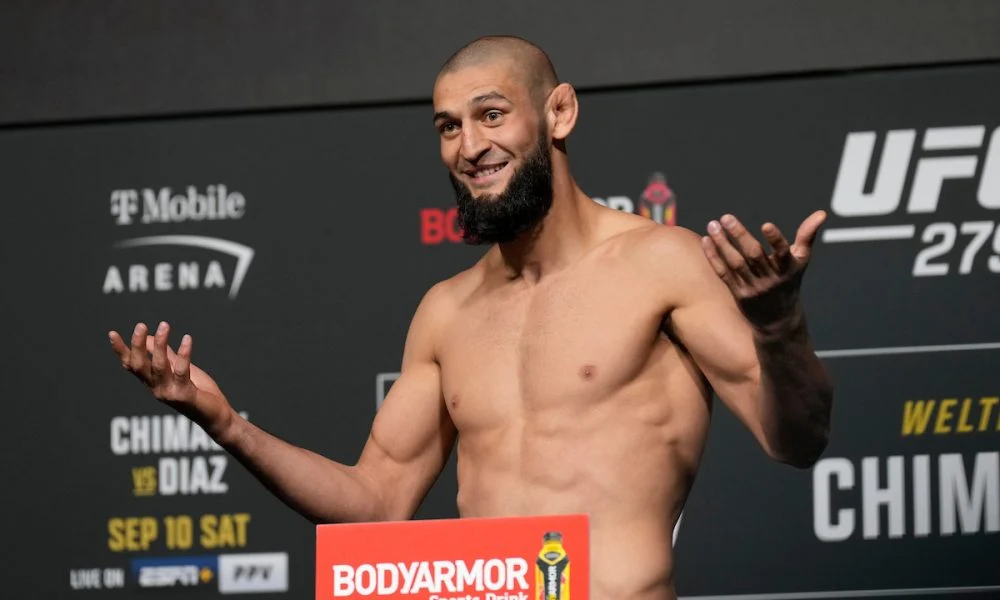
The week of UFC 328 in Newark (USA) didn’t come with a “calm-down” button. It came with a megaphone. And when Khamzat Chimaev was asked about Sean Strickland’s threat, the current middleweight champion didn’t just respond, he went full no-filter. According to the reported comments published on May 6, 2026, Chimaev said he would be “happy to die” if Strickland actually shot at him. That’s not trash talk for the highlight reel. That’s a warning flare, and the UFC obviously understood the assignment.
As we reported on Jogo Hoje, the organization ramped up segurança reforçada around fight-week logistics, including a media day presence with police visible in the background. Because at this point, you don’t manage fighters. You manage risk.
What Chimaev said and why the reply grabbed attention
Picture the media day setup like a scrum: cameras, microphones, controlled chaos. Chimaev walks in as the champion, and instead of playing coy, he doubles down. He claimed he hasn’t even managed to cross paths with Strickland, saying he’s been in the hotel lobby for three days. Then he drops the line that will stick in everyone’s head:
He allegedly said that if Strickland truly came with an ameaça armada, he’d be “happy to die,” basically brushing off the intimidation like it’s background noise. And the sharpest part? Chimaev framed the whole security situation as not really being for him, but for Strickland’s side to stay out of trouble. That’s a cold read, and it tells you exactly how he’s processing this rivalry.
How Strickland’s threat turned the UFC 328 alert level up
Let’s not pretend this was sudden. Strickland’s public comments have been escalating for weeks, and the UFC had to treat the lead-up as more than normal rivalry heat. The alleged plan was simple: keep the athletes apart before the event, prevent any forced “run-in,” and reduce the odds of an ugly scene before the first bell.
Chimaev’s response made it worse in the way only combustible fighters can. When a middleweight champion reacts to a threat with that kind of fatalistic swagger, it’s a signal to the room: this isn’t just competitive banter, it’s personal and it’s volatile. You can almost hear the UFC security team thinking, “We need more distance, more separation, more eyes.”
The rivalry between them and the history of provocation
This rivalry has never been polite. Strickland has a long reputation for leaning into the psychological warfare, and Chimaev has a history of not blinking when the pressure comes from all angles. Their back-and-forth didn’t start with a single quote. It’s built on repeated provocations and escalating claims that the fight itself might not be the only danger on the menu.
Strickland previously suggested that a confrontation could turn tragic, even pointing toward the possibility of death. Then he went further, referencing a background that includes domestic-violence-related themes tied to Chimaev’s opponent’s past. Whether you believe every word or not, that’s the kind of topic that makes a rivalry feel like it has teeth.
And yes, that’s why the rivalidade doesn’t just live inside the octagon. It spills into the week, the venue, the hotel hallways, and the media scrum.
Why the UFC reinforced security for the event
When you have visible police at the media day and a logistical plan that keeps fighters from crossing paths, you’re not “overreacting.” You’re doing the job. The UFC needed segurança reforçada because the threat wasn’t vague, and the potential consequences aren’t theoretical.
Chimaev said he’s stayed put in the lobby for three days without seeing Strickland. That detail matters. It suggests the UFC tried to control the environment the way you control a weight cut: with structure, boundaries, and strict separation. If you don’t, you get a confrontation that steals oxygen from the actual fight.
So the UFC kept them apart, limited direct contact, and treated the week like a controlled operation. In other words, they built a buffer so the only violence on display would be the kind governed by rules and the cinturão do UFC stakes.
What this tension could mean for the fight
Chimaev is a grinder with legit wrestling DNA, and at middleweight he’s dangerous because he can turn pressure into control and control into damage. But the real question isn’t whether he can win. It’s whether this week’s noise changes his headspace.
If you’re too locked into the drama, you start chasing moments instead of moments chasing you. And if Strickland is riding the same edge, you can end up with a fight where emotions interfere with game plans. That’s the risk when a rivalry gets this hot and this personal.
Still, Chimaev’s alleged response also paints a picture of a champion who refuses to be rattled. If he shows up focused and composed, the whole “threat” storyline becomes just another layer of motivation. If not, the UFC’s segurança reforçada might have been necessary for more than just preventing a pre-fight incident.
O Veredito Jogo Hoje
Chimaev didn’t just answer Strickland. He turned UFC 328 into a pressure cooker and made the UFC’s segurança reforçada feel less like procedure and more like damage control. “Happy to die” talk isn’t edgy anymore, it’s reckless theater with a real-world shadow. For me, the scariest part is how easily fighters normalize the idea—because once that door opens, the rivalry stops being sport and starts being something else.
Perguntas Frequentes
What did Chimaev say about Strickland’s threat?
He reportedly said he would be “happy to die” if Strickland actually shot at him, while also claiming he hasn’t been able to cross paths with Strickland during the prior three days in the hotel lobby.
Why did the UFC reinforce security for UFC 328?
Because the fight week included public hostility and an ameaça armada-type situation, with the UFC working to prevent any direct contact or off-venue confrontation. Police presence was reportedly seen during the media day.
What’s the origin of the rivalry between Chimaev and Strickland?
It’s rooted in months of public provocations and psychological warfare, including comments about possible tragic outcomes outside the octagon and personal references that escalated the tension well beyond standard trash talk.