According to our full coverage of UFC 327 on the Jogo Hoje, Paulo Costa’s first night in the light heavyweight division didn’t just end with a finish. It ended with a plan executed so precisely that you had to squint to see where the “chance” was supposed to live. And that’s the key: this was a debut built on preparation, reading, and relentless control of distance, not on luck.
The debut of Borrachinha in the light heavyweight division
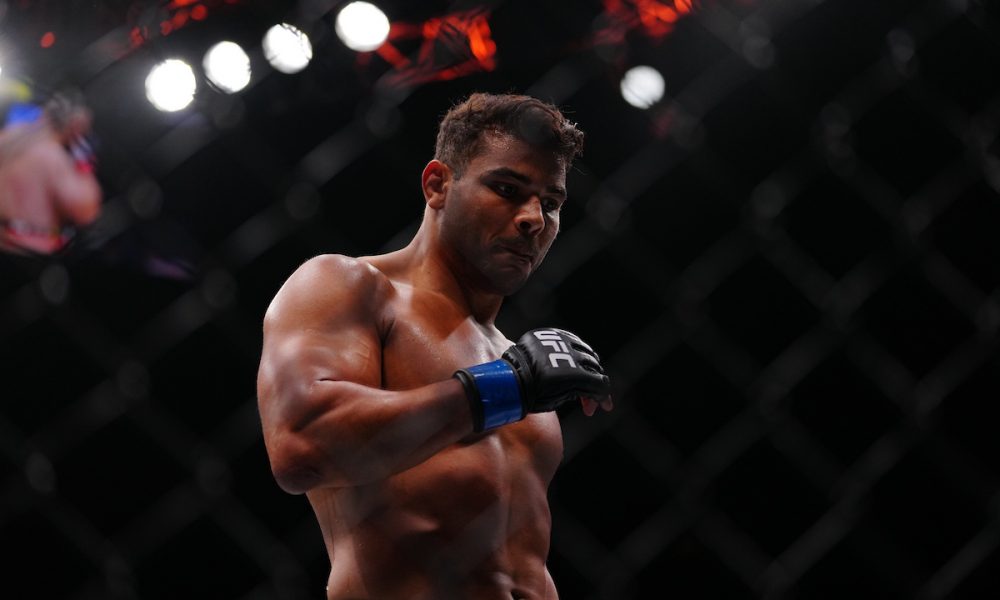
Paulo Costa kicked off his light heavyweight (93 kg) run with a statement win over Azamat Murzakanov at UFC 327. The timing was perfect for the narrative, sure, but the technique was even better: a nocaute no terceiro round that snapped the opponent’s spotless run. Murzakanov came in undefeated in his professional MMA career and carried a ranking da categoria weight, sitting at 6th place in the division. That matters because the light heavyweight space punishes hesitation, and Costa didn’t hesitate for a second.
Costa’s move from middleweight (84 kg) to meio-pesados is the kind of shift that can either sharpen your ceiling or expose your ceiling. This time, it looked like a ceiling-raise. Three months of training in a focused, repeatable structure is what separates “trying hard” from having the fight mapped like a road atlas.
The plan built by the coaches and the opponent’s read
What Costa revealed after the fight is where the tactical story really lives. He said his team didn’t wing it. They montaram tudo, knew what Murzakanov would do, and then prepared counters for the exact moments where the opponent typically wants to take over.
As analysts, we love “confidence” quotes—but this one had fingerprints. Costa framed it like a checklist: how to block the jab, what the opponent tends to do when he’s comfortable, and how to manipulate the leitura de distância so the other guy keeps choosing the wrong lane.
And yes, he used the language of being “mapped.” That isn’t just bravado; it’s a signal that the plano de luta included specific defensive priorities. When you’re moving up a division, your timing window can shrink. So you don’t just train offense. You train the moments that prevent offense from landing cleanly.
- Jab disruption as an early weapon, not a hope.
- Distance reading to steer exchanges into Costa’s correct range.
- Progressive execution, letting the fight evolve instead of forcing it.
How the fight unfolded until the third-round knockout
Inside the octagon, the fight played like a tactical film with the ending already chosen. Costa didn’t rush the finish; he built it. Round by round, he tightened the angles, kept Murzakanov guessing, and made the opponent pay for the distance errors his team had targeted during camp.
The third round is where the accumulated work turns into damage. When the jab is blunted and the range is controlled, the opponent’s rhythm gets chopped up. That’s when openings start appearing in clusters instead of one-at-a-time. And that’s what Costa did: he kept growing the pressure as the rounds went, until the finish arrived on schedule.
It’s not just that it was a nocaute no terceiro round. It’s that it was a third-round finish that looked inevitable because the earlier rounds were designed to make it happen.
The weight of beating an undefeated ranked opponent
Let’s give credit where it’s earned: Murzakanov wasn’t a throwaway name. He was undefeated and ranked, occupying 6th on the ranking da categoria. In UFC 327’s light heavyweight landscape, that’s a legit measuring stick.
So when Costa lands a knockout in his estreia na divisão, it’s more than a highlight. It’s a technical audit. It tells you his adaptation isn’t cosmetic. It’s structural.
And the most interesting part? Costa didn’t just respect the opponent—he also kept the edge. That week of tension and provocations is part of the sport’s theatre, but the fight itself was pure execution. Respect with bite, strategy with teeth. That’s a dangerous combination.
The future dilemma: stay at 93 kg or return to the middleweights
Now comes the real chessboard question. Costa has to decide whether to lock into the light heavyweight division (93 kg) or swing back to the middleweights (84 kg), where he has already tasted title-level intensity.
From a tactical standpoint, this win gives him leverage either way. At light heavyweight, he proved he can handle a ranked, undefeated opponent by controlling leitura de distância and choking off the jab. But moving up also changes the rhythm of power, clinch entries, and shot selection. So is he built to stay, or is this a calculated detour?
Three months of training for this transition is a data point, not a verdict. The next camp will tell us whether this was a perfect storm of preparation—or the start of a new chapter. And honestly, which one do you think the UFC wants from him?
O Veredito Jogo Hoje
Here’s our take: this wasn’t a “good night.” It was a tactical blueprint. Costa’s camp sounded less like motivation and more like engineering—distance control, plano de luta discipline, and a clear plan to neutralize the jab before Murzakanov could set the tempo. When a fighter debuts in the meio-pesados and finishes an undefeated, ranked opponent with a nocaute no terceiro round that grows from round to round, that’s not luck. That’s coaching that hits the whiteboard, then hits the target. We’ve seen plenty of bold moves in the UFC—this one was mapped, measured, and executed.
Perguntas Frequentes
How was Paulo Costa’s win at UFC 327?
Paulo Costa won by knockout, delivering the finish in the third round against Azamat Murzakanov.
What did Borrachinha say about the strategy used against Murzakanov?
He said his team mapped the opponent’s movements, focused on blocking the jab, and trained distance decisions to ensure the right range at the right time.
Will Paulo Costa stay at light heavyweight or return to middleweight?
He’s still weighing his options between staying at 93 kg in the light heavyweight division or returning to the 84 kg middleweights, where he previously challenged for the belt.