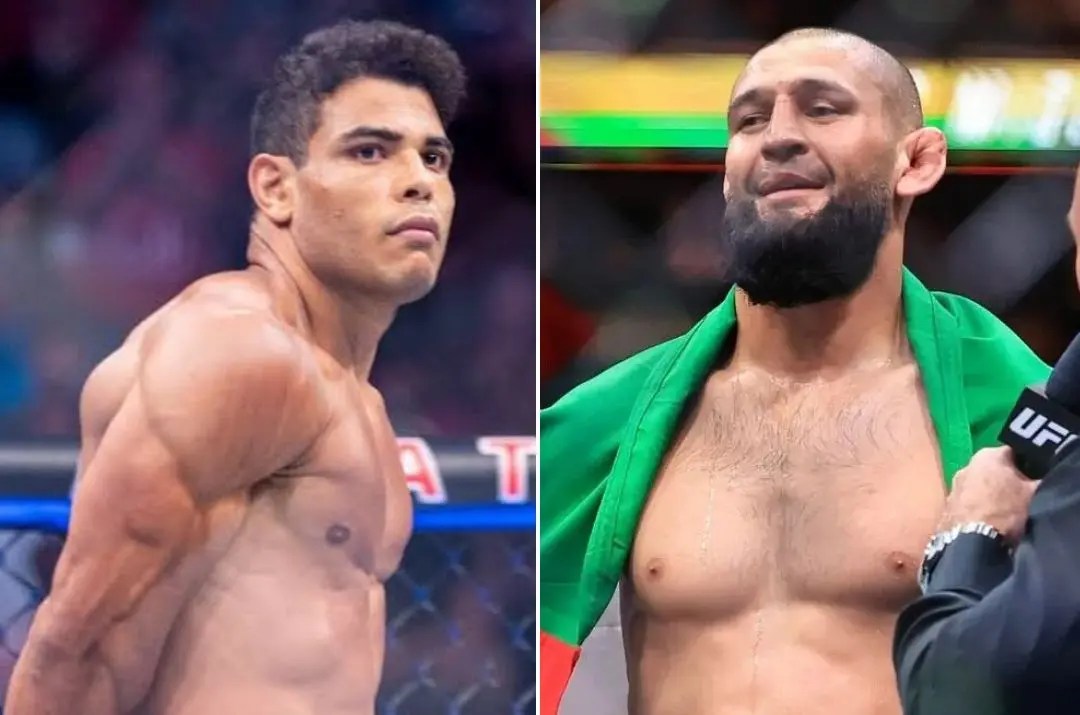
Paulo Borrachinha didn’t just win at Jogo Hoje’s UFC 327 coverage, he flipped the chessboard. After a thunderous nocaute over Azamat Murzakanov in the co-main, the Brazilian is officially switching to the meio-pesados (light heavyweight, up to 93 kg) and immediately started talking like a man who wants to climb the ladder fast.
Now the target is clear, loud, and loaded with narrative: Khamzat Chimaev. Keep an eye on that rivalidade—because when two high-visibility names collide in a division above, the ranking doesn’t just move. It gets bent.
The victory that changed Borrachinha’s outlook
At UFC 327, Borrachinha made his light heavyweight debut count on the card principal spotlight with a brutal finish. The win was his 16th in the UFC ledger and it wasn’t a “safe” performance; it was impact-first, tempo-breaking, and built to send a message to the whole room.
That matters tactically. Moving up a weight class changes the way you get attacked, the way you recover, and even how clean your entries are. Borrachinha still found the damage, though. And when a striker can carry his threat into a higher division early, it compresses the options for everyone else in the bracket.
The call-out to Chimaev and the provocation of a new division
Speaking after the fight, Borrachinha confirmed he wants Khamzat Chimaev next. The wording was simple, the intent wasn’t: “I have a rivalry with Chimaev. I’d like to fight him. We can do it here in the light heavyweight division.”
So this isn’t just a fan-service headline. It’s matchmaking logic. Chimaev is the kind of opponent who forces matchmakers to answer questions immediately: Who gets the next title-adjacent path? Who’s next to get ranked? Who sells the event with real stakes, not filler?
And yes, there’s the rivalry juice too. When you’re talking about rivalidade, you’re also talking about styles that collide under pressure. Borrachinha is trying to drag Chimaev into his preferred conversational lane: the light heavyweight stage.
Why a light heavyweight matchup makes strategic sense
The move to meio-pesados isn’t random. It’s a calculated bet that his finishing threat translates even when opponents carry more mass and longer frames. Light heavyweight also tends to reward fighters who can make moments count—because the margin for tactical drift shrinks fast once the pace turns.
Here’s the tactical angle we can’t ignore: a Chimaev fight is never just a “stand and trade” problem. It’s a pressure-and-grind equation where the bigger question becomes how you manage range, entries, and defensive windows. If Borrachinha can keep his timing and still land heavy when the shot clock resets, that’s a scary proposition.
And if the UFC actually builds this matchup in the right lane, it could accelerate the pecking order. A win for Borrachinha in this division would reframe his ceiling, while a win for Chimaev would tighten the ranking picture even further. Either way, it forces the division to react.
What the win represents for Borrachinha’s career
Two straight positive results after the switch is a huge signal. Fighters don’t just “arrive” in a new class and keep steam without adaptation. Borrachinha’s performance suggests he’s not merely surviving at 93 kg—he’s still hunting the fight where he’s most dangerous.
At 16 career wins, he’s already built enough credibility to demand attention. But credibility is only half the currency in the UFC. The other half is momentum—and right now Borrachinha is spending it aggressively, trying to steer his next chapter instead of waiting for the bracket to hand it to him.
O Veredito Jogo Hoje
This is the kind of move that separates “good run” from “division statement.” Borrachinha didn’t wait for permission—he jumped into the light heavyweight conversation with a nocaute and a target that forces the UFC to think about both ranking and storyline at the same time. If Chimaev signs on, we’re not looking at a routine step up; we’re looking at a real litmus test for who owns the next phase of the 93 kg conversation. That’s why this call matters.
Perguntas Frequentes
Paulo Borrachinha wants to fight Khamzat Chimaev in which category?
Borrachinha wants the fight in the light heavyweight division (up to 93 kg), the meio-pesados weight class.
Who did Paulo Borrachinha defeat at UFC 327?
He defeated Azamat Murzakanov by knockout at UFC 327.
How many wins does Paulo Borrachinha have in his career?
With the UFC 327 victory, Borrachinha reached 16 wins in his career.