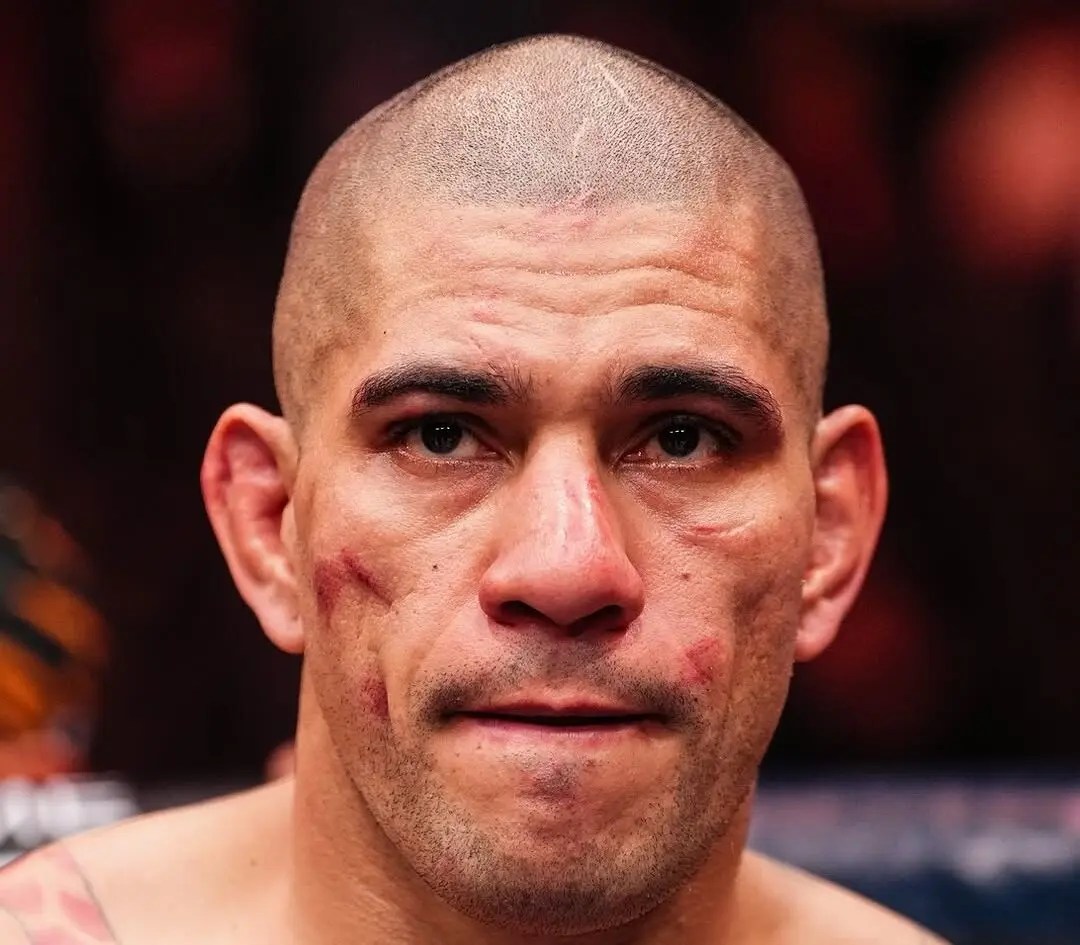
According to Jogo Hoje, the build-up to Alex Poatan’s heavyweight debut has turned into a full-blown culture clash: not about tactics, not about matchups, but about how the Brazilian “looks” after his adaptação corporal for a mudança de categoria. And that’s exactly why Michael Bisping stepped in, swinging hard at the online crowd instead of letting the noise drown out the real story.
With UFC Casa Branca penciled for June 14 and Poatan set to face Ciryl Gane in a heavyweight fight (up to 120.2 kg), the debate around his peso pesado transition has been loud. Bisping didn’t just disagree. He went after the critics’ credibility, because in combat sports, talk is cheap and the body doesn’t lie.
Defense of Bisping and the Reaction to Online Criticism
Bisping’s point was simple, and it landed with the force of a jab: if you’re going to judge an athlete’s corte de peso journey and his physical readiness, at least bring something useful to the table. In a video posted on his YouTube channel, the former champion bristled at the negative commentary directed at Poatan’s new build and questioned who, exactly, was qualified to mock it.
We’re not pretending the internet is ever short on opinions. But when the conversation shifts from trocação, timing, and match-specific game plans to armchair bodybuilding takes, that’s when the signal gets buried under the static. Bisping made sure people remembered what matters: performance under pressure, not aesthetics.
Why Poatan Changed His Body to Move Into Heavyweight
Let’s get technical, because the heavyweight move isn’t a casual upgrade. Poatan is coming off a career stretch where his path demanded brutal efficiency at each limit. In the UFC, going up means the athlete has to solve a new equation: how to keep the same violent output while managing different distances, different pacing, and different opponent power profiles.
For Poatan, the change is rooted in adaptação corporal and preparation for the peso pesado ceiling. Heavyweights don’t just hit harder; they also tend to absorb more, defend differently, and force longer sequences. That’s why massa muscular and overall stability are part of the plan. It’s not about chasing a look. It’s about building a frame that can handle the grind while keeping movement sharp.
And yes, there’s always a hidden cost. When you move up, you’re not simply “adding.” You’re reshaping your balance—how you generate force, how you protect your base, and how your cardio holds when exchanges get longer and the threat never fully goes away.
What’s fascinating is how Poatan’s profile translates. His game has always leaned into relentless pressure—forcing opponents to reset under uncomfortable rhythm. That estilo de pressão can become even more dangerous in heavyweight, but only if his conditioning and mechanics survive the transition.
What This Transformation Could Change Against Ciryl Gane
Ciryl Gane isn’t a one-dimensional opponent. He’s built around angles, footwork, and the ability to control space with his alcance. In other words: if Poatan doesn’t establish dominance early, Gane will happily make him chase.
So the key question isn’t whether Poatan looks different. It’s whether the new body helps him do the small things that decide heavyweight fights: closing distance without losing structure, landing first and second phase strikes, and turning striking exchanges into clinch threats when the opponent backs up.
This is where trocação becomes tactical. Against a stylist like Gane, Poatan needs cleaner entries and better timing to negate the reach advantage. If his adaptação corporal improved his stability through contact, it can help him withstand counters and keep pressure on without tipping into fatigue.
And don’t underestimate the cardio angle. Heavyweight pace can spike unpredictably—one big exchange changes everything. Poatan’s ability to keep throwing with intent after a few hard minutes will determine whether this becomes a pressure-fueled statement or a long night of adjustments.
Poatan’s Recent History and the Title Landscape
Poatan’s credibility in the UFC isn’t built on highlight reels alone. He’s already been a champion in the lighter weight classes and climbed the ladder by solving opponents that many fighters would avoid.
His first UFC belt came in the middleweight division (up to 83.9 kg). He became a problem for Israel Adesanya at UFC 281, finishing the fight in the fifth round and stacking a third win over the rival. But in the rematch at UFC 287, Adesanya flipped the script and knocked Poatan out to reclaim the title.
From there, the pattern was clear: the corte de peso grind took its toll, and Poatan chose to move. After defeating Jan Blachowicz at UFC 291, he got the chance to chase the light-heavyweight belt against Jiri Prochazka at UFC 295. He delivered—stopping Prochazka by knockout, then defending the title three times.
The setback came at UFC 313, when Magomed Ankalaev got the better of him. Poatan responded by bouncing back and reclaiming the throne at UFC 320. Now the division picture is complicated by the uncertainty around Tom Aspinall’s return to defend the linear heavyweight belt, which is why Poatan’s fight is tied to the cinturão interino.
That context matters. When the top is unclear, relevance becomes currency, and this fight is a high-stakes audition for heavyweight supremacy.
What Comes Next Before UFC Casa Branca
Before June 14, the storyline should be judged the right way: by how Poatan’s mudança de categoria affects his execution, not by how social media frames his appearance. The matchup with Gane is the perfect stress test for his new build—because it combines distance control, striking defense, and constant movement.
If Poatan can translate his pressure style into efficient entries and sustained output, the heavyweight transition stops being a talking point and becomes a weapon. If not, the critics will find a new angle to complain about. But we’d rather see the fight decide it.
O Veredito Jogo Hoje
We’re siding with the smart take here: Bisping’s outburst was emotional, sure, but the underlying message is pure fight-game logic. The heavyweight switch is about adaptação corporal, survival through heavier pace, and a pressure style that still works when the opponent is bigger, faster, and harder to move. If Poatan’s massa muscular and conditioning let him land first, cut the alcance, and keep his cardio intact, then the only “physique” that matters is the one that wins exchanges. That’s what we want to see—and that’s what will judge this transition.
Perguntas Frequentes
Why did Alex Poatan change his body to fight in the heavyweight division?
Because moving up to heavyweight requires adaptação corporal to handle a different pace and power profile, support his peso pesado transition, and maintain effective mechanics while managing the realities of a new mudança de categoria.
Who will be Alex Poatan’s next opponent in the UFC?
Ciryl Gane. The fight is scheduled for UFC Casa Branca on June 14.
What did Michael Bisping say about the criticism of Poatan?
Bisping defended Poatan and criticized the people mocking his physical changes, arguing that online chatter doesn’t qualify as expertise when it comes to a fighter’s preparation for heavyweight competition.