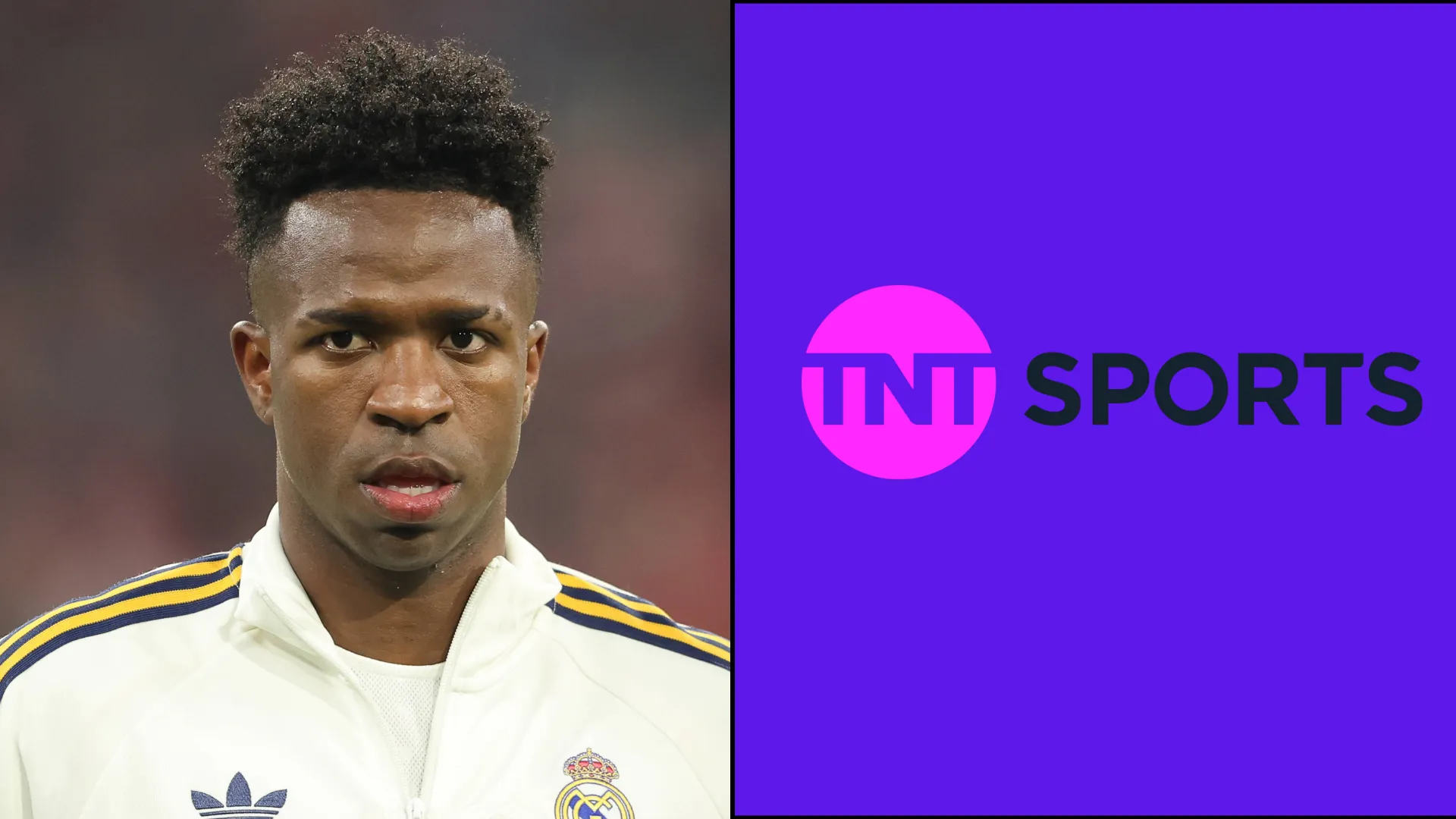
According to Jogo Hoje, the media sports chessboard in Brazil is changing fast, but the Champions League story looks stubbornly familiar: the UEFA has awarded TNT Sports (Warner Bros. Discovery) a renewal for the 2028/29 to 2030/31 cycle, extending the broadcaster’s grip that began in 2015. This is the sort of deal that doesn’t just win a tender; it buys time, predictability, and audience habits. And when you price in foreign currency, those three things matter more than any pundit’s hot take.
We’re talking about a contract spanning four seasons, with the cycle ending in 2031. It’s the 4th renewal and the 5th rights cycle for TNT Sports, and it could add up to as much as 16 years of control over the Champions League in Brazil, depending on how the handoffs work across platforms.
The renewal that stretches TNT Sports’ lead
The headline is straightforward: TNT Sports will keep airing the Champions League in Brazil through the 2027/28 to 2030/31 period. But the real question isn’t “who won?” The real question is “why did they keep winning?” In a fragmented market where TV por assinatura, streaming, and free-to-air are all competing for the same eyeballs, consistency becomes its own advantage.
TNT Sports didn’t just outbid rivals; it built a structure that makes future bids feel less risky. Think of it like squad planning. If your recruitment model works, you don’t blow up the team every transfer window. You tweak roles, protect the spine, and keep the core chemistry.
Financially, the Champions League is a high-visibility asset. In tender language, it’s a cashflow engine. In fan language, it’s the weekly habit. And TNT Sports has treated it like both: a product to be packaged and a brand to be protected.
How Esporte Interativo became a commercial fortress for the Champions
Back in the 2011/12 era, the turning point was almost cultural. When Esporte Interativo took over the “Casa da Champions” mantle and disrupted ESPN’s long spell, a lot of viewers blinked twice. The common fear was that it would be a quick experiment, that the rights would circle back soon. Instead, the deal kept renewing.
In other words, the story didn’t start with TNT Sports as a brand. It started with a positioning move: making European football feel local. That matters because football rights aren’t sold on match minutes alone. They’re sold on familiarity, language, schedule, and the ability to keep the same faces and style across cycles.
The early proof of concept came with the channel’s willingness to buy into club-by-club windows. TNT Sports bought rights for some Brazilian teams for the 2019 to 2024 cycle, including Palmeiras, Santos, Bahia, Athletico Paranaense, Coritiba, Fortaleza, Ceará, and the first two years of Internacional among others. But it didn’t last in that form beyond 2021, and the lesson was clear: don’t force the wrong competition if the financial model isn’t aligned.
Then came the “Law of the Home Team” era, the pre- and post-rule shift that changed how match cards could be assembled. That legal environment narrowed options for rights packaging, and TNT Sports pivoted hard toward the European calendar where its offer was already strongest.
The multiplatform weight: pay TV, streaming, and YouTube
If you want to understand why TNT Sports is so hard to topple in the Champions League tender cycle, look at distribution economics. A single channel is vulnerable. A multiplataforma ecosystem is sticky.
On the pay side, TNT Sports stacked TV options with two channels on TV por assinatura (TNT and Space). On the streaming side, the brand evolved from the old EI Plus experience through Estádio TNT Sports to the current HBO Max setup. And then, crucially, it didn’t treat free platforms as an afterthought.
Here’s where the strategy turns into a long-term bankroll. TNT Sports amplified reach via free digital channels like YouTube. As part of future Conmebol rights plans, a package of 16 South American matches is scheduled to be broadcast openly on YouTube starting in 2027, replacing current SBT rights. The point is not only the matches; it’s the habit-building around the brand.
Meanwhile, the Champions League has a similar logic: correspondents across Europe, a consistent broadcast feel, and a pipeline of content that keeps the product “in the feed” even when the match itself isn’t live.
That’s why the market’s attention doesn’t swing as violently against TNT Sports as it does against broadcasters who rely on one distribution channel. When the tender comes again, TNT Sports is not starting from scratch. It’s defending a routine.
Why TNT avoided other rights wars
Here’s where the finance talk gets spicy, because this is the part rivals often misread. TNT Sports didn’t win by “going everywhere.” It won by knowing where the return on investment was strongest.
Look at what others did. While the Disney group concentrated on keeping control over Libertadores and Sul-Americana, and even took a swing at the Brazilian Série B rights, TNT Sports stayed laser-focused on the Champions League. That discipline prevents budget dilution.
And when other tournaments opened up, TNT Sports often didn’t sprint in. Libertadores, for example, saw Paramount enter for the 2023 to 2026 cycle. Even when Globo rescinded part of its paid-platform contract in 2020 for rights reaching up to 2022, TNT didn’t jump in to replace the gap aggressively.
Brazil’s domestic competition also offered an opening, especially after the market became more predictable with the Law of the Home Team. But TNT still didn’t turn it into a feeding frenzy. Amazon took 38 matches from the Forte União block, while Globo kept most of the rest alongside Record and CazéTV’s open-package inventory. The message from that period is clear: TNT Sports wasn’t chasing every coin tossed onto the pitch. It was choosing the set pieces that fit its wage bill.
In a tender world priced in foreign currency, the wrong bid can turn into a long-term drag on margins. The Champions League, by contrast, is a revenue and audience asset that can justify the risk.
What changes for SBT, competitors, and Brazilian fans
On free-to-air, the big question is the sublicenciamento relationship with SBT. The current cycle includes Champions League coverage on SBT since 2021, and the arrangement exists because TNT Sports agreed to sublicense rights to make it work on the open TV side.
But the deal’s future isn’t guaranteed. There is still no confirmed definition of whether that sublicensing will be maintained for the 2027/28 to 2030/31 period. If that handoff ends, SBT loses a long-running football European niche, and Brazilian free-to-air viewers lose one of the few consistent windows into the Champions League.
For competitors, the challenge is structural. When a broadcaster has international backing, stable production infrastructure, and a streaming esportivo and TV distribution strategy aligned with the rights calendar, it’s not just a bidder. It becomes a reference price setter. And in tenders, reference prices are half the battle.
For fans, the upside is continuity. The downside is concentration. If TNT Sports keeps its advantage through the full cycle, the viewing experience could become even more uniform across platforms, with fewer alternatives on the open TV dial.
The next battle: sublicensing and the 2027/28 to 2030/31 cycle
The next round of negotiation is likely to revolve around how rights are bundled across platforms, and specifically whether the open TV access channel remains intact through the next cycle. That’s where sublicenciamento becomes more than a legal clause; it becomes a market positioning tool.
On paper, the tender process has already shown TNT Sports’ ability to sustain its offer across multiple cycles. The reported numbers in the tender context also hint at how aggressive the competition landscape can be. For instance, the future package indicates 57 matches per edition in the prospective cycle framework, and the open YouTube component for other competitions starting in 2027 shows how the ecosystem is designed to keep audiences in the brand orbit.
Still, the SBT question remains the one that most affects the “front door” of the sport. If sublicensing continues, open TV fans keep access. If it doesn’t, the Champions League becomes even more of a pay TV and platform product, narrowing the gate.
O Veredito Jogo Hoje
Let’s call it what it is: TNT Sports didn’t just buy the Champions League rights, it bought the conditions to keep winning them. The combination of direitos de transmissão continuity, international backing that absorbs tender risk in moeda estrangeira, and a truly multiplataforma distribution machine turns every new auction into a defensive exercise for them. Meanwhile, rivals keep shopping for single tournaments like it’s a one-off transfer window. That’s amateur hour. If the sublicensing with SBT survives, Brazil’s Champions League ecosystem stays locked in. If it doesn’t, the league gets even more paywalled, and the “fight” becomes less about football and more about who controls the pipeline. Assinado por quem já viu muita briga de direitos virar novela: o torcedor vai sentir no bolso e no acesso, e a TNT vai continuar no comando.
Perguntas Frequentes
Why did TNT Sports win the Champions League rights tender through 2031?
Because it combined a proven track record since 2015 with a distribution strategy that spans TV por assinatura, streaming, and free digital reach, while managing the financial challenge of pricing in moeda estrangeira and structuring its direitos de transmissão offer to reduce market risk across cycles.
Will SBT keep transmitting the Champions League in the next cycle?
SBT has aired the competition on free-to-air since 2021 thanks to TNT Sports’ sublicenciamento. However, there is still no definitive confirmation that the agreement will be maintained for the 2027/28 to 2030/31 period.
Which platforms will show the Champions League in Brazil starting in 2027?
Based on the current setup and the reported direction of future rights packaging, the Champions League will remain anchored in TNT Sports’ TV and streaming ecosystem (including HBO Max), with the possibility that free-to-air access through SBT depends on whether the sublicenciamento continues. The exact open-to-air arrangement for 2027/28 onward is the key variable.