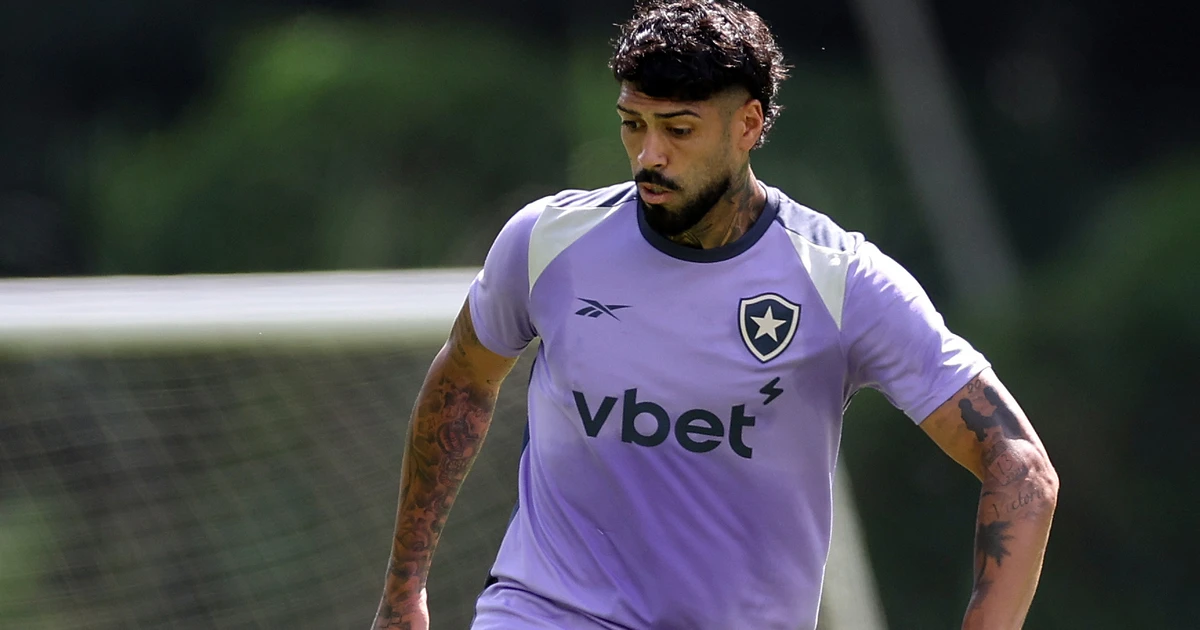
According to Jogo Hoje, the pressure in the Fluminense camp is real: the quarta rodada da fase de grupos arrives in Mendoza, Argentina, and the Tricolor are chasing their first win of this Libertadores run. Kickoff is set for 21:30 Brasília time. The interesting part isn’t only the starting XI Zubeldía has already locked in, it’s the bench he’s built for a match where game state can flip fast on the road.
Context: Mendoza pressure and the first-win urgency
Libertadores away trips don’t forgive sloppy minutes. In Mendoza, the air, the tempo, and the rhythm of the crowd can nudge your decisions toward risk management. Zubeldía is walking into a scenario where the fase de grupos equation forces clarity: Fluminense need points, but they can’t let the match turn into an open cafeteria for the opponent. So the plan likely starts with a controlled shape, a bloco médio that can compact space, and a mindset ready for recomposição the moment possession is lost.
And here’s the chess part: when you’re desperate for a first Libertadores victory, you don’t just “bring fresh legs.” You bring answers. That’s why this bench matters.
Who Zubeldía brought on the bench, and what each profile offers
Zubeldía’s bench for Independiente Rivadavia includes 12 names: Vitor Eudes, Samuel Xavier, Jemmes, Igor Rabello, Julián Millán, Renê, Otávio, Alisson, Paulo Henrique Ganso, Soteldo, John Kennedy, and Kevin Serna. Twelve bodies, but not twelve identical roles. Each one nudges the tactical balance toward a different pathway: more stability, more verticality, more ball progression, or sharper late-game decision-making.
- Vitor Eudes: a profile suited for defensive structure and game control when the match demands steadiness. Think of him as a “keep it tight” option to protect the bloco médio.
- Samuel Xavier: adds depth on the flank/side of the pitch, useful for managing wide duels and restoring spacing after an intense transição ofensiva from the starters.
- Jemmes: a flexible rotation piece. In Libertadores, these are the players who can cover ground and help Fluminense stay connected across lines during recomposição.
- Igor Rabello: a direct lever for defensive reliability. If Mendoza turns physical or if Fluminense get forced into defending second balls, he becomes a practical solution.
- Julián Millán: a technical/structural option that can help reshape the midfield spacing and keep the armação from breaking when the game gets chaotic.
- Renê: built for defensive duty and flank coverage, especially if the opponent targets the channels after Fluminense push numbers forward.
- Otávio: a stabilizer for circulation and control. When Fluminense need to slow the tempo and prevent counterattacks, he’s the kind of option you want.
- Alisson: an additional attacking/creative resource to tilt the match without sacrificing the defensive baseline—useful if Zubeldía wants to keep transitions dangerous.
- Paulo Henrique Ganso: the “ball in the right place” operator. His presence screams intent: when Fluminense need cleaner armação, better angles, and sharper timing in the final third, he can raise the ceiling.
- Soteldo: a high-impact accelerator for one-on-one situations and quick penetrations. Against a team that may sit deeper after losing momentum, he’s a weapon for breaking lines.
- John Kennedy: a forward option that can stretch the opponent’s defensive organization. In a match where late runs matter, he’s a classic tool for creating problems in transition.
- Kevin Serna: another pace/energy option to intensify Fluminense’s attack and force the opponent into defensive sprints, especially once the match opens.
Substitutions that can swing the match: creation, recovery, and attack
Look at this bench and you can map three likely substitution scenarios. First: if the game starts tight and Fluminense feel the pressure of the away crowd, expect changes that protect the midfield distances and reinforce the bloco médio. That’s where defensive and control-oriented options (like Eudes or Rabello, plus a stabilizer in midfield) make sense.
Second: if Fluminense manage to win the ball in dangerous zones, the key isn’t just the transição ofensiva itself—it’s what happens after. If Zubeldía sees the opponent counter with speed, the bench becomes a recomposição toolkit. You bring on profiles that can track runs, cover the flank, and keep the team’s shape from collapsing.
Third: if the group stage reality forces Fluminense to chase the result, the bench turns into a creativity and tempo engine. That’s when you’d expect more emphasis on armação and attacking disruption: the game shifts from “don’t lose” to “win the next duel,” and that’s where Ganso’s orchestration, Soteldo’s directness, and Kennedy/Serna’s forward intensity can decide the margins.
So ask yourself: is Zubeldía preparing for a single script? Or is he planning for multiple match states—exactly what Libertadores away matches demand?
What the bench list says about Fluminense’s tactical design
This isn’t a bench built only for late-game freshness. It’s a bench built for tactical identity management. The mix of defensive depth, midfield control, and attacking match-warping profiles suggests Zubeldía wants Fluminense to remain flexible: compact enough to survive Mendoza’s phases of pressure, but dangerous enough to punish any defensive hesitation.
That’s the vibe of a team expecting to play with a bloco médio, then stepping into the next phase with controlled risk. And when possession changes, the priority becomes immediate recomposição followed by a cleaner path into armação. The bench supports the transitions, both the good ones and the “we must recover now” ones.
In other words: the list doesn’t just tell you who can play. It tells you how Zubeldía intends to travel through the fase de grupos without getting dragged into chaos.
O Veredito Jogo Hoje
We’re going to be blunt: this bench screams a coach who understands Libertadores isn’t won by names, it’s won by timing and reaction. Zubeldía’s selection covers every likely curveball in Mendoza—stability for the bloco médio, tools for recomposição when the opponent breaks, and game-changers to upgrade transição ofensiva and armação when the match opens. That’s not “depth.” That’s a plan with levers—exactly how you hunt your first win without gambling the season.
— Analyst’s call for Jogo Hoje
Perguntas Frequentes
Quais são as opções de Zubeldía no banco do Fluminense?
Zubeldía has 12 options available: Vitor Eudes, Samuel Xavier, Jemmes, Igor Rabello, Julián Millán, Renê, Otávio, Alisson, Paulo Henrique Ganso, Soteldo, John Kennedy, and Kevin Serna.
Que horas é o jogo do Fluminense contra o Independiente Rivadavia?
The match kicks off at 21:30 Brasília time, in Mendoza, Argentina.
O que o banco revela sobre o plano de jogo do Fluminense?
It indicates a flexible approach: protecting the bloco médio, prioritizing recomposição after turnovers, and using tactical substitution to either stabilize the match or intensify armação and transição ofensiva when the game state demands it.