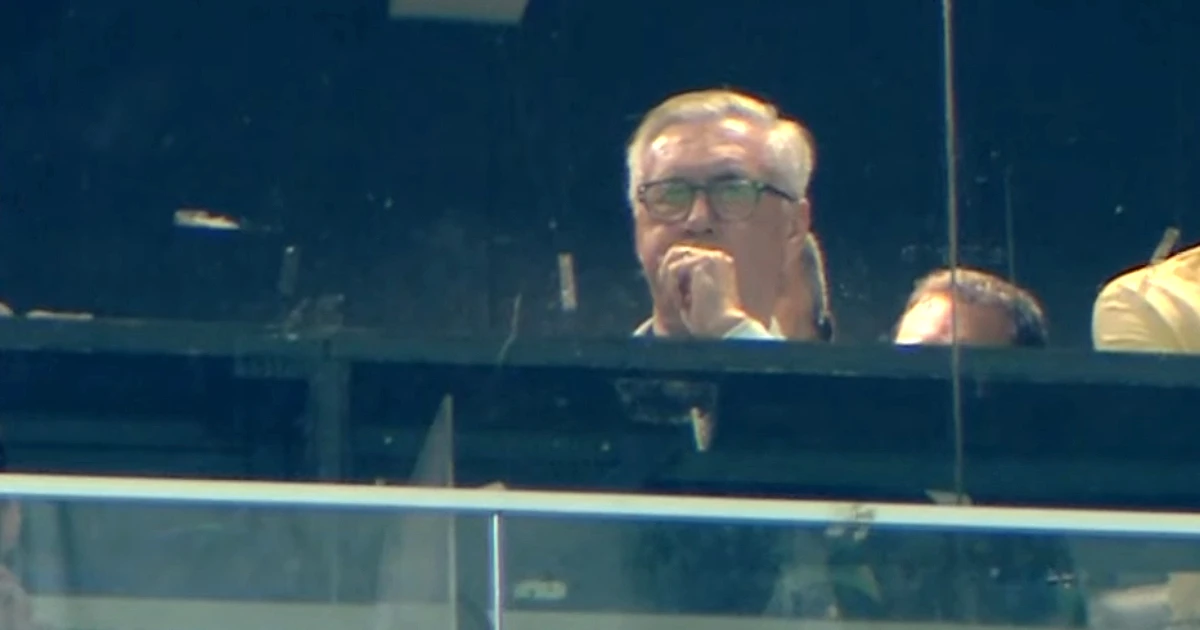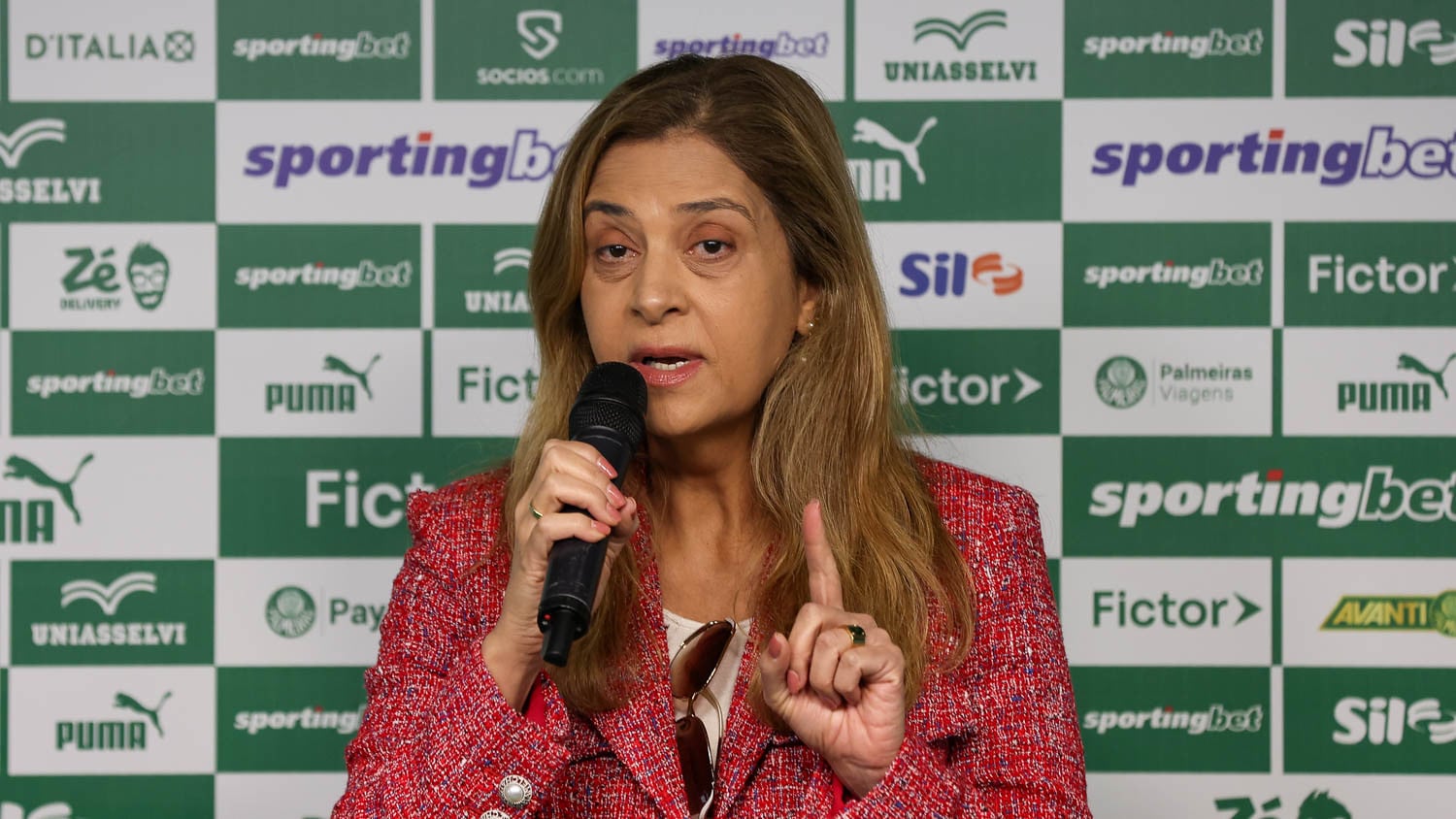
Palmeiras dropped an nota oficial this Saturday (11), and make no mistake: this isn’t just post-match noise. From a legal standpoint, the club is sounding the alarm about the efeito suspensivo being denied to head coach Abel Ferreira by the justiça desportiva, while insisting the process lacked the criterion of judgment that should keep decisions consistent across similar situations.
According to what JogoHoje.esp.br has learned, the STJD’s denial lands as a direct blow to Palmeiras’ immediate planning, because a suspension that runs while a case is still under challenge can completely reshape the touchline command for crucial games.
What makes this feel extra combustible is the club’s claim that the disciplinary punishment wasn’t only tough, but also built on debated grounds, including the use of lip reading without adequate pericial backing, and the decision’s alleged comeback to earlier episodes that had already resulted in penalties for the coach. In other words: if the punição disciplinar is meant to be proportional and reasoned, why does Palmeiras feel the math doesn’t add up?
What happened with Abel Ferreira’s request
The central point is straightforward: Palmeiras asked for an efeito suspensivo, and the STJD said no. In legal terms, that’s the difference between “we appeal and wait” versus “the sanction plays out immediately.” The club argues this undercuts the full right of defense, because the coach ends up serving the suspension before the second instance has a chance to review the reasoning properly.
Palmeiras also frames the overall disciplinary sequence as a chain reaction of decisions it considers incoherent. The club’s complaint isn’t only about the end result; it’s about the judgment criteria—the way evidence, context, and prior cases were weighed—leading to what they perceive as an unfair outcome.
Why Palmeiras contested the ruling
Abel Ferreira’s case sits at the intersection of procedure and fairness, and Palmeiras is leaning hard into that. The club points to what it calls isonomia problems: the principle that clubs and professionals in comparable circumstances should be treated under comparable standards.
From an Advocate’s chair, the key question is this: if the system claims to be predictable and transparent, why does Palmeiras believe the tribunal’s approach diverged from what has happened “in cases similar” where an efeito suspensivo was granted?
Palmeiras’ criticism also takes aim at the logic of responsibility. The club argues it’s unreasonable to single out one professional when the alleged conduct is rooted in broader match context. They even use the loaded metaphor of a “scapegoat,” because—let’s be honest—disciplinary justice that feels selective kills credibility faster than any yellow card.
The comparison Palmeiras makes with the CBF
Palmeiras didn’t stop at the STJD. The club also questioned the CBF’s decision-making consistency, pointing to another calendar-related administrative call: Fluminense vs Flamengo.
That match was initially scheduled for Saturday (11) and then moved to Sunday (12) after Flamengo’s request was accepted by the CBF. Palmeiras says it’s not interested in the outcome of that specific request, but it is interested in whether the same criterion of judgment is applied uniformly across clubs.
In the club’s view, other teams have seen similar petitions denied with frequency. So the question becomes: is there a real standard, or is it vibes-based administration? In a competition where logistics already bite, uniformity isn’t a luxury—it’s part of protecting justice desportiva and the competitive balance.
And yes, Palmeiras explicitly ties this back to second instance expectations: they want a re-evaluation with coherence, not just a rubber stamp of first-step reasoning.
The practical impact for Palmeiras in upcoming matches
When an efeito suspensivo is rejected, the consequences are immediate, not theoretical. Palmeiras has to plan without Abel Ferreira’s full presence on the touchline while the case runs its course toward the second instance.
That matters more than fans might think. The coach’s role isn’t only about motivation; it’s about in-game adjustments, reading refereeing patterns, and protecting the tactical identity under pressure. If the punishment is served now, but the review comes later, the appeal becomes a delayed consolation prize—exactly what any serious defense tries to avoid.
So when Palmeiras talks about coherence and transparency, it’s not just rhetoric. It’s a direct attempt to preserve the integrity of their competitive preparation during a stretch where every substitution and every set-piece detail has a direct scoreboard effect.
What could happen in the second instance
Palmeiras is signaling that the path it expects is a proper re-check at the segunda instância—the second instance—where the tribunal should revisit the reasoning behind the punição disciplinar.
Legally, there are two pressure points. First, whether the evidence and its reliability were treated in a way that matches the standards of the criterion of judgment. Second, whether isonomia was respected compared to how similar requests and disciplinary contexts have been handled elsewhere.
If the second instance finds procedural flaws or disproportionality, the outcome could swing from maintaining the sanction to modifying it—or at least changing how the case is understood for future disciplinary consistency. Palmeiras clearly wants the latter: a decision that doesn’t just close a file, but reinforces predictable justice.
O Veredito Jogo Hoje
Look, the STJD can hide behind procedure, but Palmeiras is asking the right question: where’s the consistency in the efeito suspensivo logic and the criterion of julgamento when the club believes it’s being held to a stricter standard than others? If you want the “sports justice” system to feel legitimate, you can’t let the process look like a pattern one day and a rule the next. This is the kind of case that doesn’t just affect Abel Ferreira—it tests whether justice desportiva is actually delivering fairness or simply enforcing outcomes.
Perguntas Frequentes
Why did the STJD deny Abel Ferreira’s request for an efeito suspensivo?
Because, according to the tribunal’s decision logic, it did not grant the suspension of the punishment while the appeal is processed. Palmeiras disputes that reasoning, arguing the denial undermines the full right of defense and lacked consistent judgment criteria compared to similar situations.
Can Abel Ferreira coach Palmeiras while he appeals?
With the efeito suspensivo denied, the sanction is treated as effective immediately, meaning he typically cannot fully operate as if the suspension were paused. The hope for Palmeiras is that the second instance revisits the case with enough coherence to change the practical impact.
What did Palmeiras allege against the STJD and the CBF?
Against the STJD, Palmeiras questioned proportionality and the evidence basis, including the alleged use of lip reading without proper pericial support, and the reactivation of earlier penalized episodes—claiming a breach of isonomia. Against the CBF, the club pointed to the decision to move Fluminense vs Flamengo after Flamengo’s request, arguing there’s a lack of uniformity in how similar petitions are treated across clubs.