According to Jogo Hoje’s immediate coverage of Botafogo in the South American Cup, the night at Nilton Santos ended with a 1-1 draw and a big talking point: the VAR-led anulation de pênalti (penalty being cancelled) for the home side at the very end of the first half. Four minutes of tempo de revisão later, the on-field call was reversed, and the storyline instantly turned polêmico.
What Happened in the Penalty Moment
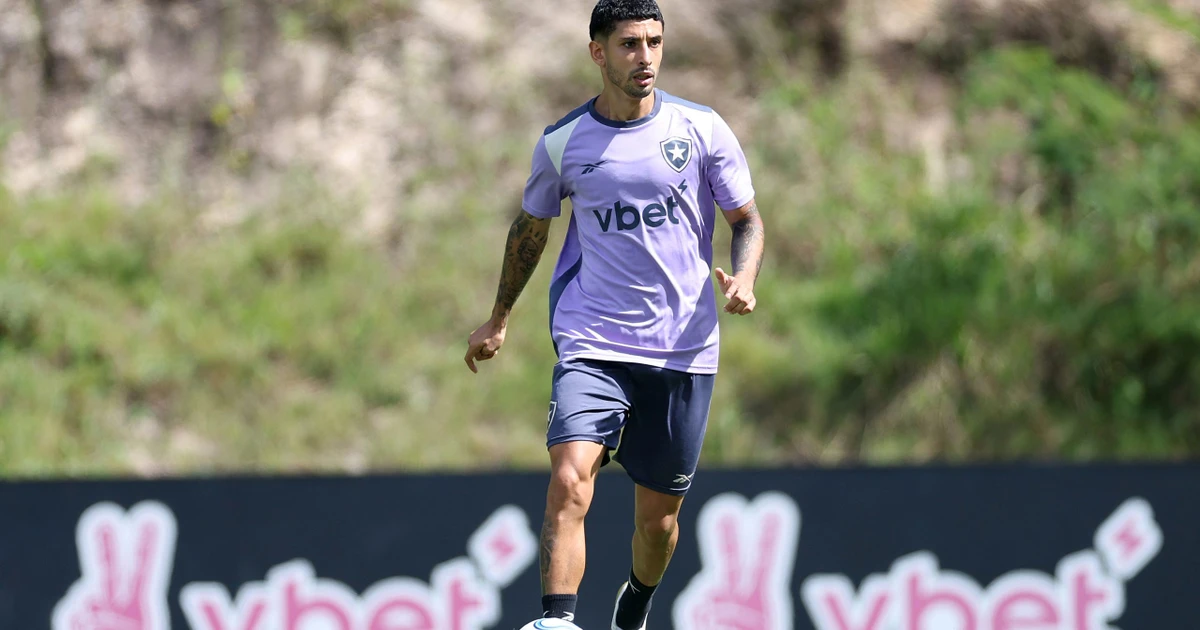
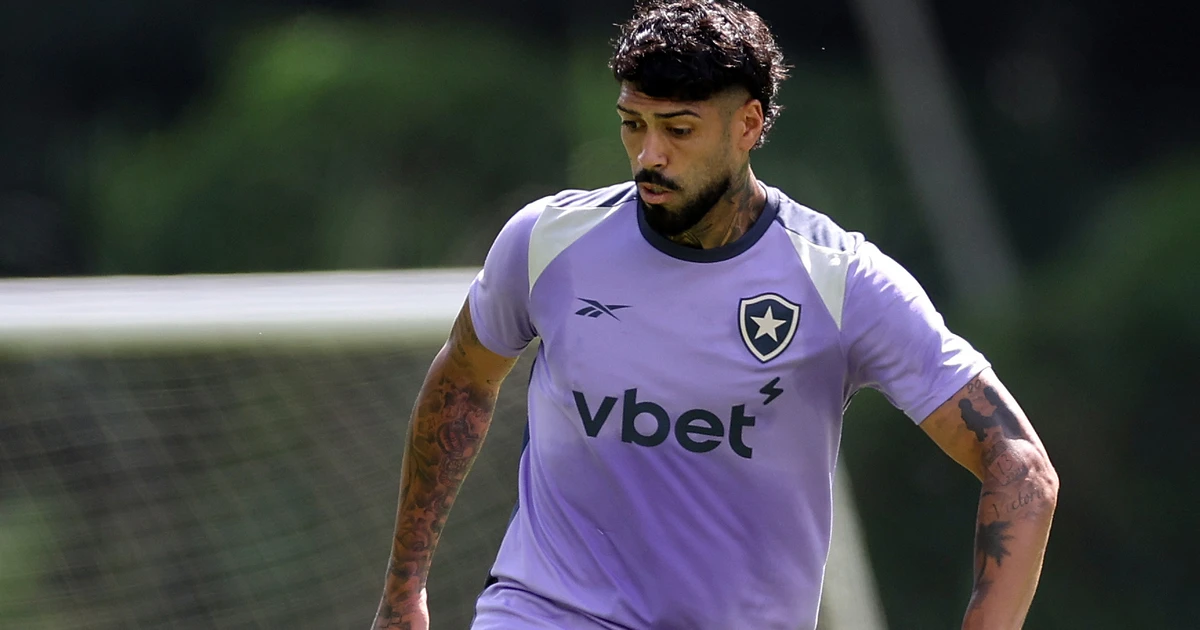
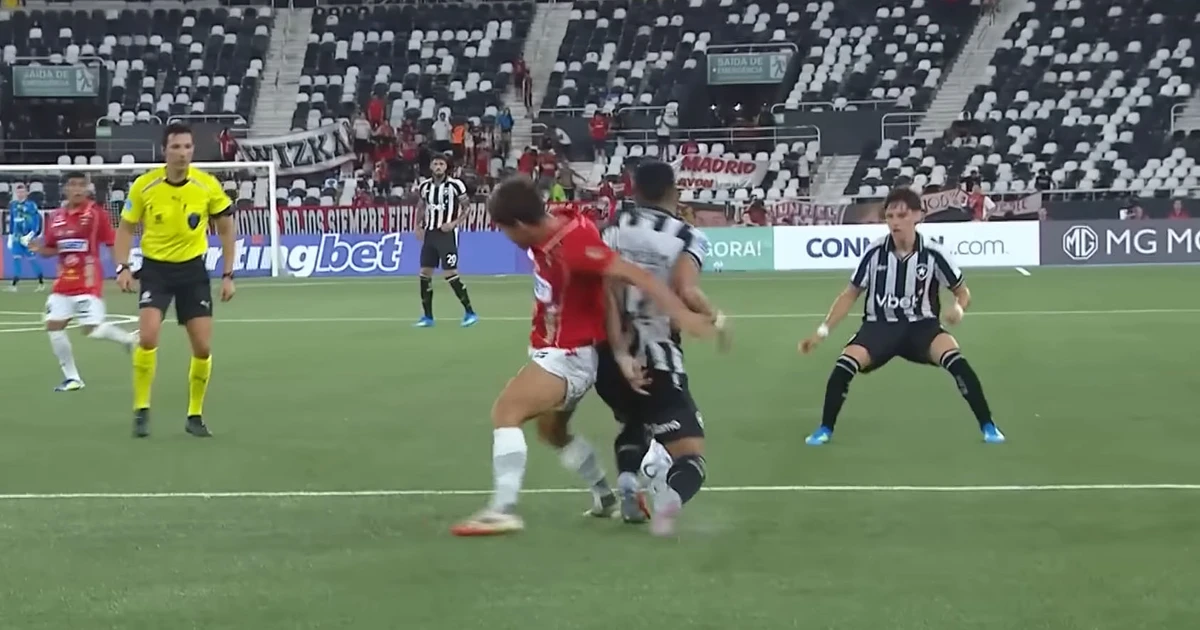
With the clock ticking down in the first half, the referee initially pointed to the spot after contact involving Matheus Martins. The decision stayed “on the field” briefly, until the intervenção do árbitro de vídeo kicked in: VAR, led by Joel Alarcón, asked the referee to review the play on the monitor. The result was a change in the decisão de campo, turning what looked like a clear penalty into a no-penalty after the revisão do VAR.
The key detail is how the movement unfolded inside the grande área: Martins gets to the ball, but the leg extension and the fall read as a dive-like reaction rather than a genuine contact faltoso that meets the threshold for a penalty. That’s exactly the kind of micro-geometry VAR is built to police.
Carlos Eugênio Simon’s Technical Breakdown
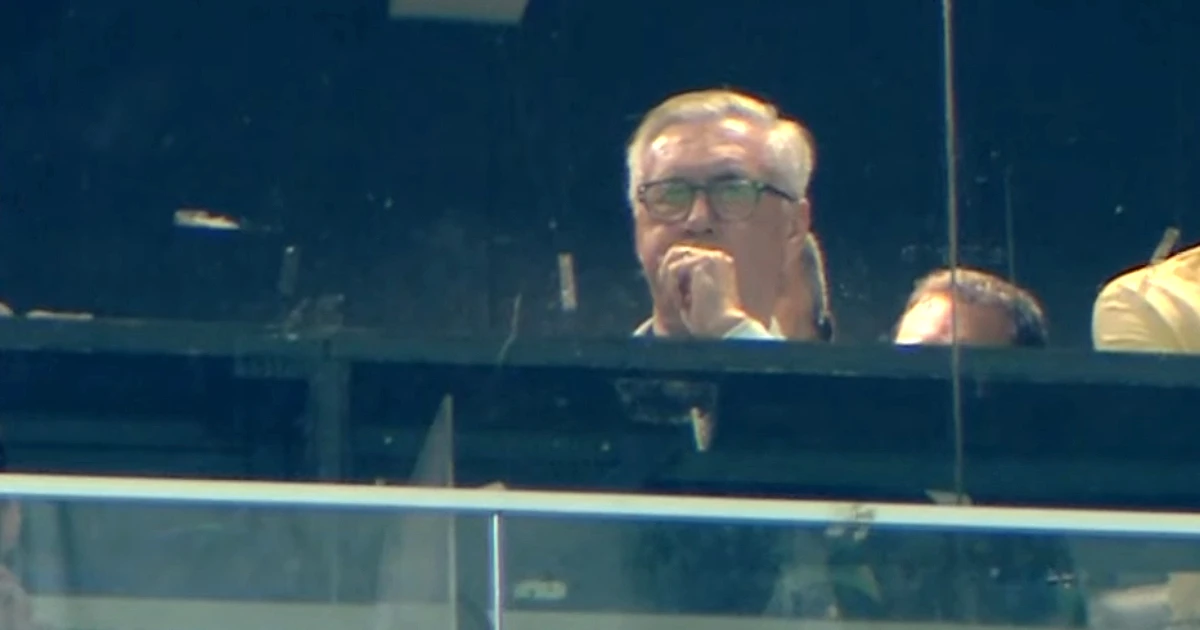
Arbitration commentator Carlos Eugênio Simon didn’t mince words, and—more importantly—he didn’t hide behind emotion. In ESPN’s Sportscenter, he said the decision was correct because there was no actual penalty situation. His interpretation was bluntly technical: Martins “touches the ball,” but the leg is stretched too far and the player ends up going down inside the box.
That matters, because in VAR territory the question is not “was there any contact?” but “was it a foul that creates a clear, punishable advantage within the grande área?” Simon’s logic was that the touch by Fereira was not a foul contact that should be categorized as a penalty. So when VAR reviewed the incident and overturned the original call, Simon framed it as a proper reading of the incident’s intent and outcome.
And honestly, isn’t that the difference between complaining and analyzing? If the revisão do VAR shows the attacker’s momentum and the extension exaggerating the fall, the threshold shifts. The referee on the screen has to trust what the replay reveals, not what the crowd feels in real time.
Why VAR Called the Referee
The procedure is straightforward: VAR flags potential errors on “big moments,” and a late first-half penalty claim in the penalty box is textbook review territory. Here, the referee had already ruled for a penalty, but once VAR reviewed the play, it concluded the on-field interpretation didn’t match the foul standard.
That’s why the game had a revisão do VAR lasting around four minutes. The intervenção do árbitro de vídeo is designed precisely for these high-leverage frames, where the difference between a penalty and a no-call can swing a whole match narrative.
The Impact on the 1-1 Draw
Even with the final score locked at 1-1, the swing in decision changed the match texture. A penalty at the end of the first half would have shifted the scoreline before halftime and forced a different tactical response for the second half. Instead, the scoreboard stayed level, and Botafogo had to keep building without that immediate reward.
That’s why this kind of call sticks. Not because VAR “steals” outcomes, but because it corrects them—sometimes in ways that leave fans questioning the process. In continental competitions, the referee’s job is to apply consistent standards, and VAR exists to reduce the chaos created by human error at speed.
Conmebol Still Hasn’t Published an Official Explanation
To make it even messier, there has been no official clarification from Conmebol through its official channels, nor has the revisão do VAR been made available publicly at the time of reporting. When the governing body doesn’t explain the decision, the debate becomes louder than the evidence.
That’s when you get suspicion filling the vacuum. The technical call may be sound, but without transparency, the conversation drifts from tempo de revisão and replay angles to pure speculation.
O Veredito Jogo Hoje
We’re backing Simon’s read: this looks like a case where the attacker is extending into the contact and selling the fall, not where the defender commits a clear contact faltoso that deserves a penalty. VAR didn’t “overrule for drama” here—it enforced the foul standard the referee couldn’t fully separate in real time, and the decisão de campo was correctly corrected for what the replay actually showed. If the threshold is consistency, then the anulação de pênalti at Nilton Santos makes sense, mesmo com barulho na arquibancada.
Perguntas Frequentes
Why was Botafogo’s penalty against Caracas overturned?
Because, after the intervenção do árbitro de vídeo, the VAR review indicated there wasn’t a punishable contact faltoso inside the grande área. The attacker touched the ball and the leg extension led to an exaggerated fall, so the referee cancelled the penalty.
What did Carlos Eugênio Simon say about the incident?
He agreed with the cancellation, arguing that there was no penalty situation: Martins touched the ball, but overextended his leg and went down. Therefore, VAR’s revisão do VAR and the overturned decisão de campo were correct.
Has Conmebol already released the VAR review?
As of the latest reporting referenced in this piece, Conmebol had not provided an official explanation or made the revisão do VAR available in its official channels.