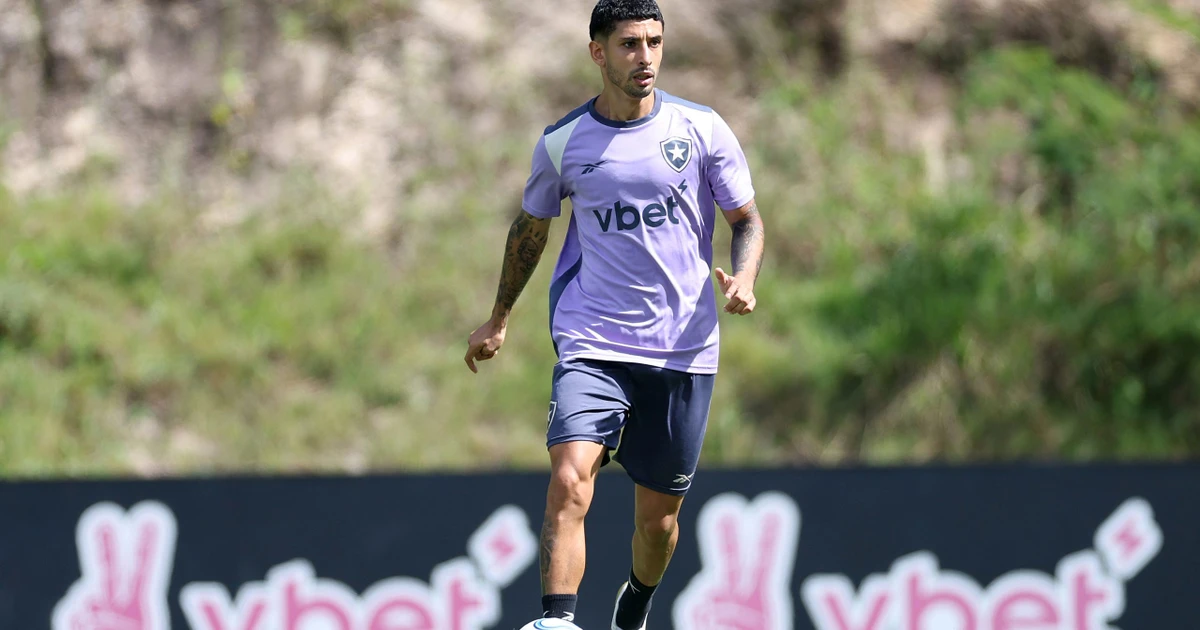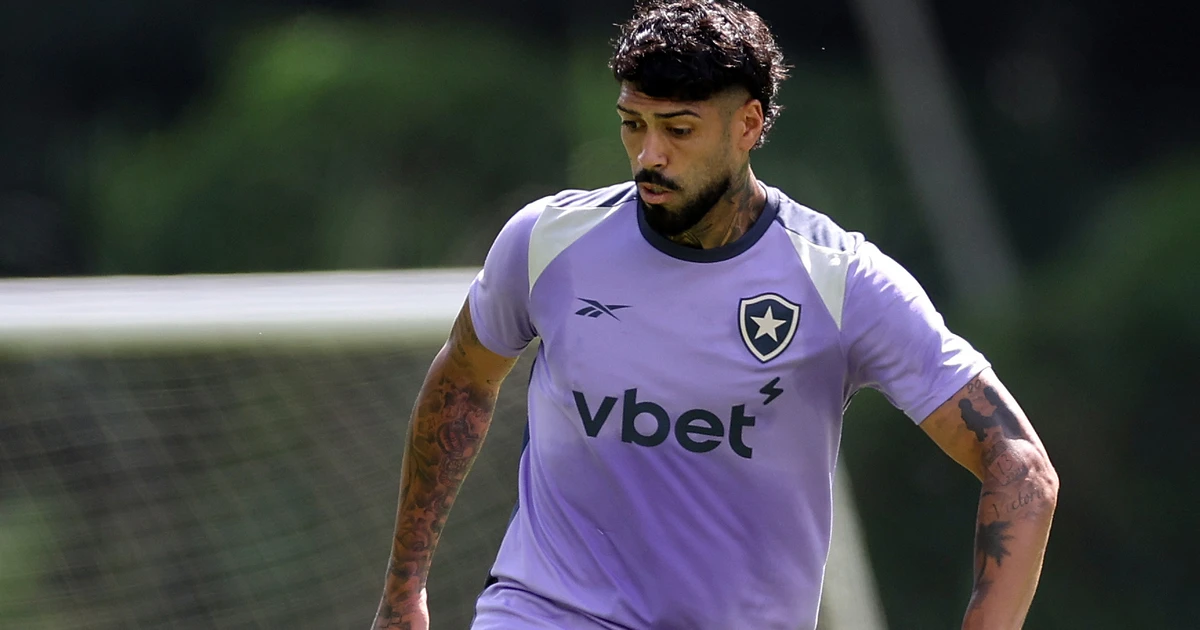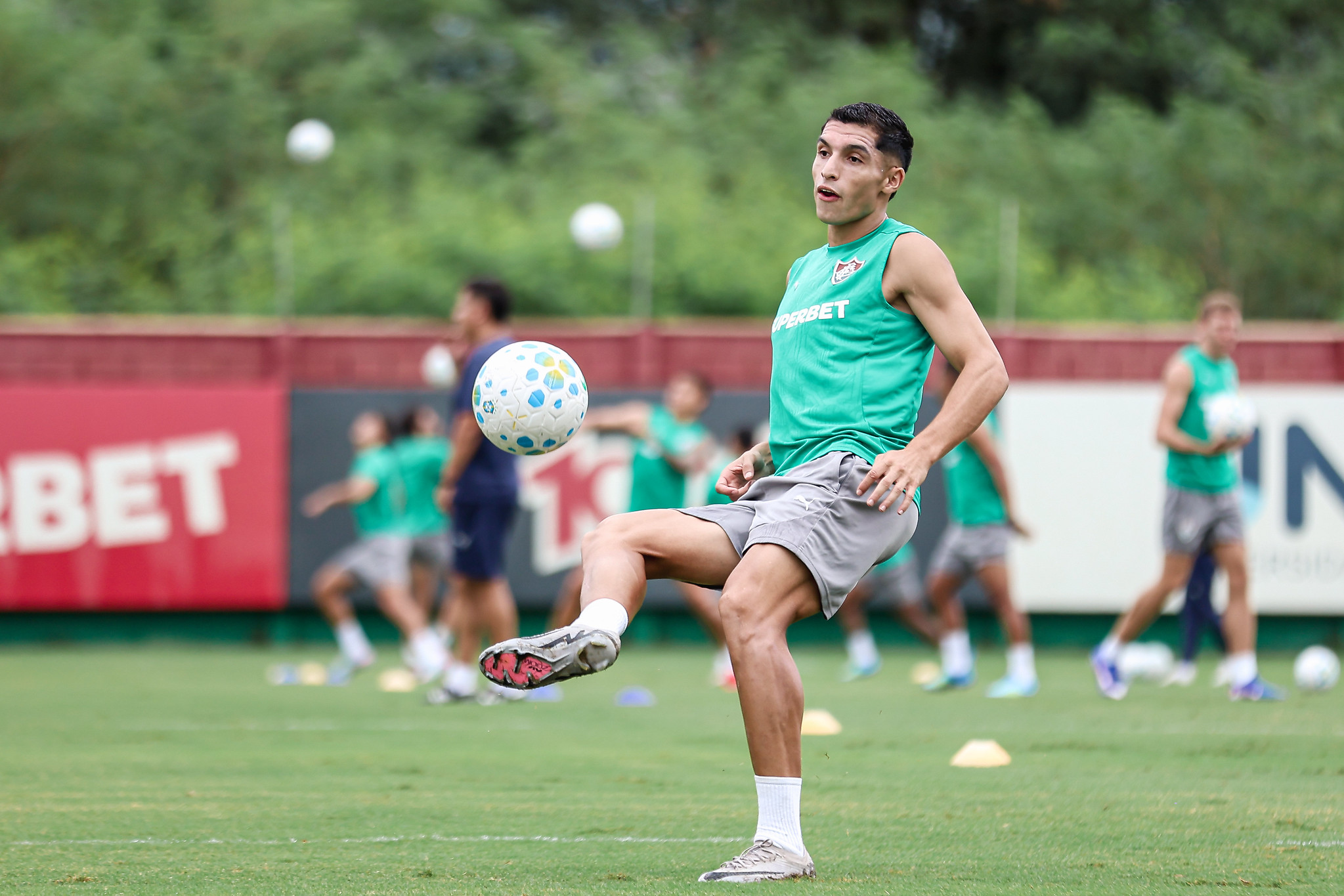
Sunday’s Fla-Flu at the Maracanã, kickoff at 6pm, isn’t just another derby on the calendar. It’s a pressure cooker for Fluminense and a potential pivot point for Jogo Hoje’s Fluminense coverage, because the latest signal from training is loud: Kevin Serna worked with the main group and could start. Urgency? Absolutely. If the plan is to keep the top-of-the-table chase alive, you don’t wait around when margins are this tight.
The possible change in Fluminense’s attack
We’re talking about a forward decision with real, practical consequences. Serna stepping into the front line changes the way Fluminense handles the transition ofensiva, how they hunt space after turnovers, and how they build an ataque posicional when the match slows down. That’s the difference between “having options” and actually having a system that hits harder in the derby’s toughest moments.
And here’s the tactical wrinkle: Savarino also took part in the main-session work. He’s been a regular since the end of the Campeonato Carioca. So why does Serna’s reps matter? Because the coach’s choice will decide whether the Tricolor attack leans into mobilidade no último terço and quicker reads behind the line, or sticks to a more familiar rhythm. In a match like this, rhythm is everything—especially when pressão pós-perda triggers the first domino.
Why Serna is gaining momentum for Fla-Flu
From what we understand, Serna’s training slot among the starters isn’t just a courtesy cameo. It suggests the staff sees him as a more dynamic answer to Flamengo’s defensive behavior—particularly when the match becomes stretch-and-punish. If the Tricolor want to turn defensive moments into immediate threats, Serna can offer more encaixe tático for the way the team wants to arrive in the box: faster, sharper, and with better timing.
Also, don’t ignore the simple matchup logic. Flamengo tend to live on reactions in space—so you either feed the reaction with quality movement or you get stuck watching the game happen in front of you. Serna’s presence points toward more threat generation through ocupação de corredor and diagonal intent, not just waiting for the ball to come to you.
So yeah, we’re not pretending this is “just” a name to keep an eye on. This is a decision that can rewrite the derby’s first 20 minutes.
What changes with Serna or Savarino
Let’s get specific. The likely XI being circulated has Kevin Serna (Savarino) listed as the forward option, which tells you the staff is treating this as a controlled rotation rather than a chaotic shake-up. Tactically, though, the impact is anything but small.
- With Serna: expect more aggressive carries and sharper movement to disturb Flamengo’s defensive spacing. That supports mobilidade no último terço and helps Fluminense attack the space between fullback and center-back, feeding a faster transição ofensiva when the press forces mistakes.
- With Savarino: the Tricolor keep a more established attacking rhythm, likely leaning into clearer patterns and execution. Savarino’s familiarity can be useful when Fluminense want to protect structure first, then build an ataque posicional with less risk.
- For Zubeldía’s plan: the choice affects how the team manages pressão pós-perda triggers and how quickly the front line turns chaotic moments into clean chances. Serna’s profile generally offers more immediate threat when the game opens up, while Savarino can help stabilize if the match tightens.
Either way, the real test will be how well the chosen forward connects with the midfield and wide lanes—because the derby will be decided by which team wins the micro-battles in the half-spaces.
The importance of the classic for the table
This isn’t a “nice-to-have” match. It’s a table-defining clash. Fluminense drew their last game, and the gap to Palmeiras has grown to five points. If that number stretches further, the chase becomes a grind. Meanwhile, if Flamengo win, they can leapfrog the Tricolor. You don’t need a calculator for that—just a sense of urgency.
So when Serna’s name rises in training, it’s not a random rumor. It’s a tactical response to a standings reality: Fluminense need goals with intent, not just possession with hope.
Probable Fluminense lineup
Based on the current training indication, the Tricolor could line up with: Fábio; Samuel Xavier, Jemmes, Freytes and Renê; Martinelli, Hércules and Lucho Acosta; Canobbio, Kevin Serna (Savarino) and John Kennedy.
The big question is how the coach wants the first wave of pressure to translate into chances—because the derby’s tempo will decide whether Fluminense can sustain pressão pós-perda and keep the attack moving with encaixe tático and purpose.
O Veredito Jogo Hoje
We’re backing Serna as the more dangerous lever for this specific Fla-Flu. If Zubeldía wants the team to punish transitions, stretch the lines, and keep Flamengo uncomfortable with constant threats in the final third, Serna fits the job description better than a “known quantity” approach. Savarino may be steady, but the derby demands a little more bite—more mobilidade no último terço, more corridor occupation, more speed in the decision. This is the kind of match where the right forward doesn’t just fill a spot; he flips the whole attacking rhythm. — Jornalista Analista Tático, JogoHoje
Perguntas Frequentes
Kevin Serna will be a starter in the Fla-Flu?
He has strong chances based on training with the main group, but it’s not confirmed yet. Savarino also trained with the starters, so the final call could still depend on matchday details.
Who could make way for Serna in Fluminense?
The current indication points to Savarino as the one who could be displaced, with Serna entering the forward line.
What time is the Fla-Flu and where will it be played?
The match is scheduled for 6pm on Sunday at the Maracanã.