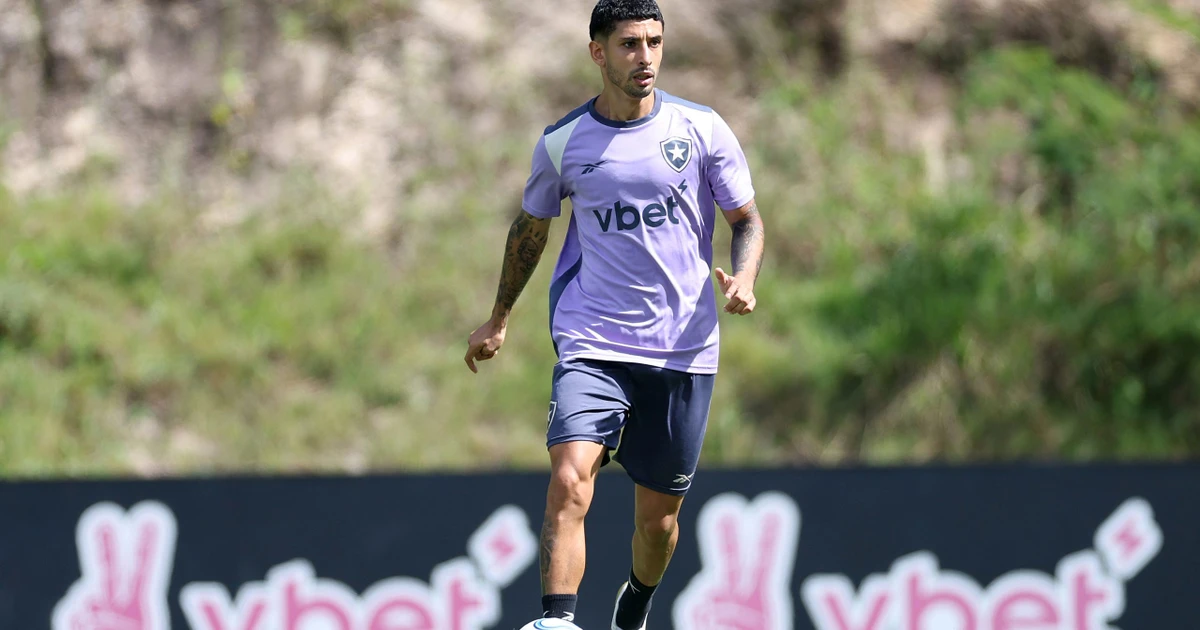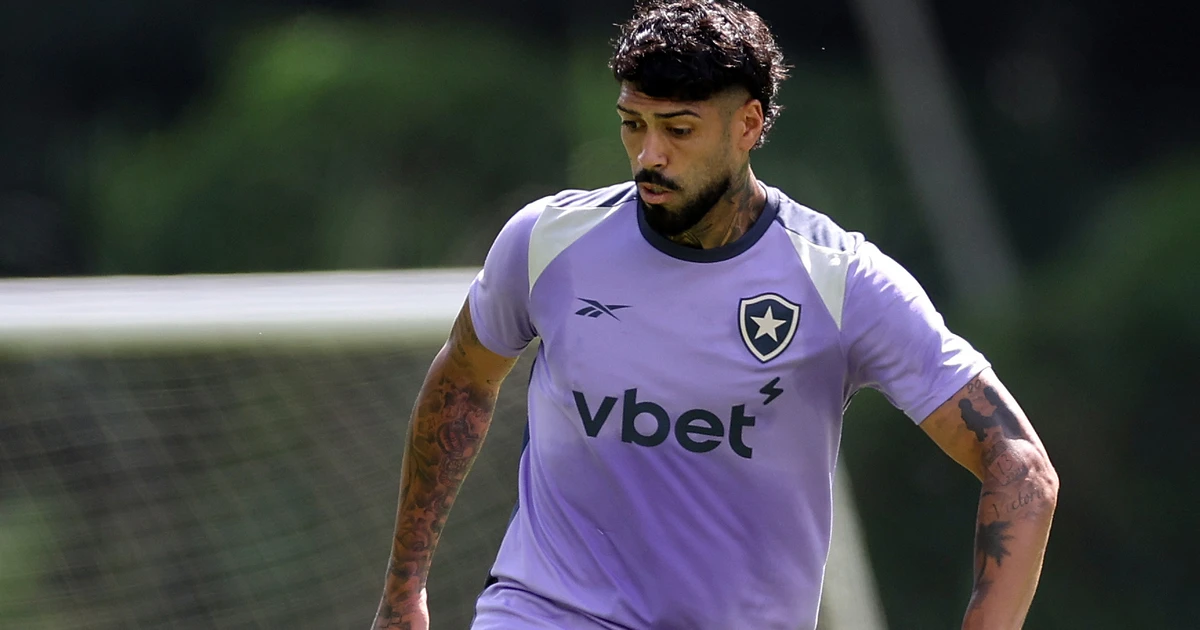
After Fluminense’s 1-2 loss to Flamengo at the Maracanã, the debate around the postponed game has turned into something more combustible than a simple “bad timing” story. According to our reporting, the Jogo Hoje team has been tracking how this decision was communicated inside the club and how it landed with the dressing room.
And that’s exactly where Samuel Xavier chose to put the spotlight: not on tactics, not on effort, but on decision-making, responsibility, and whether the people affected most were actually part of the process.
Samuel Xavier speaks right after the Maracanã defeat
Speaking in the mixed zone, Samuel Xavier didn’t dress it up. He explained that the players were essentially kept outside the decision, even if the squad still owns the performance on the pitch.
“The players had zero voice about this. It was decided beforehand,” Xavier said. “We found out the next day that the match had been moved, but there’s no excuse for us. We know it’s hard to postpone a Brasileirão fixture, of course, but it’s not on the players to get involved in this issue, which is so controversial. That’s on them, not on us.”
Then he added the part that turns the legal argument into a sports one: the calendar changed, the preparation changed, but the team can’t hide behind it.
“Actually, it wasn’t about thinking of a day off. It was about the Libertadores match. Sure, we would have an extra day to recover. But those things don’t go through the players. We can’t even offer an opinion. Our role is to show up for the game. We had to play, and it didn’t even give the player space to have a say.”
What he said about the postponement and the lack of player voice
From a governance standpoint, Xavier’s complaint is straightforward: a adiamento de clássico should involve consulta entre clubes, yes, but it also has to be handled with legitimacy inside each institution. When the decision is communicated after the fact, it doesn’t just change kick-off times; it changes how the week is managed.
In practical terms, this touches three pressure points that a squad lawyer would flag instantly:
- Physical preparation: an extra window can alter training load, intensity, and tactical repetition.
- Muscle recovery: time off or time-shift isn’t a gift; it’s a variable that affects readiness and injury risk.
- Squad management: rotation planning, minutes management, and who gets the “real” work all depend on how the week is built.
So when Xavier says “we had zero voice,” he’s not claiming Flamengo “cheated” or that Fluminense’s loss was predetermined. He’s disputing the process itself. And in modern football, process is part of performance.
Still, he draws a hard line: “no excuse for us.” That’s the key distinction. The grievance is institutional, not an attempt to launder blame.
Zubeldía’s reply and Fluminense’s institutional position
Coach Luis Zubeldía, asked about the postponement in his press conference, took the opposite angle: he acknowledged responsibility for the defeat, and he argued the calendar shift didn’t influence the outcome.
“When a team doesn’t win, especially a derby, we point fingers to explain the defeat,” Zubeldía said. “But this defeat wasn’t about that. Our part is to think about the match, and we did. We had a poor first half, with many mistakes. I assume responsibility. The board has its arguments.”
Then he closed the door on the idea that the delay was a factor:
“I would never put this defeat on that topic. Regarding Wednesday’s match, the players are ready to play. Against Santos, we’ll see what decision to take. The change didn’t influence anything about what happened.”
In other words, Fluminense’s position is that the football was the football, regardless of timing. But here’s the uncomfortable question: if the change truly had no effect, why does it feel like everyone is discussing the decision legitimacy instead of only discussing the match plan?
That’s where Xavier’s words sting. Not because they’re dramatic, but because they force the club to confront the gap between what the institution controls and what players experience on the ground.
How the Fluminense calendar amplifies the pressure around the episode
This isn’t just about a derby weekend. It’s about what comes next, and how a delayed fixture can create a calendar advantage narrative even when clubs insist it’s neutral.
Fluminense now has to switch gears quickly. The team returns to action on Wednesday at 21:30 at the Maracanã, facing Fluminense’s Libertadores opponent, Rivadavia. Then, their next Brasileirão match is on Sunday at 16:00 Brasília time against Santos at Vila Belmiro.
That rhythm matters. A postponed derby doesn’t live in isolation; it reshapes the week, the preparação física, and the sequencing of training, recovery, and tactical cues. If a club consults partners and agrees on dates externally, fine. But internally, every coach and analyst knows that timing changes everything: the rhythm of training, the load management, and the mental reset.
So even if Zubeldía insists the change didn’t influence results, the timing itself can still influence how the squad is managed. And that’s the tension: legitimacy and institutional communication versus the athlete’s lived reality in the mixed zone.
What’s next: Libertadores and Brasileirão
With Wednesday’s Libertadores match against Rivadavia looming at 21:30, the immediate task for Fluminense is to protect the group’s focus. The dressing room can’t afford a second debate to swallow the second match.
Then comes the Brasileirão trip to Vila Belmiro for Sunday’s 16:00 clash with Santos. The question for Zubeldía won’t be “did the postponement matter?”—he’ll answer that the way he already did. The real question is whether the week’s altered workload forces a different gestão de elenco plan than he wanted.
In a season where Libertadores intensity punishes dead legs and sloppy recovery, how the staff manages minutes after a derby loss could become the real headline.
O Veredito Jogo Hoje
Here’s our call, plain and heavy: you can’t sell a postponement as “just logistics” if the players feel they had zero say. Xavier isn’t blaming the defeat on the calendar; he’s challenging the legitimacy of how the decision was handled. And as an advocate for competitive fairness, I’d argue that process failures always show up somewhere—if not on the scoreboard, then in trust, preparation rhythm, and squad management. Zubeldía can demand accountability for the mistakes, but the institution still owes clarity. No amount of “it didn’t influence” can erase the fact that the mixed-zone testimony exposed a broken line of communication.
Perguntas Frequentes
Why was the Fla-Flu derby postponed?
The postponement was triggered by Flamengo’s delay in returning to Brazil after playing in Peru for the Libertadores. The derby was moved from Saturday to Sunday, following a consultation in which Fluminense agreed to the change.
Did Fluminense’s players take part in the decision?
According to Samuel Xavier, the players had zero voice and only learned of the change after it was already set. The coaching staff later argued the change didn’t affect performance, but Xavier’s point focused on the decision process and legitimacy.
What is Fluminense’s next match after the derby?
Fluminense plays in the Libertadores on Wednesday at 21:30 at the Maracanã against Rivadavia. After that, the next Brasileirão fixture is on Sunday at 16:00 Brasília time against Santos at Vila Belmiro.