Brad Friedel didn’t just toss a hot take into the air. When he said he’s “happy not to have to make that decision” because Cristiano Ronaldo is in a decline, the real noise wasn’t the headline. It was the tactical question underneath, the one Roberto Martínez can’t dodge as Jogo Hoje keeps tracking through this World Cup build-up: what does a forward’s pressing after loss and function sem bola do to the shape, the distances, and the collective balance?
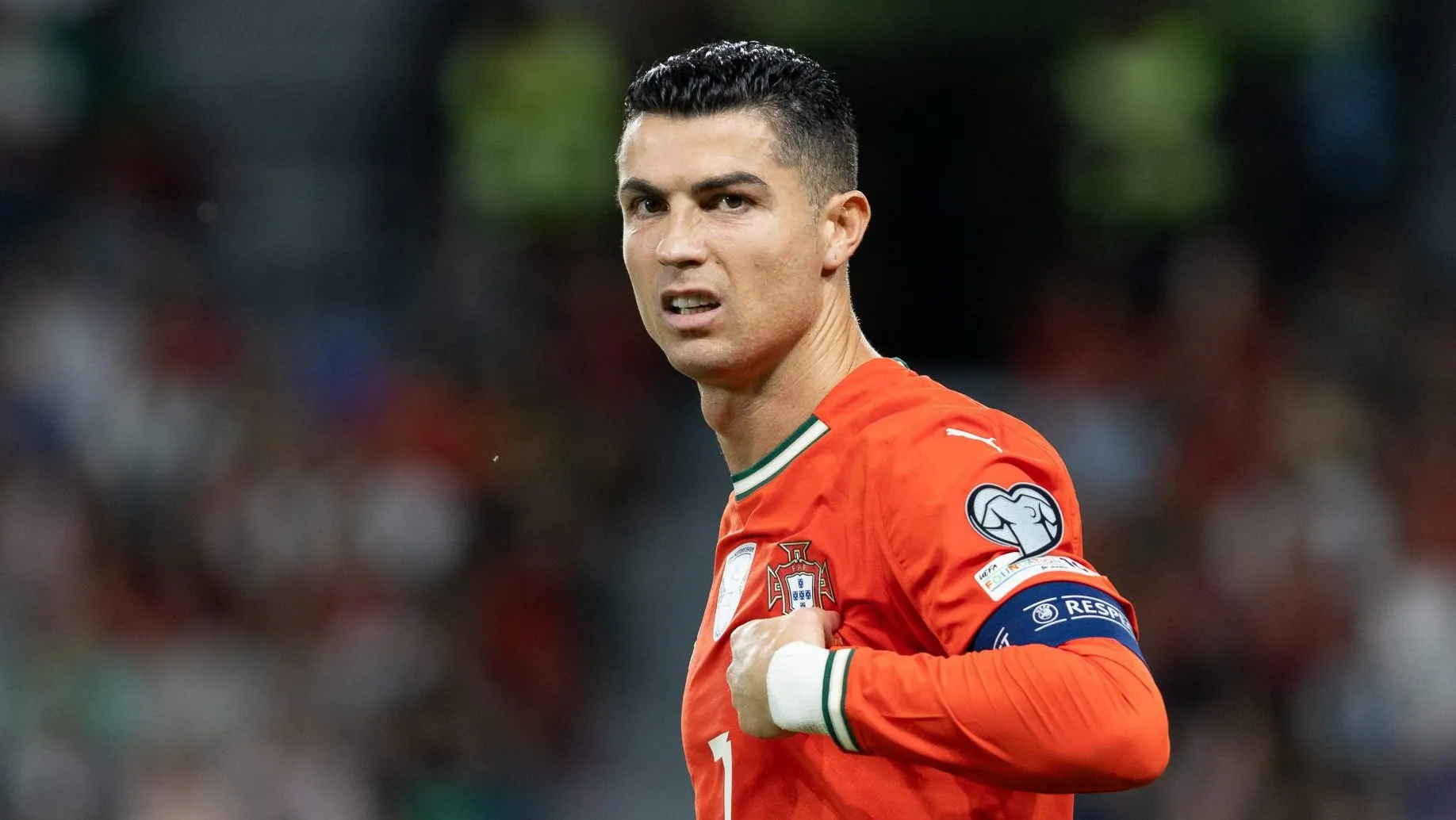
At 41, Ronaldo is still the historical reference point for Portugal, with 143 goals in 226 games. And in the current cycle he’s posted 25 goals in his last 30 Portugal matches. So yes, the debate is loud. But the real fork in the road is subtler: is the way Ronaldo attacks and defends making Martínez’s life harder against the world’s best, or is Portugal simply asking him to do a job that doesn’t fit his current physical profile?
What Brad Friedel said and why it gained traction
Friedel, speaking to talkSPORT, started with a respectful premise: all players eventually have to step away. He even praised Ronaldo’s physical and technical readiness. But then he zeroed in on the thing coaches feel in their bones—the way a player’s game changes with age.
His key line was about the collective cost. Friedel argued that there comes a point when a player can become “harmful” to the team’s overall work, especially in the defensive coverage and team coordination needed at elite tournaments. Yet, in the same breath, he admitted the brutal reality: you can’t bench a player like that without inviting a media earthquake.
And then he brought Messi into the conversation, not to compare legacies for fun, but to compare management problems. Friedel’s point was simple: you can’t leave either of them out without everyone talking about it—right up to the World Cup.
Why Cristiano Ronaldo still weighs on Portugal
If you’re a tactical analyst, you don’t pretend the numbers don’t matter. They do. Ronaldo’s output for Portugal stays high, and that keeps him inside Martínez’s “must-have” zone. But there’s also a structural reason.
Portugal still relies on the idea that Ronaldo can be a reference de área. Even when his speed to sprint after a turnover isn’t what it used to be, he can still influence the line of defenders with positioning, timing, and the ability to arrive at the right moment. That’s not just “goals.” That’s threat management.
In possession phases, Ronaldo’s presence can stretch the opponent’s back line and buy Portugal space for the next action. In transition moments, he can act as a target while the rest of the unit moves around him. And that’s where his movimentação ofensiva still matters—because it’s not only about running fast. It’s about making the game messy for the opponent’s marking assignments.
Still, the question remains: if you’re asking Ronaldo to do less defensively, can Portugal keep its shape without losing the distances that make the press readable and the counter-press coordinated? That’s where Friedel’s warning lands.
The Messi comparison and why the contexts feel different
Friedel’s Messi point is basically a tactical cheat code. He said Messi doesn’t defend, and therefore Argentina’s setup always allowed him to “float” while the team organized itself to defend. Whether you agree with the framing or not, the underlying logic is coaching gold: the best way to manage a superstar is to design a system where the team’s workload doesn’t collapse around that superstar.
Portugal can do that sometimes, sure. But here’s the catch: when you play against top-tier opponents and you’re defending with a shape that depends on coordinated pressão pós-perda, every player’s role becomes a piece in the puzzle. If one piece doesn’t move the way it’s supposed to, the picture changes.
Friedel’s core fear is that Ronaldo’s current defensive read may force Portugal to defend with a different structure than the one Martínez wants. And once you start defending differently, the whole attacking plan gets affected too. That’s the trade.
What changed in Ronaldo’s game since Real Madrid and Euro 2016
To understand the tactical complaint, you have to rewind to the evolution of his role.
Ronaldo’s transition from transição de extremo para centroavante began in the 2013/14 Real Madrid era under Carlo Ancelotti. It wasn’t a cosmetic switch; it was a functional reprogramming. As he became a more central striker, his defensive responsibilities shrank compared to the winger demands of defending space across the flank.
Zidane then consolidated that idea. By Euro 2016, Ronaldo was already operating with a clearer identity as an attacker of the central zone—an atacante de área who could influence the game with timing, acceleration to the line, and ruthless finishing. Friedel basically points to the same tactical truth: Ronaldo can “float” defensively in ways that make sense for the player’s strengths, but may stress the team’s collective rhythm.
So when Portugal asks him to fit into a modern defensive template, the tension shows up. Not because Ronaldo can’t play football. Because the modern game demands synchronized sprinting, angles, and an understanding of how the team triggers the next phase.
Gonçalo Ramos, internal competition, and the lack of an unquestionable replacement
Now let’s talk about the dilemma that really locks Martínez’s hands: benching Ronaldo isn’t just a tactical choice. It’s a high-risk political and performance choice.
Gonçalo Ramos has had his moments to stake a claim. But here’s what coaches fear in a World Cup cycle: if you rotate and the replacement doesn’t immediately bring the same threat profile, the whole attack can lose its anchor. And the numbers complicate the narrative.
During the post–World Cup 2022 talk, people expected it was only a matter of time before Ramos took the starting role. Yet as Ramos’s output dipped, Ronaldo’s stayed high. That’s the part few analysts want to admit out loud. If the alternative isn’t demanding a starting spot with certainty, why gamble with the system?
Also, Ronaldo’s skill set still covers more than people remember. Even when his top-end acceleration isn’t the same as in his peak years, his finishing, his ability to occupy space, and the way he manipulates defenders keep him in the “tactical necessity” category.
So yes, the question about titularidade absoluta is justified. But a coach can’t base the starting XI on a fear of a specific defensive workload alone. He needs an alternative that solves the problem without creating three more.
- Does the alternative offer the same referência de área?
- Does he match the same threat in the final third?
- Can Portugal maintain distances in the pressão pós-perda after turnovers?
- Will the equilíbrio coletivo survive the switch?
O Veredito Jogo Hoje
For us, the big tell is this: Friedel isn’t wrong about the tactical friction, but the conclusion doesn’t follow automatically. Ronaldo may have a different função sem bola than the team’s ideal press script, yet the system still needs his goal threat and central occupation to keep Portugal dangerous. Martínez’s decision is “travada” because there’s no internal option that is forcing the issue on all fronts. Until someone marries pressing discipline with a world-class goal ceiling, Ronaldo stays in the starting conversation—not as a nostalgia pick, but as a necessary tactical risk with payoff.
Perguntas Frequentes
What did Brad Friedel say about Cristiano Ronaldo?
He said he’s happy he doesn’t have to make the call because Ronaldo’s style has changed and he believes Ronaldo is in decline, emphasizing that his defensive workload and collective impact could be a problem—while also acknowledging Ronaldo still looks physically and technically capable.
Should Cristiano Ronaldo still be a starter for Portugal?
From a tactical standpoint, it’s complicated. Ronaldo’s defensive contribution may be lower, but his attacking threat and ability to play as an area reference keep him valuable. Unless Portugal has an alternative that preserves the team’s press structure and goal output, the starting role remains justified.
Who can replace CR7 in the Portugal squad?
Gonçalo Ramos is the most discussed internal alternative, but the debate is whether he can reliably match Ronaldo’s threat profile while also helping Portugal maintain pressão pós-perda and equilíbrio coletivo against elite opposition.