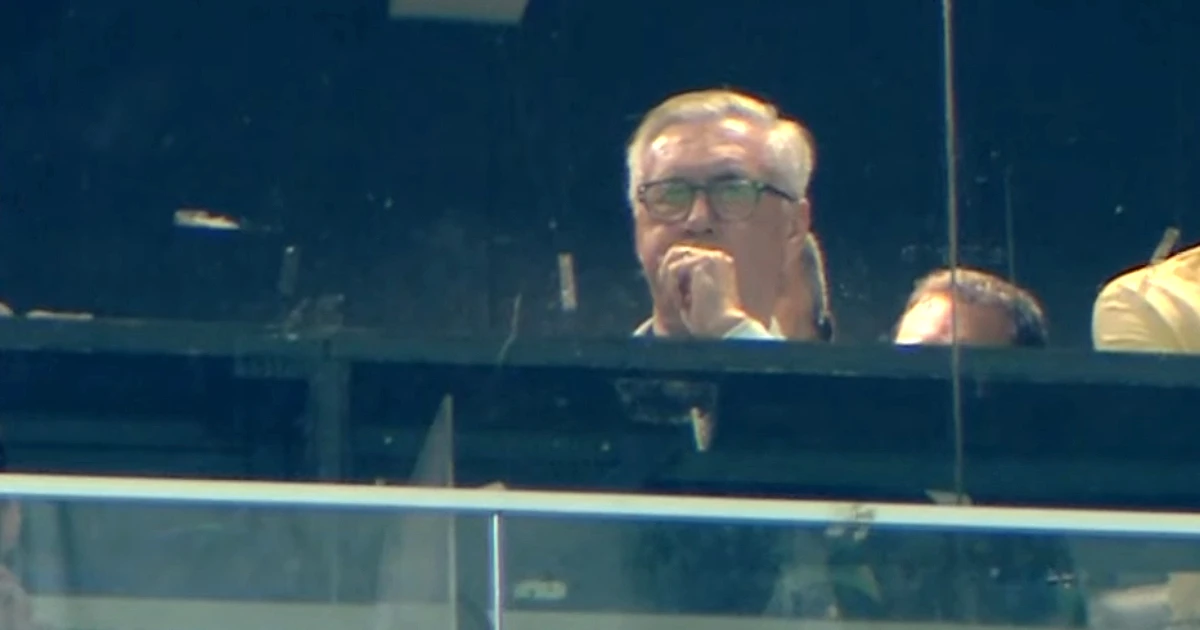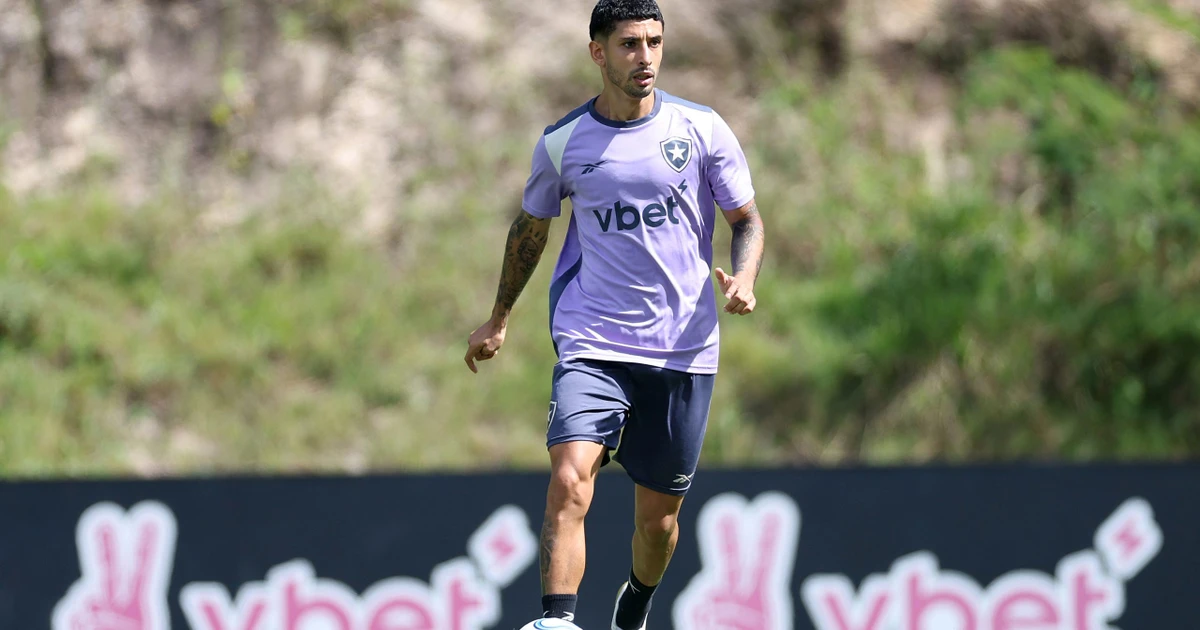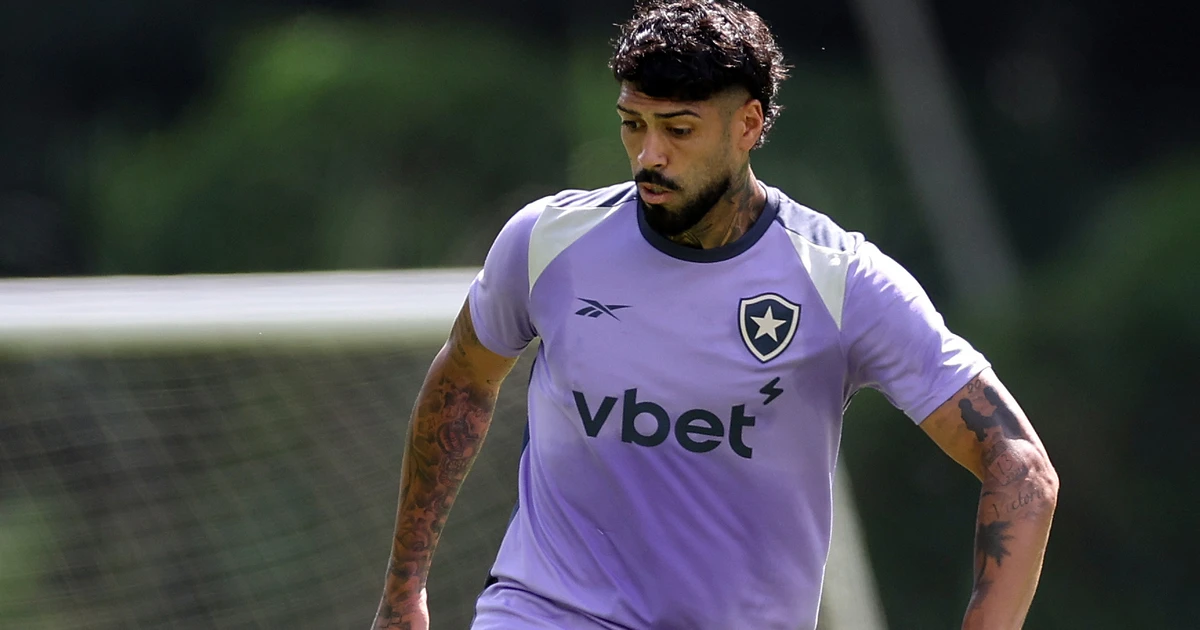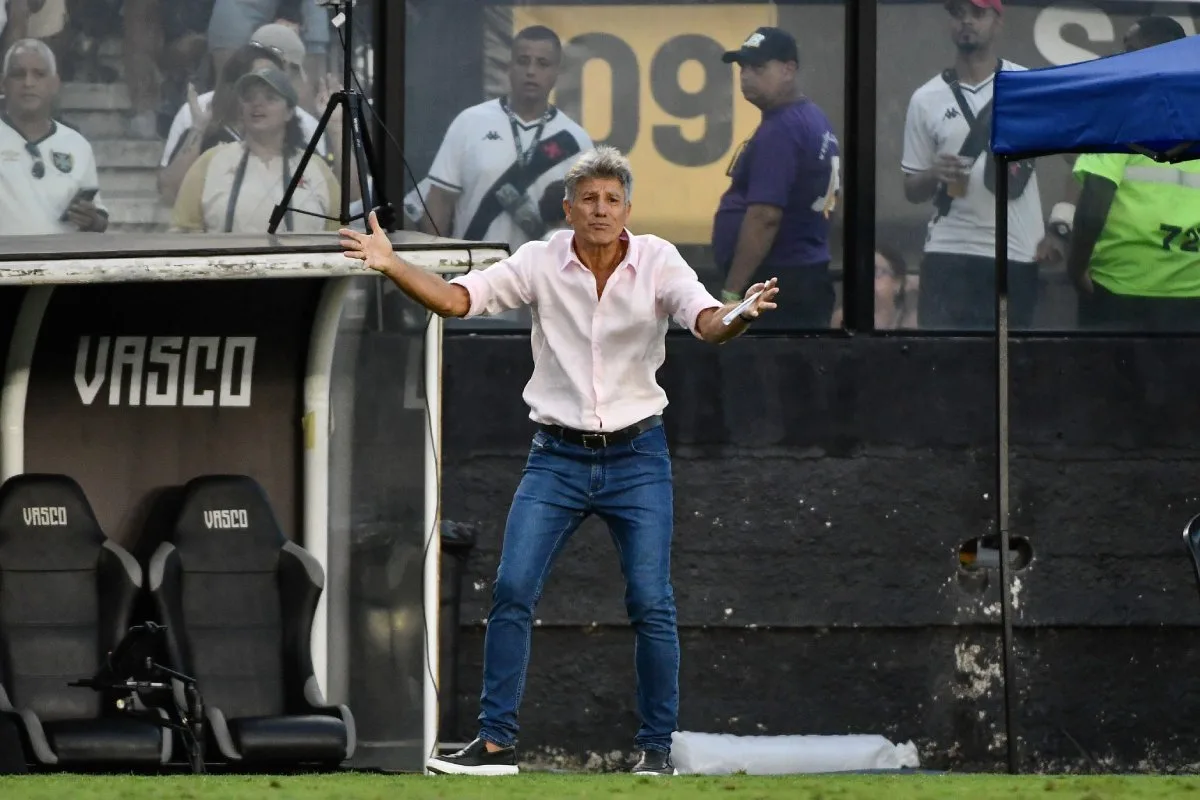
According to the match coverage on Jogo Hoje, Vasco’s 1-1 draw with Remo in Belém (Mangueirão) didn’t just feel like two points dropped, it felt like a pattern finally getting loud. Renato Portaluppi tried to put out the fire after the 11th round of the Brasileirão, but the frustration wasn’t about the calendar—it was about what kept happening at the back when the game should have been managed.
With 13 points in 11 games, Vasco sits mid-table and has now gone four matches without a win. And yes, the pressure is building: Renato had rotated in midweek due to the South American schedule, yet the team still conceded again late. That combination—desgaste físico managed poorly in perception, but tactical discipline managed poorly in reality—left him blunt in his response to the critics.
Renato’s words after the draw in Belém
Renato’s message was clear: when you rotate, you don’t magically erase collective problems in three or four days. The manager pushed back hard on the narrative that the result was simply “because of fatigue.” His tone wasn’t emotional for the sake of it; it was tactical, almost like he was reading the same game script back to everyone.
He pointed out the obvious logic: if the physical explanation were the real switch, every coach who rotates would enjoy a perfect bounce-back. But football doesn’t work like that. The team’s issue wasn’t purely the workload—it was the moments that break structure, especially when concentration drops and the plan stops being executed.
And then there was the part that stings: Vasco didn’t lose the match “because of the physical side.” Renato basically said, “We’re not hiding behind the schedule.” Instead, he redirected the spotlight to the collective errors that keep turning into goals conceded.
Why the physical justification lost credibility
Let’s talk about cause and effect, not excuses. Vasco’s rotation—sparked by the Copa Sul-Americana midweek—was always going to bring changes. But rotational football only works when the team keeps the same defensive geometry, the same triggers, and the same timing in the transição defensiva.
Rotation isn’t a free pass to lose your shape. The gestão de elenco might be necessary, and the rodízio de titulares can protect legs across a marathon, but it cannot protect the team from repeated errors if communication, spacing, and decision-making aren’t coached to survive a different lineup.
In games like this, the key is how you respond after you’ve made your defensive decisions. If your press is late, if your first line gets bypassed, if your second line isn’t stepping as a unit, the match becomes a sprint you didn’t train for. Renato’s point is that the pitch didn’t betray him because the players were tired—it betrayed him because the team kept letting the same defensive vulnerabilities appear, regardless of personnel.
And yes, there’s also the timing. When you’re juggling the Copa Sul-Americana and the Brasileirão, you’re building a schedule-shaped risk. But the risk becomes a habit only when the team fails to correct the underlying process during training sessions.
The recurring failures that worry the coaching staff
Renato’s biggest irritation wasn’t conceding. It was the reason Vasco conceded: not because the opponent was brilliant all night, but because Vasco’s own execution slipped. That’s the kind of problem no rotation can fix by itself.
He highlighted that Vasco has been taking goals that don’t come from “pure merit” by the opposition. That means the defensive problems are systemic—repeated lapses in positioning, coverage, and decision-making. When a team keeps leaking late, you can bet the issue is less about stamina and more about the game model breaking under pressure.
- Marking by zone that isn’t being respected when the ball moves quickly across the field, leaving soft lanes at the top of the box.
- Defensive transition moments where the first pressure is delayed, and the second defender arrives half a step late.
- Late-game attention dropping at exactly the stage where the match should become a controlled exercise.
- Collective spacing failing: lines drift, distances widen, and runners find the seams between the midfield and the back line.
This is where Renato’s insistence on “we train it” matters. He said the team had time on the training ground that week, and he showed videos of the right and wrong moments. So if the same defensive breakdown keeps showing up, the question becomes uncomfortable: are the players actually understanding the triggers, or are they repeating the same bad habits under the noise of the scoreboard?
Because in a jogo de controle, the whole idea is to reduce chaos. But Vasco’s recent games have looked like they’re constantly improvising their defensive responses—especially in the final stretch.
The effect of the result on the table and the atmosphere
Football is emotional, but tables don’t care about emotions. Vasco’s fourth match without a win has the club drifting in the middle of the standings with 13 points in 11 games, and that inevitably changes the room. When results stall, the margin for tactical error shrinks.
Then comes the media cycle and the fan frustration, and suddenly every decision becomes a referendum: rotation, lineup choices, substitutions, and—of course—the inevitable “why didn’t you protect the lead?” question.
Renato’s attempt to “blind the decision” to rotate by shifting focus to defensive organization makes sense. But it also underlines the real problem: the team isn’t just dropping points—it’s conceding in a way that makes supporters feel the same heartbreak repeating.
When goals are conceded late, it’s rarely a single tactical mistake. It’s usually the sum of small failures: communication, body language, and the willingness to do the unglamorous work of staying compact.
What’s next: Audax Italiano and São Paulo
Next up, Vasco takes on Audax Italiano in the Copa Sul-Americana before the big domestic test against São Paulo at São Januário.
That sequence matters because it tests Renato’s balance between protecting legs and protecting the game model. You can rotate the squad, sure—but you can’t rotate the defensive principles. The coaching staff will need to ensure that the marcação por zona doesn’t collapse under pressure, that the transição defensiva is triggered on time, and that the team can play a more composed jogo de controle rather than chasing the match’s tempo.
Against São Paulo, you don’t get many second chances if your spacing goes missing. The “physical excuse” may be dead in Renato’s press conference, but the real test is whether Vasco can keep structure when the intensity rises.
O Veredito Jogo Hoje
Renato’s not wrong: the schedule doesn’t score late goals—Vasco’s defensive organization does. If the rotation is real, the solution has to be real too: sharper collective positioning, cleaner zone responsibility, and a faster defensive transition when the first plan fails. The irritating part for me is that the team doesn’t look doomed by fatigue; it looks undone by decision-making in the final phase. That’s fixable. And if it’s fixable, why does it keep happening?
Perguntas Frequentes
Why did Renato rotate the Vasco squad?
Because Vasco is juggling competitions and the coaching staff wants to manage workload across a tight calendar. Rotation is part of the gestão de elenco strategy, especially with the Copa Sul-Americana and Brasileirão overlapping demands.
Did the draw with Remo increase pressure on the coach?
Absolutely. A 1-1 at Mangueirão means another point dropped, and with Vasco now on a run of four matches without a win, expectations rise. Add in another late concession, and the debate becomes tactical, not just physical.
What are Vasco’s next matches?
First, Vasco faces Audax Italiano in the Copa Sul-Americana. After that, the team plays São Paulo at São Januário in the Brasileirão.