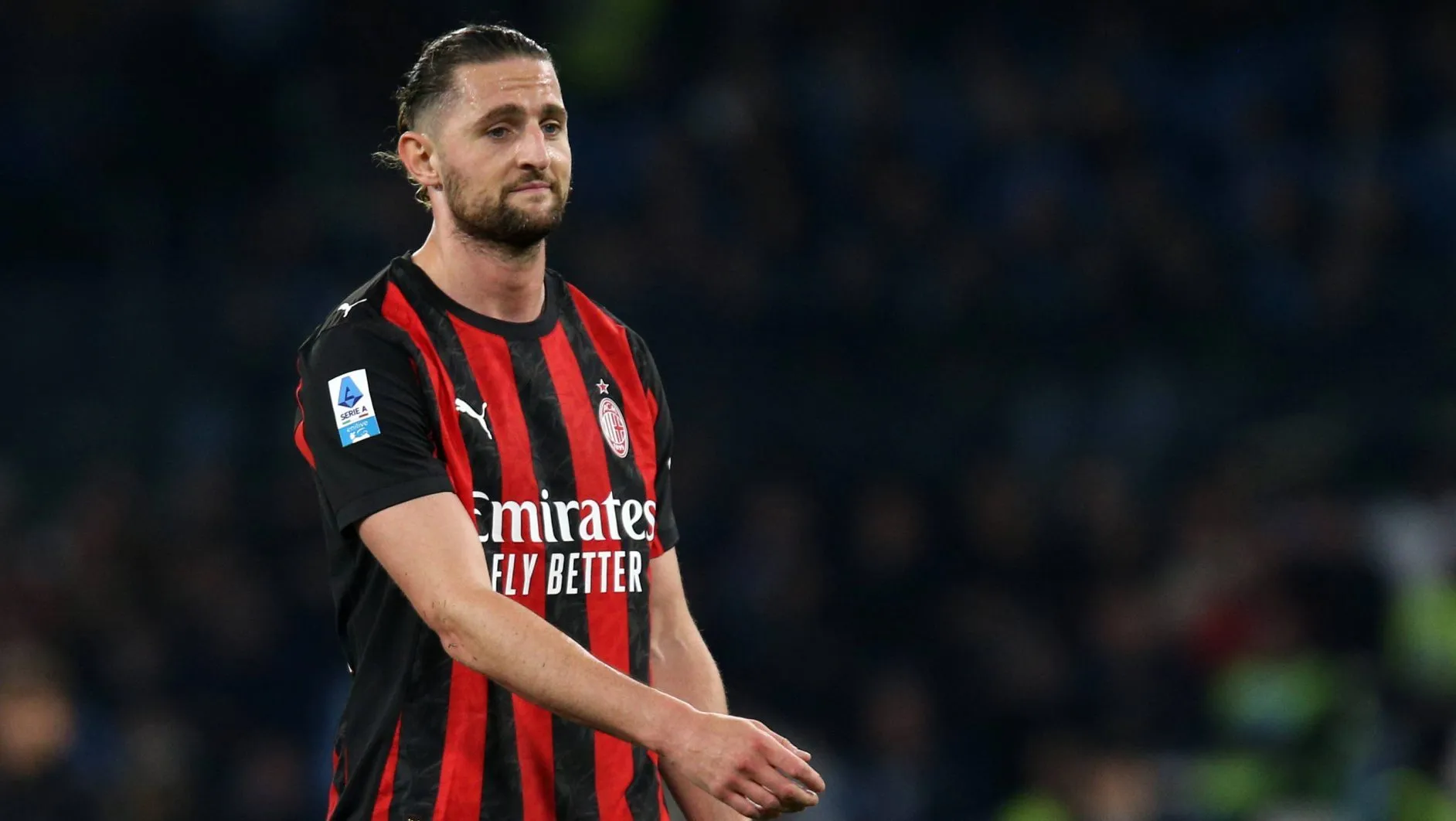
Jogo Hoje have a habit of cutting through the noise, and this time the noise came from the stands: Adrien Rabiot didn’t just talk after Milan’s 3-0 loss to Udinese at San Siro. He called out the way the crowd singled out Rafael Leao, and in doing so he accidentally exposed something bigger than a personal scapegoat.
Rabiot’s reaction to the San Siro boos
Rabiot said he understood the frustration, because a heavy defeat always stings. But what he couldn’t accept was the crowd’s focus on one player, as if the whole collapse could be blamed on a single name. That’s the emotional part. The tactical part is where the real story lives.
Milan were whipped 3-0 by the 10th-placed team, and the timing couldn’t be worse. They’d spent stretches of the season pushing for the Serie A top spot against Inter de Milão, and now the Champions League picture is wobbling. Four straight matches without scoring, three defeats in their last four, and a team that looks increasingly uncomfortable when the game turns chaotic? That’s not a “Leao problem.” That’s a system problem.
Rabiot’s message was blunt: support the players, don’t single them out. Yet the same night the stadium booed, Milan’s football also looked boo-worthy from a tactical standpoint. Slow starts, slow circulation, and a pattern of defensive breakdowns that punishes you every time the opponent nudges the right buttons.
Why Leao became the main target
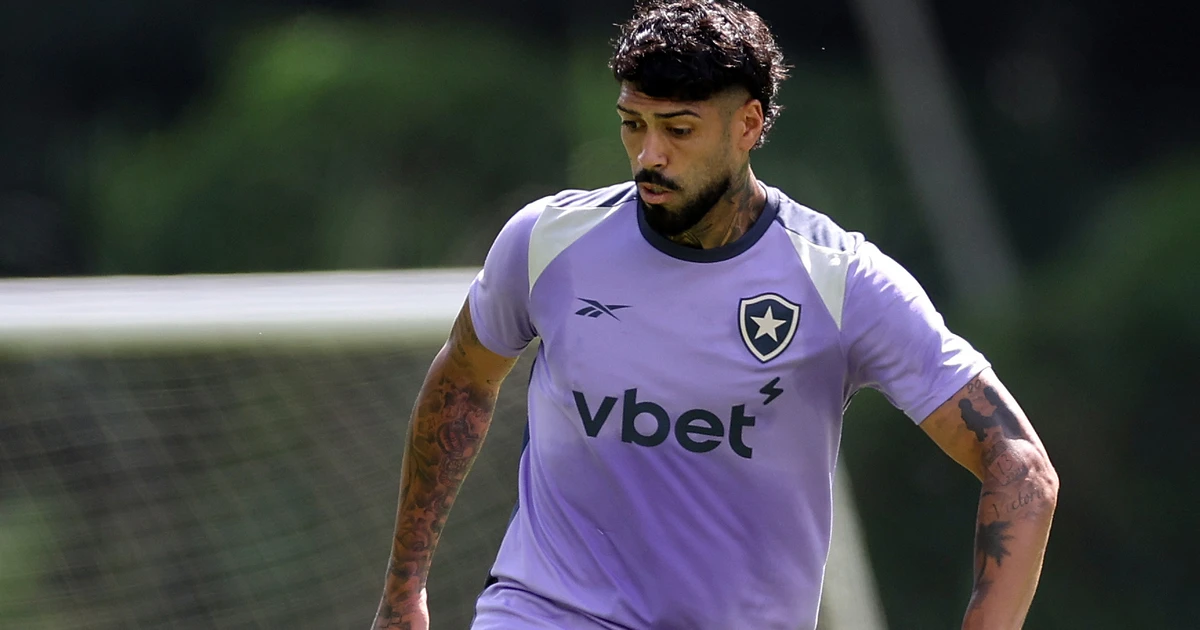
Leao was the focal point of the crowd’s anger, and you can see why people reached for him. He was involved, he kept getting touches, and he still couldn’t land the decisive finishing. In 77 minutes, he produced 50 touches and eight shots, but none were on target. That stat line reads like frustration condensed into one player’s night.
Allegri tried to calm the temperature. He pointed out that Leao had two decent chances as a mobile centre-forward, and that when spaces are tight, dribbling becomes a luxury. But the coach also admitted the bigger issue: Milan need to do different things in attack, not just rearrange bodies and hope the same problems magically solve themselves.
And here’s the crux: in games where Milan’s circulation gets stuck, the forwards end up isolated. The opponent invites the ball, sets a block low, then waits for the moment to pounce on a transition offensiva you can’t execute cleanly. When that happens, even a talented winger/forward becomes a passenger in a traffic jam—lots of touches, not enough quality, and finalização sem direção when the shot comes late and rushed.
What Allegri admitted about Milan’s crisis
After the match, Allegri basically confirmed what the video replays were already screaming. He didn’t hide behind “one bad day.” He framed it as a moment of dysfunction.
His diagnosis was tactical and uncomfortable: Milan defended with desorganização defensiva. More specifically, he pointed to goals that came with recomposição atrasada, meaning the team’s shape didn’t get back in time to protect the dangerous zones. In other words, Milan weren’t just conceding. They were conceding with the kind of timing errors you can’t coach out of a system overnight.
He also went after the tempo. Milan looked slow in circulação lenta da bola, and the attack only got “good solutions” when they had patience enough to turn the ball properly. That’s a classic sign of a side struggling to play through pressure: when the first pass is late or the second pass is predictable, the opponent’s defensive structure holds, and your transição ofensiva turns into a hopeful walk toward the box.
Put simply: the team didn’t control the game’s rhythm. It got dragged into Udinese’s comfort zone, and that’s where a bloco baixo becomes lethal against you.
The numbers that show the drop
Let’s talk about the cold stuff, because the cold stuff doesn’t care about vibes.
- Milan lost 3-0 to Udinese at San Siro.
- Rabiot spoke after the match at the home of the rossoneri.
- Rafael Leão recorded 50 touches and eight shots, with none on target.
- Leão played 77 minutes.
- Milan have lost 3 of their last 4 games.
- Milan are on a run of four matches without scoring.
- Milan have 63 points in the table.
- The Champions League race is open among five teams for three spots.
- Napoli are on 65 points, Juventus 60, Como 58, and Roma 57.
When you connect those dots, the story becomes clear. A team in a genuine crisis doesn’t just lose matches; it loses structure, loses timing, and loses the ability to create clean attacking rhythm. The boos might be the headline, but the underlying problem is football: desorganização defensiva, circulação lenta da bola, and a lack of sharp, coordinated moments to punish the opponent.
How the table puts the Champions League at risk
Here’s where the urgency kicks in. Milan look like they’re standing on the edge of a cliff in the briga por vaga na Champions. With 63 points, they’re still in the mix, but the margins are thin and the pressure is immediate.
Napoli (65) are breathing down their neck, Juventus (60) are still hanging around, Como (58) are close enough to bite, and Roma (57) are lurking. That’s five clubs orbiting the last three Champions League spots, and one swing in form can flip the order overnight.
When the squad can’t score for four straight games and the defensive timing is off, you don’t need a conspiracy. You just need the next opponent to play with discipline and speed, then punish you in the spaces you leave behind. Milan already showed they can be hurt “from inside,” as Allegri put it: the opponent doesn’t need to dominate possession to break you. They just need moments, transitions, and the right finishing.
O Veredito Jogo Hoje
We’re going to say it plainly: the boos were a distraction, not a solution. The real alarm is that Milan’s football looks uncoordinated, from the recomposição atrasada that gets them punished to the circulação lenta da bola that kills their ability to build momentum. If this is the “support” the squad gets, then the coaching staff has to provide the structure—because right now the team is playing like it’s waiting for permission to function. The crowd can boo Leao; Milan still have to fix the system.
Perguntas Frequentes
Why did Rabiot criticize the Milan crowd?
Rabiot said he understood the boos because the defeat was heavy, but he didn’t agree with the crowd targeting Rafael Leao specifically. He argued the team should support players together, not isolate one individual after a loss.
How many games has Milan gone without scoring?
Milan are currently on a run of four matches without finding the net.
Can Milan still miss out on the next Champions League?
Yes, they can. With 63 points and a three-spot race involving five teams, the margin is tight, and Milan’s scoring drought plus defensive issues make qualification far from guaranteed.