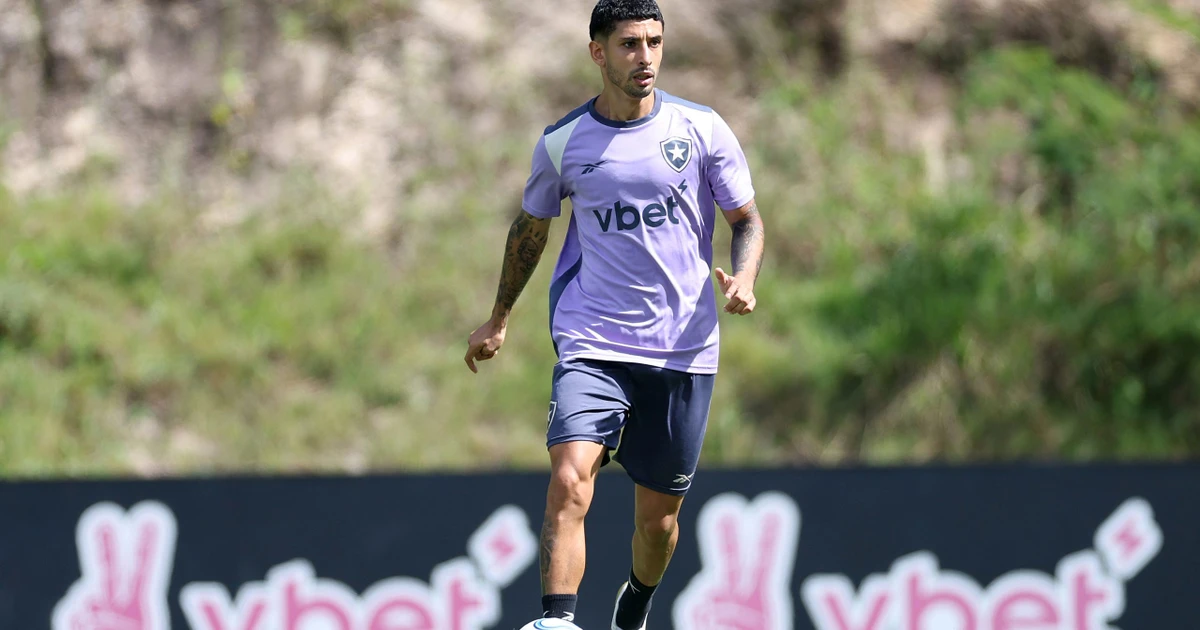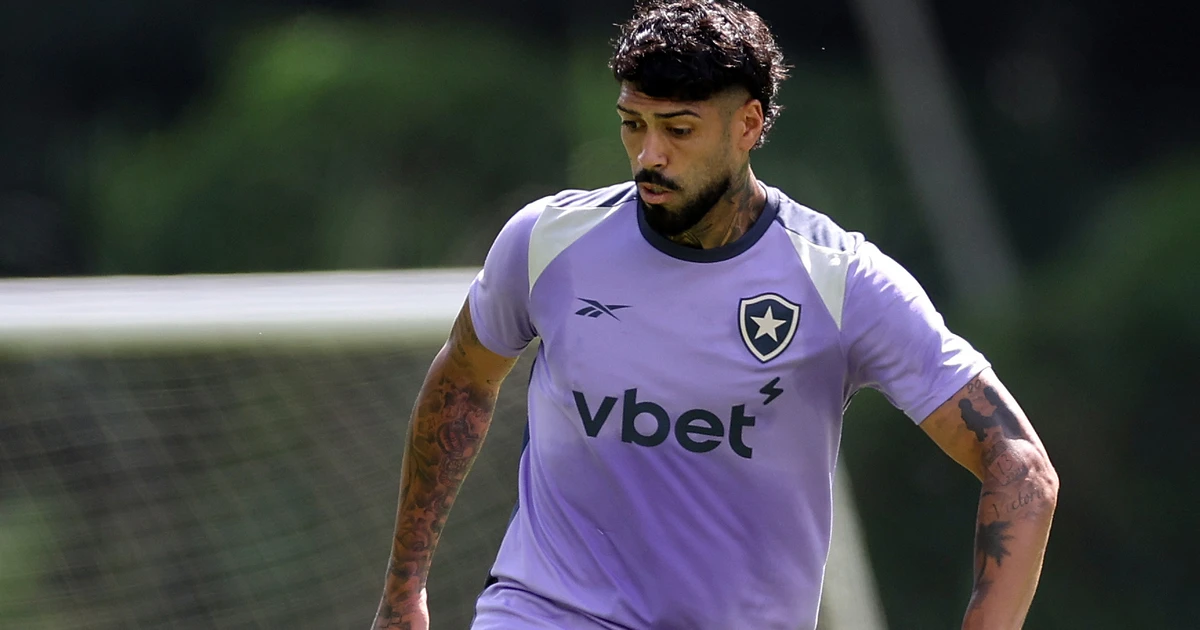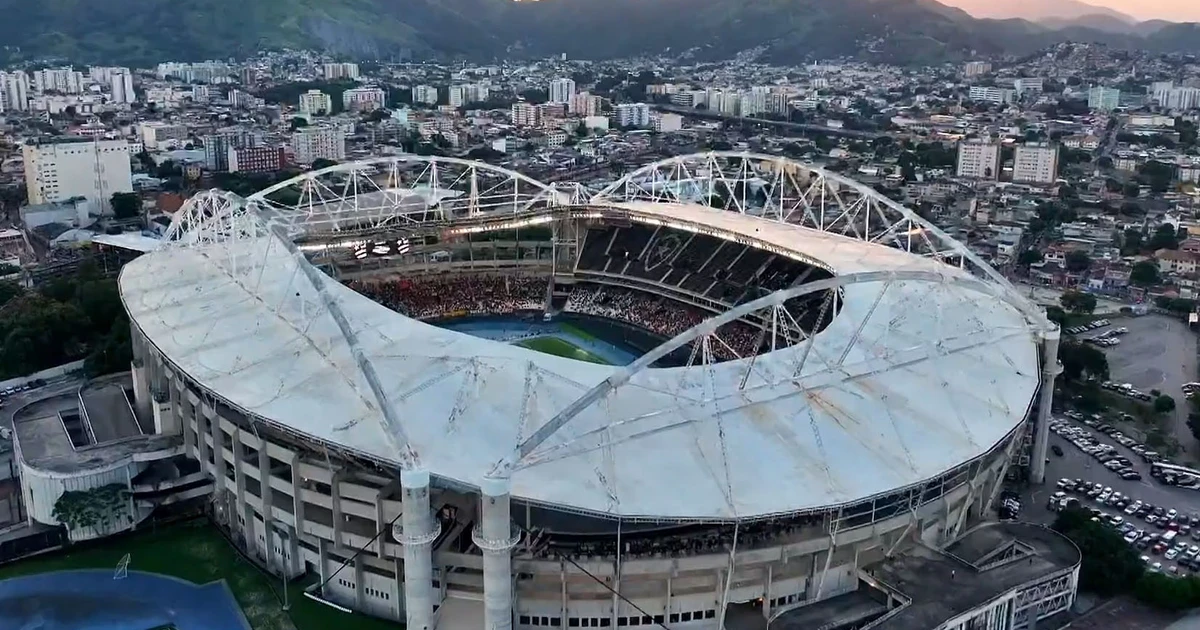
Sunday in Rio doesn’t look like a normal matchday. The Polícia Militar is lining up a megaoperation for two major fixtures on the same day: Flamengo vs Fluminense (the Fla-Flu) at 18:00 at the Maracanã, and Botafogo vs Coritiba at 16:00 at the Nilton Santos. According to Jogo Hoje reporting, the plan is the kind of esquema de segurança you don’t usually see when the calendar stacks two blockbuster crowds within the same day.
And here’s the key tactical-logistics angle: the stadiums are only 8 km apart, yet the PM is treating this like a coordinated event, not two separate matches. That’s where the institution is effectively saying: we’ll bend the usual rule if the conditions demand it.
What happened: two headline matches on the same Sunday
The headline numbers are stark. The total deployment is over 1,000 officers, split between the two venues. For the Fla-Flu at the Maracanã, 715 police are assigned. For Botafogo vs Coritiba at Nilton Santos, 290 officers are assigned. The match times also overlap the operational window: Botafogo’s game kicks off first at 16:00, then the Maracanã takes over at 18:00. If you’re thinking “that’s a tight turnaround,” you’re reading the situation correctly.
In addition to the plainclothes and visible units, the PM will mobilize specialized groups including Bepe, the Batalhão de Polícia de Choque, the Canine unit, the Batalhão Tático de Motociclistas (BTM), the Grupamento de Policiamento Ferroviário (GPFer), and local battalions covering Tijuca, São Cristóvão, and Méier.
Why the PM made an exception to the usual rule
Normally, the PM doesn’t authorize two major matches in Rio on the same day. So what changed? A request from Flamengo—and the ripple effect of scheduling chaos.
The report points to a delayed return from Peru after the team faced Cusco in the Libertadores. The travel delay is estimated at about 1 hour 30 minutes. The Fla-Flu was originally set for Saturday, but with the delay eating into the club’s preparation window, the match was remapped to Sunday. Fluminense agreed to the shift, and with PM’s approval, the CBF confirmed the change.
As an analyst, I’ll say it plainly: this isn’t just “calendar adjustment.” It’s an institutional handshake between match authorities and public safety, where the PM effectively re-engineers the esquema de segurança to match the changed risk profile. And yes, that includes procedures like reconhecimento facial as part of crowd management logic, alongside broader coordination structures such as GEPE.
The numbers of the operation: manpower, timing, and 8 km between venues
Let’s get quantitative, because the tactician in me can’t help it. The deployment is built around an idea: control the flow before it becomes noise.
- Over 1,000 officers in total
- 715 officers for the Fla-Flu at the Maracanã
- 290 officers for Botafogo vs Coritiba at Nilton Santos
- Stadiums separated by 8 km, so routes, transit pressure, and spillover risk are tightly linked
- Kickoff times: Botafogo vs Coritiba at 16:00, Fla-Flu at 18:00
- Change triggered by Flamengo after a Libertadores-related return delay of about 1h30
Specialized units like the shock police, canine team, and tactical motorcycle riders signal that the PM is preparing for friction points: entry lanes, exit waves, and the inevitable “who’s going where” confusion when two matchdays collide at close distance. If the crowd mix behaves differently, the response has to be modular, not improvised.
The impact on the calendar and the precedent being opened
Here’s the part that matters beyond Sunday night: the decision is being framed as a precedente regulatório. Once the PM makes a rare allowance, what stops future organizers from arguing “the same logic applies”? That’s the slippery slope in Brazilian football scheduling—authorities will point to safety capacity, and clubs will point to operational feasibility.
The story even draws a comparison to how logistics can swing match readiness in extraordinary ways. Recently, for example, Botafogo reportedly reached São Paulo only on the day of the match due to an aircraft issue. When these disruptions stack up, the league starts to look less like a fixed timetable and more like a negotiation table.
And that’s why this Sunday deserves attention from more than just fans. This is about how the football ecosystem adapts when the calendar can’t protect itself—and how the PM’s efetivo policial becomes part of the competitive machinery.
O Veredito Jogo Hoje
We’re watching a rare institutional flex: the PM is turning a rule-based system into a risk-managed one, and that’s exactly what a safety-driven league should do. But let’s not romanticize it—this is a warning label for Brazilian scheduling. If the calendar keeps forcing exceptions, clubs won’t plan better; they’ll just lobby harder. Sunday’s megaoperation may be smart, yet it also signals that the sport is normalizing disruption at the expense of predictability. When the esquema de segurança has to carry the weight, the league has already lost control of its own tempo.
Perguntas Frequentes
Why did the PM authorize two matches in Rio on the same day?
Because the Fla-Flu date was moved after Flamengo reported a delayed return from Peru tied to the Libertadores, compressing preparation time. With Fluminense agreeing and the PM giving approval, the CBF confirmed the rematch on Sunday—despite the PM typically avoiding two big fixtures on the same day.
How many officers were assigned to each game?
For the Fla-Flu at the Maracanã, 715 officers were assigned. For Botafogo vs Coritiba at Nilton Santos, 290 officers were assigned. Overall, the deployment totals over 1,000 officers.
Does the Fla-Flu date change create a precedent for other matches?
Yes. The decision is being treated as a precedente regulatório, meaning future organizers may argue for similar exceptions when scheduling disruptions occur. The key question will be whether the same efetivo policial and coordination model can be justified and replicated under comparable conditions.