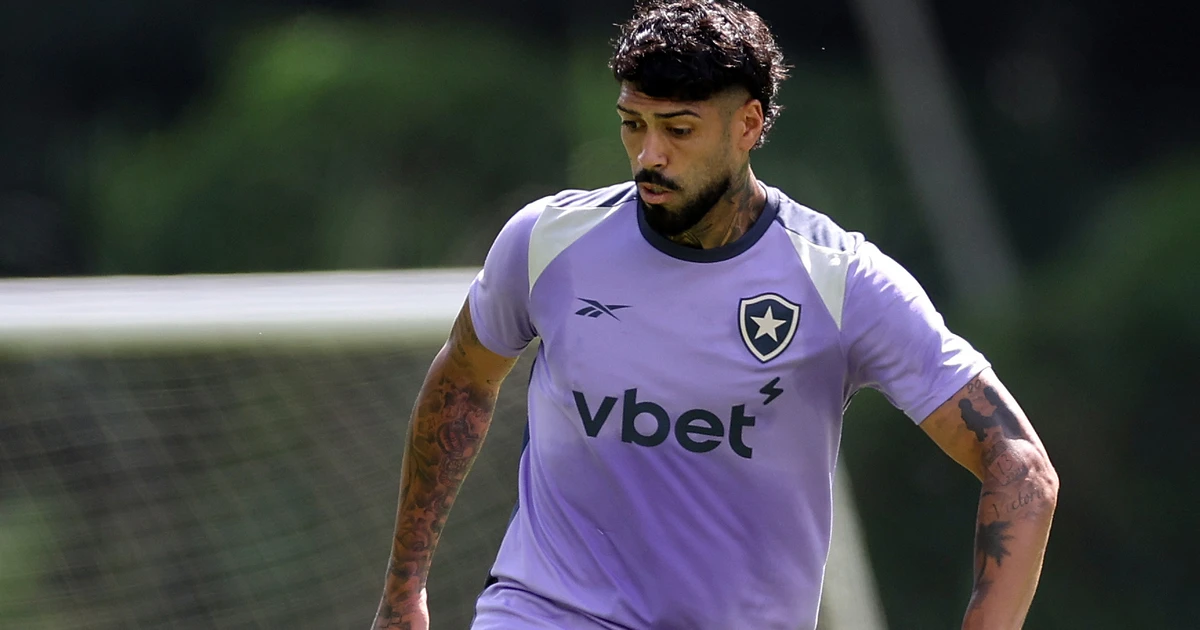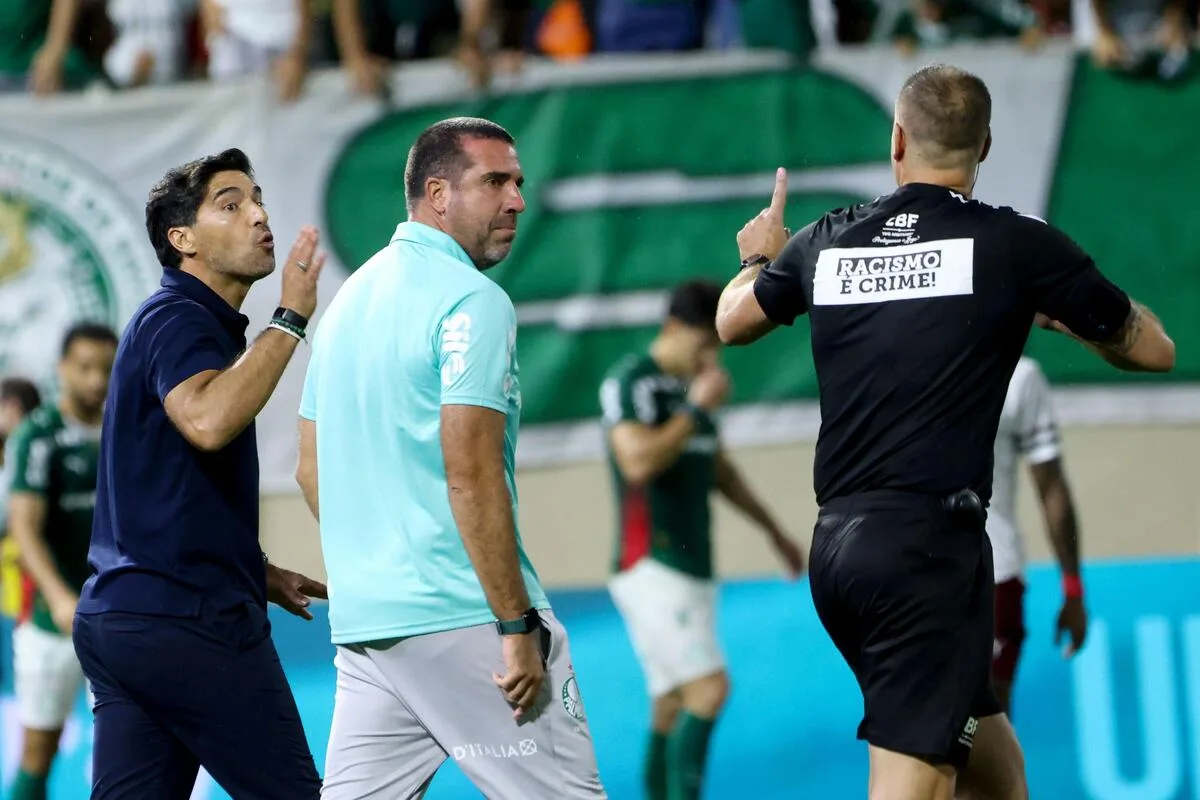
According to Jogo Hoje, Palmeiras has decided to step off the sidelines and send formal inquiries to the Confederação Brasileira de Futebol (CBF). The club’s message is blunt: it believes the same competition is being run with different rules depending on the team, and that the disciplinary pipeline is losing its footing. In other words, where is the isonomia when it matters most?
This week’s institutional tension has been hard to ignore, and Palmeiras is treating it like a legal problem, not just a bad break. The flashpoint is the handling of Abel Ferreira’s case and the decision to postpone Flamengo vs Fluminense from Saturday to Sunday, a move Palmeiras argues benefited only one side while other requests were rejected under similar circumstances.
What Palmeiras challenged in its official note
Palmeiras’ core argument revolves around procedural fairness and consistency. The club claims that decisions tied to both the criterion of calendar and the disciplinary process have lacked uniform standards. From a legal standpoint, that is not just “complaining”; it is a direct challenge to how the competition enforces rules across the board.
The club also frames its stance around precedente regulatório, effectively asking: if similar motions were granted in the past, why was this one handled differently? That question lands even heavier when the matter involves an active suspension and the ability to prepare properly for a crucial match.
The Abel Ferreira ban and the refusal of the effect suspensive
Let’s talk numbers and consequences. Abel Ferreira received a suspension of 8 matches after expulsions in Brasileirão incidents, with the disciplinary ruling focusing on conduct deemed inappropriate. Palmeiras did not stop at the outcome; it pursued a procedural remedy by filing for an effect suspensive, which would, in practice, allow the coach to keep working while the appeal process ran its course.
But on Saturday (11), the STJD rejected that request. Palmeiras highlights the timing as pivotal: the petition was filed on Thursday (9), and the denial arrived right when the decision’s practical impact was about to land.
In disciplinary terms, the absence of an effect suspensive changes the entire competitive reality. A coach can’t “train the same way” from the stands. You lose touch, you lose in-game adjustments, and you lose the tactical tempo that a dugout typically controls. And when you’re staring at big fixtures, that loss is not symbolic, it’s structural.
Palmeiras also argues that the refusal ignores how the same tribunal has treated comparable requests in other cases, and that this is where the club believes treatment desigual shows up in the form of inconsistent application. The legal lens is clear: if the tribunal’s approach shifts case by case, what confidence do clubs have in julgamento disciplinar as a stable, predictable system?
Why the Flamengo vs Fluminense reschedule became a target
Now for the calendar dispute, which is where the whole argument becomes explosive. Palmeiras’ statement points to the classic between Flamengo and Fluminense, moved from Saturday (11) to Sunday (12). Palmeiras’ position is that the decision favored one team’s logistical situation while other clubs had their postponement requests denied.
From a legal perspective, this is less about the matchday itself and more about the mechanism behind the call. If the league operates with a set of calendar rules, then those rules must be applied consistently. Otherwise, clubs can’t plan travel, recovery, and squad rotation with any certainty. And uncertainty is the enemy of competitive integrity.
Palmeiras insists that the Brasileirão calendar is already brutal for everyone. That makes the question sharper: why does one postponement pass while others get swatted away?
The examples Palmeiras used to underline inconsistent criteria
To support its claim of inconsistency, Palmeiras referenced other cases where requests were rejected despite being framed as similar logistical difficulties. The club cites:
- Mirassol, whose postponement request was denied even with a short interval between matches.
- Cruzeiro, which also saw its bid for a fixture change turned down in comparable circumstances.
- Avaí, who faced the same kind of refusal when it argued that scheduling constraints were compromising its preparation.
From the Palmeiras angle, these references are meant to show a pattern, not a one-off headache. In legal terms, the club is pushing for a system where amplo direito de defesa and fair procedural outcomes are not selectively respected.
And yes, in the background there’s another layer: when clubs feel the rules are applied unevenly, every disciplinary decision becomes more than a ruling. It becomes a signal. Who gets protected by procedure, and who gets left holding the bag?
What this complaint could trigger behind the scenes in the Brasileirão
If Palmeiras’ outreach gains traction, don’t expect this to stay quiet in committee rooms. Disputes like this tend to ripple across the league: clubs start comparing notes, lawyers get involved, and the disciplinary machinery becomes even more scrutinized.
There’s also the sporting angle. When a coach is suspended for 8 matches and an effect suspensive is denied, the competitive balance is affected immediately. That kind of impact tends to make other clubs more defensive about their own appeals and calendar requests.
Institutionally, the club’s strategy is a pressure play: Palmeiras is asking for explanations, uniform criteria, and transparency, but it’s also signaling that it will not treat these decisions as “just how it is.” The risk for everyone is escalation. If the CBF and STJD respond defensively, more statements will follow. If they respond with clarity, the system might regain credibility. Either way, this is the kind of episode that can reshape how clubs approach appeals all season long.
O Veredito Jogo Hoje
Palmeiras isn’t just mad; it’s building a legal narrative with receipts. When an effect suspensive gets denied and the club believes the same tribunal previously granted similar motions, the issue stops being “football drama” and becomes a question of isonomia in julgamento disciplinar. If the CBF’s criterion of calendar is truly consistent, then show the logic publicly. Otherwise, clubs will keep calling it tratamento desigual—and honestly, in this case, the outrage has a point. Assinado: Advogado Esportivo do Jogo Hoje.
Perguntas Frequentes
Why did Palmeiras criticise the CBF and the STJD?
Palmeiras says the CBF and STJD applied inconsistent rules in both the disciplinary process and the fixture calendar, arguing there was tratamento desigual and a lack of uniform criteria that undermines precedente regulatório and fair procedure.
What punishment was applied to Abel Ferreira?
Abel Ferreira received a suspension for 8 matches. Palmeiras also requested an effect suspensive, but the STJD denied it, meaning the ban took full effect immediately.
Why did the rescheduling of Flamengo vs Fluminense irritate Palmeiras?
Palmeiras claims the match was moved from Saturday (11) to Sunday (12) in a way that benefited only one side, while other clubs had their postponement requests denied under similar scheduling constraints.