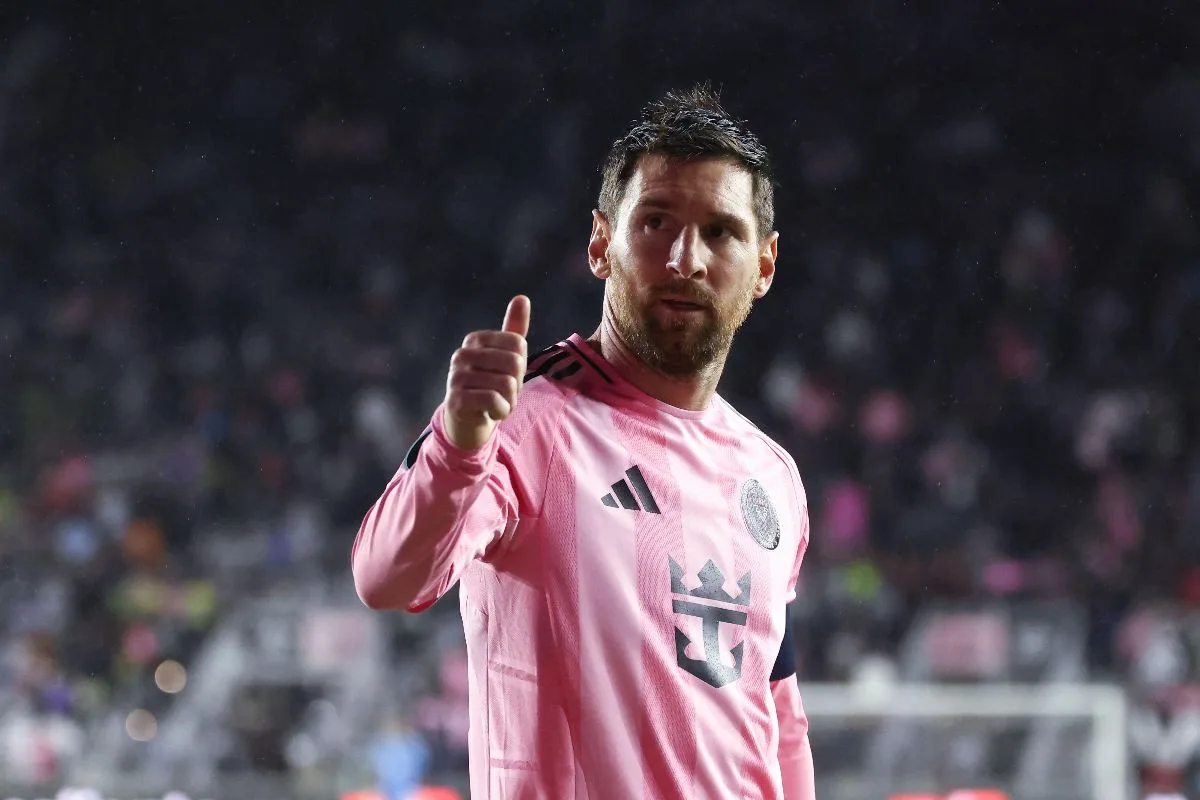
According to Jogo Hoje, Nubank’s football playbook is getting louder, and the latest signal came straight from Cristina Junqueira. The fintech executive publicly floated the idea of a friendly between Palmeiras and Inter Miami, with the tantalizing possibility of Lionel Messi—during the pre-season of 2027.
That’s the headline, sure. But what actually changed the conversation is the commercial logic behind it: naming rights, global exposure, and a ready-made platform for ativação de marca that doesn’t just “sell tickets,” it sells a story.
What Nubank revealed, and why Cristina Junqueira’s line shifted the whole agenda
When Junqueira wrote, essentially “We want to make it happen,” she didn’t just tease a match. She pointed to an internal pipeline already moving—because brand owners don’t talk like this unless the viability commercial is being stress-tested.
Nubank’s interest is not random. The company already holds naming rights connected to Palmeiras’ stadium, which means the “Brazil football” relationship isn’t theoretical—it’s contractual. At the same time, the fintech maintains a link to Inter Miami’s ecosystem in the United States. So the friendly becomes a bridge: one brand presence, two markets, one synchronized pitch.
And let’s be honest: this isn’t just about the 90 minutes. It’s about the agenda internacional window, the audience reach, the media packaging, and the kind of evento de grande apelo that sponsors dream about and broadcasters queue up for.
Why a Palmeiras vs Inter Miami friendly matters to the market
In today’s football economy, a match is rarely “only a match.” It’s inventory. It’s content. It’s a global billboard with a scoreboard attached.
Pairing a Brazilian institution with MLS’s headline act creates a built-in cross-border funnel: local fans get a premium spectacle, while international viewers get a reason to care about Brazilian pre-season rhythms.
From a finance-and-media standpoint, the upside is layered:
- Brand activation that feels organic because it’s tied to existing naming rights rather than a one-off marketing stunt.
- International broadcast value boosted by Messi’s gravity, even if the final lineup is still under negotiation.
- Commercial viability through corporate hospitality, sponsor packages, and global licensing opportunities around the event.
- Fan demand that typically spikes when a “dream matchup” lands in the right country and the right season.
Is it football romance? Sure. But the commercial engine is real—because companies don’t pay for a narrative unless the numbers look clean.
What still needs to happen for this game to leave the drawing board
Here’s where the dream meets spreadsheets. A friendly with that star power lives and dies by logistics and paperwork.
First, Inter Miami’s calendar is notoriously planned far ahead. Second, the match date and venue have to fit the agenda internacional of multiple stakeholders: teams, league obligations, league-friendly broadcast windows, travel timing, and training cycles.
Third, the termos contratuais can’t be hand-waved. Who pays what for operations? How are appearances structured? What’s the exact scope of branding? Who owns what footage? What are the obligations if schedules shift? These are the questions that separate a hype post from a signed commitment.
And then there’s the practical stuff: travel logistics, stadium readiness, security, ticketing tiers, and the media production plan. In short, it’s not hard to imagine—just hard to finalize.
Messi in Brazil: the sporting, commercial, and image impact
If Messi does show up, the sporting effect is obvious: the Inter Miami star is a global attention magnet, and his presence elevates the match from “friendly” to “event.”
But the image impact is what makes this so juicy for Nubank. A high-visibility appearance helps convert brand trust into brand desirability on an international scale—exactly the kind of evento de grande apelo that expands recognition beyond existing football circles.
There’s also a symbolic layer. Messi’s milestones still travel worldwide; his milestone goal, the 900th versus Nashville, is being referenced as a reminder of how relevant he remains—rarely do players of that stature still generate the same kind of global pull in every market they touch.
So yes, it’s about football. But for Nubank, it’s also about being seen at the center of a global sports moment—where ativação de marca meets cultural attention.
The weight of the recent 2-2 after the 2025 Club World Cup
Palmeiras and Inter Miami already have a shared storyline, and that matters more than casual fans think. In the 2025 FIFA Club World Cup, the teams finished 2-2. That scoreline isn’t just a memory; it’s a marketing asset.
Why? Because it gives the rematch a “we already know this rivalry has sparks” angle. Instead of selling a first-time curiosity, you can sell a continuation—same matchup, fresh setting, and a narrative that feels earned.
And when you’re trying to turn a corporate plan into a ticketing success, narrative continuity is a shortcut. It reduces uncertainty. It boosts momentum. It makes the pitch easier to swallow for fans and sponsors alike.
What could stall—or speed up—this 2027 plan
Let’s be real: 2027 is far enough away to tempt optimism, but close enough to require disciplined planning. This is where the difference between “possible” and “confirmed” lives.
What can accelerate it?
- Clear alignment on the agenda internacional window that suits both clubs’ pre-season needs.
- Fast, cooperative negotiations around the termos contratuais covering appearances, branding rights, and commercial splits.
- Operational readiness: venue, travel, security, and broadcast arrangements locked early enough to avoid last-minute chaos.
- Strong sponsor and hospitality demand signals, improving viabilidade comercial and reducing risk for all sides.
What can slow it down?
- Schedule conflicts on Inter Miami’s side, especially if tournaments or commitments shift.
- Complexities in player availability if Messi’s workload management becomes a non-negotiable constraint.
- Commercial terms that don’t match expectations—especially around naming rights exposure, media distribution, and event ownership.
In other words: the ball is rolling, but the final whistle depends on contract language and calendar math. That’s the grown-up reality behind the hype.
O Veredito Jogo Hoje
This is not “a Messi rumor” dressed up as a friendly. It’s Nubank doing what serious brand owners do: tying naming rights to a global ativação de marca play, then using football’s biggest magnet to maximize viabilidade comercial. The difference with us at Jogo Hoje is that we don’t stop at the star name—we watch the agenda internacional and the termos contratuais. If those pieces click, Palmeiras vs Inter Miami in Brazil becomes a boardroom certainty. If they don’t, it stays a pitch in progress.
Perguntas Frequentes
Can Messi play in Brazil for Inter Miami in this plan?
It’s a possibility tied to negotiation and availability. The proposal is being discussed, but any actual participation depends on scheduling, workload management, and the final termos contratuais.
When could the friendly between Palmeiras and Inter Miami happen?
The target window is the pre-season of 2027, but the exact date depends on the clubs aligning calendars within the agenda internacional.
What does Nubank still need to confirm the match?
The project still requires negotiations with Inter Miami, definition of the venue and logistics, and agreement on commercial structure and media rights—key pieces for viabilidade comercial.