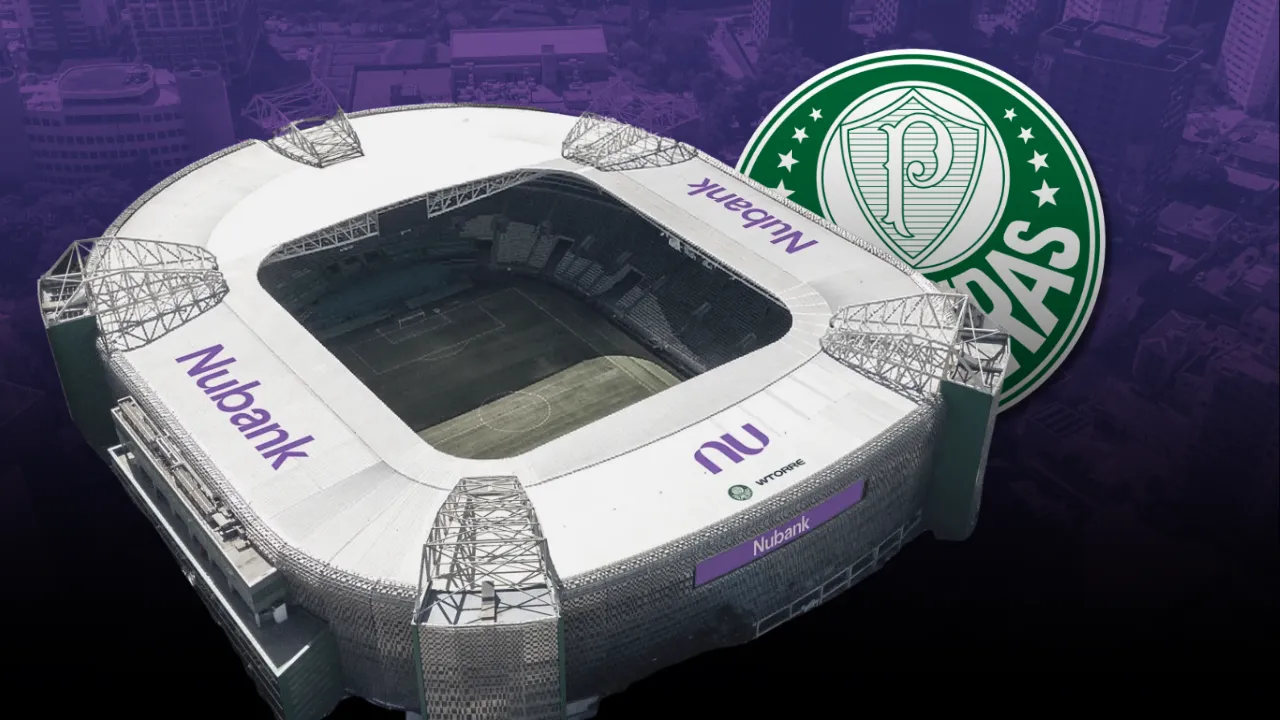
According to Jogo Hoje, the full story sits at the intersection of football and finance: Nubank has agreed with WTorre to buy the naming rights of Palmeiras’ arena, replacing Allianz and setting a new benchmark for naming rights value in Brazilian football. This is the kind of move that doesn’t just change a signboard, it reorders the market—fast, and with real money attached.
What’s been announced, and why it shifts the market
From this Friday, Allianz Parque will adopt Nubank in its official name, ending a long chapter of insurer branding tied to WTorre’s stadium operation. The bank and the arena manager reached the agreement after roughly nine months of negotiation, and the headline is clear: rights of exposure of the brand are being priced like an asset that can sell attention, events, and media value—not merely “stadium space”.
Strategically, the deal also lines up with a future governance transition. Reports point to a long-term contract, potentially running until 2044, when Palmeiras is set to take over the arena’s management. In other words, the commercial engine is being locked in well ahead of the baton handover—exactly how you protect receita de patrocínio in a multi-event arena multiuso model.
And yes, Palmeiras didn’t drive the talks, but they’re not spectators either. The club’s rights to a share of the revenue from the naming rights will matter more than ever once the new brand exposure revenue base is established.
How much the new Nubank deal is worth
Contract terms weren’t published in the official announcement under “confidentiality”, but market reporting points to a figure around US$ 10 million per year, roughly R$ 51 million annually. If that number holds, it becomes the highest value ever recorded for naming rights in football in Brazil.
WTorre’s commercial logic is easy to read: the previous arrangement was already getting outpaced by market inflation and brand competition. This time, the bank is paying for scale—stadium visibility plus the added calendar of shows and corporate events that keep the venue relevant beyond matchdays.
There’s also a structural clue in how these deals are typically built in Brazil: the old structure referenced reajuste pelo IPCA (indexation via the IPCA). If the new contract preserves that spirit, Palmeiras’ share can jump meaningfully rather than just “increase a bit”.
The impact for Palmeiras, and how the revenue gets split
Let’s talk numbers like grown-ups, because this is where the real story lives.
Under the former Allianz arrangement, Palmeiras was entitled to 5% of the naming rights proceeds from 2013 to 2024. After that, the club’s share rose to 15% of the repasses, which were around R$ 25 million per year, adjusted by reajuste pelo IPCA.
In practice, the club’s naming rights take was relatively modest: roughly R$ 4 million at the point when the higher percentage kicked in. With the Nubank deal, if the same revenue-share base stays intact, Palmeiras could move to around R$ 7.5 million per year from naming rights alone.
That might not sound like a transfer fee, but in arena economics it’s the difference between “nice” and “material”. When a venue becomes a multi-use arena platform, naming rights are basically the cover charge to a bigger party: concerts, corporate activations, and expanded media exposure. That’s why this is such a big swing for the club’s long-term commercial planning.
Name change, voting, and the 2044 transition
Until the process is fully completed, Palmeiras will keep using Allianz Parque operationally. The officialization of the new name is expected on May 4, and the visual refresh is slated for July, during the Copa do Mundo break—meaning the pitchside and structural branding will catch up when the calendar gives them breathing room.
Before the final label is locked, three options will go through public voting:
- Nubank Parque
- Nubank Arena
- Parque Nubank
It’s a nice engagement play, but don’t get distracted: the real win is the rights of exposure of the brand value that comes with it, and the fact that this deal strengthens WTorre’s management of the arena while Palmeiras keeps a stake in the revenue stream as a future operator.
Ranking the biggest naming rights deals in Brazil
With this new Nubank figure in the air, the market picture in Brazil looks like a chessboard where the biggest clubs are finally treating arenas like revenue engines rather than mere matchday backdrops.
- Palmeiras (Allianz Parque → Nubank): about R$ 51 million per year (reported), potentially the new top value.
- Corinthians (Neo Química Arena): target around R$ 60 million per year; current naming rights reported around R$ 21 million, with the club aiming for higher long-term exposure.
- São Paulo: reportedly in the R$ 25–30 million per year band for naming rights.
- Pacaembu: cited in the market as R$ 1 billion over 30 years for its naming rights deal.
So when you see the numbers, you start to understand the incentive structure: the top stadium brands are being priced to reflect real attention, real footfall, and the ability to host events year-round under a consistent long-term contract framework.
What this move says about Brazil’s arena market
Here’s the blunt take: this is the market admitting it was behind. With Nubank stepping in at a record valuation, the arena sector is basically saying that naming rights are no longer “a sponsorship line”—they’re a core commercial lever tied to media reach, event monetization, and long-horizon stadium strategy.
It also reignites the arms race for brand partners among big clubs. If Palmeiras just reset the ceiling, why wouldn’t Corinthians push harder for their own premium valuation? And if São Paulo and others already sit in the mid-to-high range, the pressure to keep pace becomes constant.
Finally, the timing matters. The deal structure appears to anticipate the arena’s future shift toward Palmeiras’ management in 2044, which means the stadium’s value is being fortified now, not later. That’s how you build an asset, not just a logo.
O Veredito Jogo Hoje
This is not a cosmetic sponsor swap—it’s a financial statement written in neon. Nubank and WTorre are treating the Palmeiras arena like a true multi-use arena business platform, and Palmeiras is positioned to benefit from a cleaner revenue of brand exposure climb under a long-term contract framework. If other clubs keep negotiating as if naming rights are secondary, they’ll get outplayed on the business side just like they get outplayed on the pitch.
Perguntas Frequentes
When does the new name for Palmeiras’ arena start to be valid?
The officialization is expected on May 4. Visual changes and the new branding are expected to be implemented in July, during the Copa do Mundo break.
How much will Nubank pay for the naming rights?
Reported figures point to roughly US$ 10 million per year, around R$ 51 million annually.
Which name will be chosen for the arena?
Three options will be voted on publicly: Nubank Parque, Nubank Arena, and Parque Nubank.