According to Jogo Hoje, Liverpool are in a proper transition moment. And against Fulham, the Reds didn’t just win 2-0; they found a piece that could change the way Arne Slot’s XI looks when the pressure turns up.
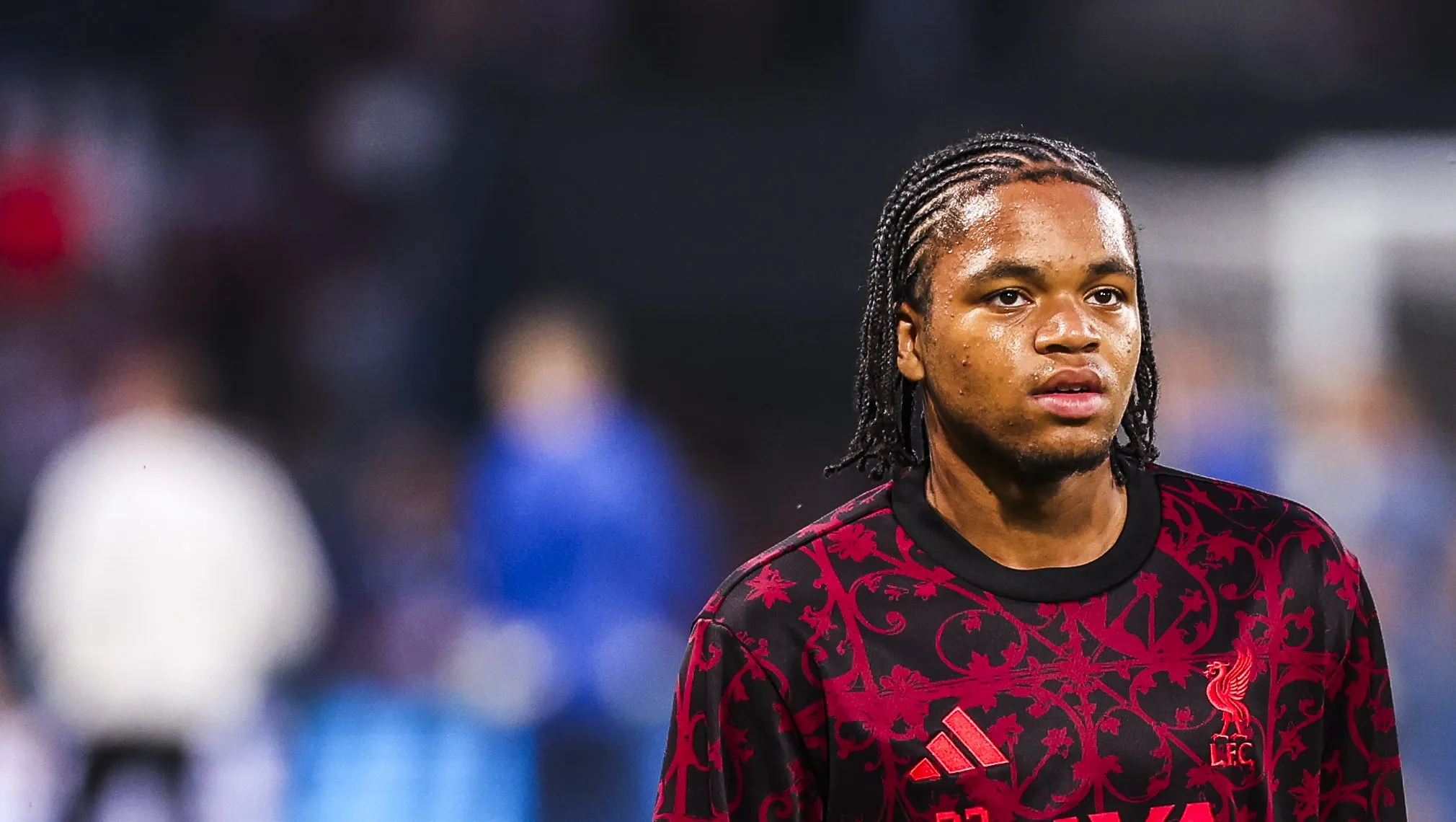
Rio Ngumoha, 17 years and 225 days old, started, scored, and effectively put a spotlight on Slot’s next decision. Not hype. Not a feel-good headline. A tactical signal: this is how Liverpool can keep moving forward while the club deals with form dips, European nerves, and the emotional gravity of possible departures.
The Slot bet that rewrote Liverpool’s script
Slot built his reputation on structure, clarity, and repeated ideas. But lately, the Premier League and the Champions League haven’t been cooperating. After an FA Cup exit and a 2-0 defeat in Paris in the first leg of the knockout phase, the manager had to do what elite coaches do when the clock is ticking: adapt the plan without abandoning the identity.
So he rotated, tested alternatives, and trusted a youngster who had only made a single Premier League start before this one. The crowd’s expectation was loud, the European qualification pressure is real, and yet Slot went for the bet. Why? Because Ngumoha didn’t arrive as a passenger. He arrived as a function.
How Ngumoha gave the attack a different shape
Let’s talk about what Liverpool were doing in possession and out of it, because that’s where Ngumoha’s impact makes sense. Fulham defended with a compact structure, offering few lanes in behind. That’s exactly the kind of match where you need game between the lines—a player who can receive, turn, and make the next action look inevitable.
Ngumoha did that. He read the spacing, stayed calm under pressure, and forced Fulham’s block to keep shifting. It wasn’t just a goal; it was the start of a new offensive rhythm built on transition offensive moments and smart decision-making when the ball arrived half a second late.
At 36 minutes of the first half, he opened the scoring with a finish into the bottom-left corner. And it came in a match where Slot needed more than possession stats—he needed disruption.
The second goal, scored with Salah’s contribution, also showed why this was more than “talent.” Liverpool attacked with purpose, created the right angle, and then converted. Ngumoha’s presence helped the Reds stretch Fulham and attack the space they left behind rather than bashing into their shell.
What the Anfield record says about the future of the squad
When a 17-year-old lands at Anfield and ends up as the youngest Liverpool scorer in Premier League history at that venue, you don’t shrug it off. You listen. Ngumoha surpassed Raheem Sterling’s record (17 years and 317 days), and that matters because it frames the next phase of Liverpool’s rebuild.
Slot is navigating a roster moment that feels like a hinge: possible farewells, performance oscillations, and the constant need to keep European qualification in reach. The club can’t afford to be sentimental and tactically vague at the same time.
That’s why Ngumoha’s role feels like a roadmap. He offers:
- Amplitude pela esquerda when Liverpool want to stretch the field and pull defenders sideways instead of playing into congestion.
- Pressão alta triggers in the moments Liverpool can win the ball with intent, rather than pressing for pressing’s sake.
- Recomposição defensiva after attacks break down, using his physicality and timing to help Liverpool reset.
- Jogo entrelinhas as a bridge between midfield and the final third, especially against teams that sit in a bloco baixo.
- Rotação de elenco without the usual drop in intensity. That’s the holy grail in a season like this.
And here’s the key: this wasn’t a one-off burst. The way he stayed involved in both phases of play makes him useful even when the tactical matchup gets ugly.
Salah, Robertson, and the transition already underway
Salah also played his part. He scored and participated in the offensive construction, but what stood out was the way he’s evolving into a more functional threat. Maybe it’s not the same “explosion” as peak years, but the timing of his involvement—especially feeding off the movement Ngumoha created—still makes him dangerous.
Robertson’s role in the left-sided support of Liverpool’s attacks was noticeable too, and his ovation at Anfield felt like a reminder that the transition isn’t only on the pitch. If the next season arrives with new faces and new roles, Liverpool need internal solutions ready to slot in.
Ngumoha looks like one of those solutions. Not because he’s young, but because he understands the job description: he can stretch, connect, and help with the recomposição defensiva needed after Liverpool break into dangerous areas.
Even in the match’s later moments, you could see the rhythm shifting—Liverpool pushing with intent, then resetting when the game demanded it. That’s recomposição defensiva in motion, not a static “we’ll defend now” switch.
The weight of the performance before the PSG test
Now the spotlight shifts to Europe. Against PSG, Liverpool face the nightmare scenario: a 2-0 defeat in Paris to overturn. That kind of tie punishes teams that don’t manage both phases properly—because if you go chasing the ball with no structure, you get cut open.
That’s where Ngumoha’s match performance before the PSG test becomes more than a highlight. Slot will want players who can help Liverpool go forward through transition ofensiva while also protecting the space behind when the opponent’s counter-punch arrives.
And let’s not pretend this is only about Ngumoha. It’s about the whole team’s readiness: the pressão alta moments, the spacing off the ball, and the discipline to drop into a bloco baixo shape when needed. Ngumoha’s willingness to contribute to those phases suggests Slot can ask him to carry tactical responsibility in a big game environment.
Slot will also have selection issues. Everton comes next on Sunday (19), in the derby atmosphere that tests focus as much as fitness. Then the PSG meeting arrives on Tuesday (14). That’s a brutal sequence, and Liverpool need smart rotação de elenco—not random changes.
Alexander Isak’s return matters, too. He came on at 25 minutes of the second half and helped Liverpool close the game out. But the real editorial takeaway is this: Slot’s trust in Ngumoha wasn’t a gamble for the sake of headlines. It was the start of an argument inside the squad about who can deliver when the system needs a spark.
O Veredito Jogo Hoje
We can dress it up with records, but the truth is tactical: Ngumoha solved a problem Liverpool have had this season—creating credible danger against compact defending—while also buying time for Slot’s broader transition. That’s why this 2-0 win feels urgent, not comfortable. On the way to PSG, Liverpool won’t just need goals; they’ll need controlled chaos, and Slot now has a youngster who understands the balance between pressão alta, bloco baixo, and the in-between moments where matches are actually decided. Assinado pela nossa mesa editorial.
Perguntas Frequentes
How old is Rio Ngumoha?
Rio Ngumoha is 17 years old (specifically 17 years and 225 days when he scored at Anfield vs Fulham).
What record did Ngumoha break at Anfield?
He became the youngest Liverpool player to score at Anfield in a Premier League match, surpassing Raheem Sterling’s previous record.
Why is the Fulham performance important for Liverpool?
Because it showed Slot a viable tactical option: Ngumoha delivered a goal, helped generate offensive threat through jogo entrelinhas and transition ofensiva, and contributed to recomposição defensiva—exactly what Liverpool need heading into the PSG tie.