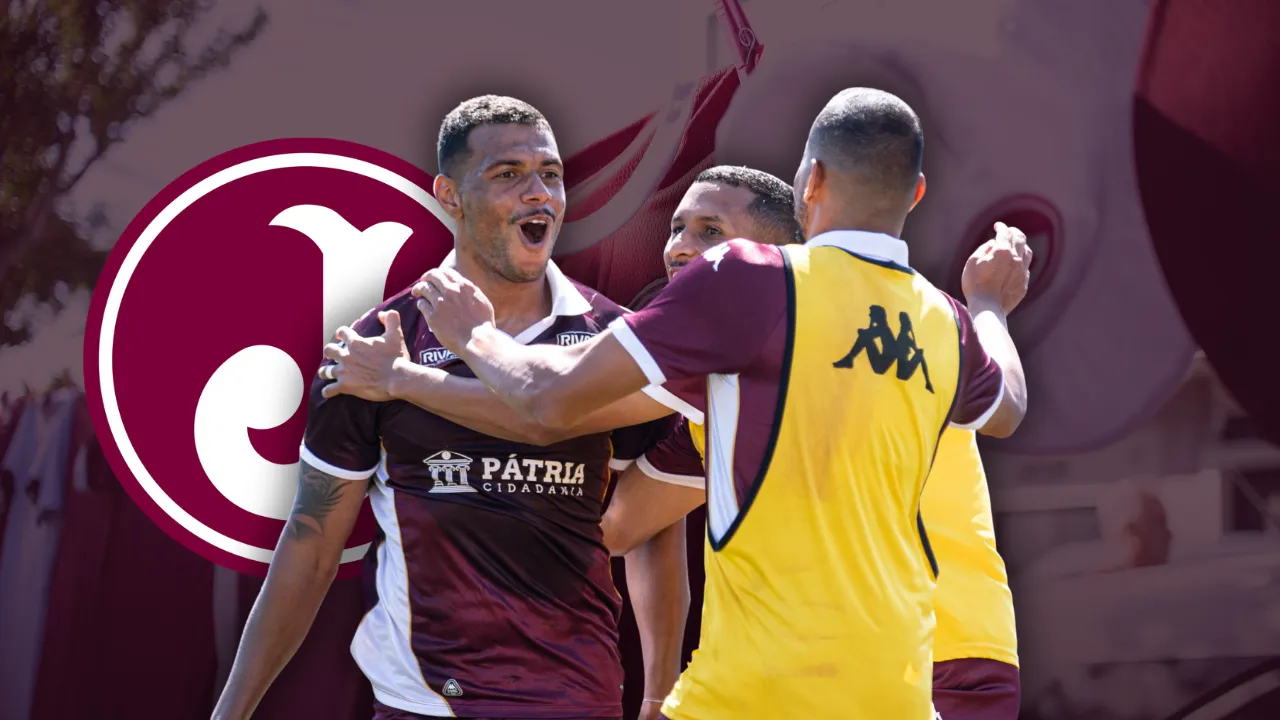
Juventus from Mooca are back in the top flight of the Paulistão. After a goalless draw away to Votuporanguense, the club secured a spot in the Série A2 final and, by doing so, earned the long-awaited acesso esportivo to the A1. For a team that hasn’t played the elite level since 2008, this is more than a football result. It’s the first scoreboard the club’s new Sociedade Anônima do Futebol has to answer.
And yes, this is exactly the kind of moment where the numbers start to matter as much as the tactics. According to our editorial desk at Jogo Hoje, the promotion lands as a validation of the project’s early financial logic, even if the hard part is still waiting in 2026.
The return to A1: the access that ends 19 years of waiting
Let’s do the timeline properly, because the context is the story. Juventus were out of the Paulistão elite for 19 years. They got the ticket after the 0-0 in Votuporanga, with the Série A2 final acting as the gateway. The route isn’t just symbolic either: the club’s last A1 appearance came in the era of 2008, and the climb back has been a painful negotiation with finances, structure, and timing.
They’ll face Ferroviária in the next stage, after the season’s Série A2 climax. Juventus last won the Série A2 title in 2005, and the club’s current cycle is built to avoid repeating the “almost there” syndrome. This time, the acesso esportivo arrives as the early proof of concept.
What the SAF promised, and why this access changes the equation
From a financial standpoint, the promotion is the cleanest metric of whether the club’s captação de investimento thesis can survive the real-world pressure of matchday. Juventus’ project isn’t small-bore. The plan approved by supporters includes R$ 480 million over 10 years, plus R$ 20 million earmarked for the social headquarters. That scale is what separates a “nice idea” from a serious corporate play.
Crucially, the supporters approved the model with 83% backing in June 2025. That’s not just a vote; it’s shareholder buy-in. And in the SAF era, buy-in is currency. Without it, you don’t get the patience needed for a rebuild.
Now, the club also needs to execute the gestão esportiva side with discipline. Juventus already moved quickly: within months of signing, the transition brought a reformulação de elenco and a leadership reshuffle that left almost the entire matchday group different from the previous season. That speed is what you’d expect when investors demand measurable milestones, and the pitch becomes the progress report.
Of course, there’s tension. Investment cycles always have friction, and in 2025 the SAF proposal generated internal debate. The project’s funding roadmap also faced turbulence: before Contea Capital took control, Reag Capital Holding was involved in the fundraising process but stepped away after becoming a target of the Polícia Federal’s Operação Carbono Oculto. So the promotion is celebratory, but it’s also a reminder: the club still has to protect the project from reputational and operational shocks.
The Rua Javari isn’t ready for the top flight yet
Here’s where the Specialist Finance brain doesn’t let you look away. Promotion without stadium readiness is like signing a long-term contract without checking compliance. Juventus know that. The plan calls for modernização de estádio at the Rua Javari, currently able to host around 5,000 fans, with a target of 15,000. That’s a massive step-up in both revenue potential and regulatory responsibility.
The immediate bottlenecks are also brutally specific. The FPF requires a capacidade mínima da FPF that Juventus don’t meet yet, and the club also lacks the lighting needed for night matches. That’s why home games have been scheduled at 10h or 15h. In a commercial calendar, that matters. You’re not just avoiding inconvenience; you’re limiting TV windows, sponsor activation, and matchday traffic.
Even if you believe the football side is fixed, the stadium side is the gatekeeper. Until the Javari clears those thresholds, Juventus may be forced to use alternatives such as Pacaembu for A1 matches. That’s not ideal for atmosphere, and it’s not ideal for the financial model either, because a club’s matchday value is tied to its home footprint.
A full squad and staff overhaul
Juventus didn’t just tweak the roster. They went nuclear. In the months leading into the campaign, the club carried out a reformulação de elenco paired with executive changes. The move is easy to understand: when the corporate plan is built on investment, you can’t afford to keep a team that doesn’t match the new sporting deadlines.
Statistically, the home advantage was real. Juventus posted 6 wins, 4 draws, and 1 defeat at home, a 66.7% points yield. Away from the Javari, the numbers dropped to 5 wins, 5 defeats, and 2 draws, which is 47.2%. That split is exactly what you’d expect from a club in transition: home structure gives you control, away games expose your ceiling.
On the player side, the access matchday group was basically a different universe compared to last season. None of the names listed for the access game against Votuporanguense were in the previous season’s squad, including standout Elkin Muñoz. On the technical and managerial side, Thiago Carvalho took over after the SAF became reality, and the sporting management is led by P&P Sport Management. This is classic SAF execution: align leadership, align coaching, then align the roster.
Even the pitch story points to the modernization push. The Javari has moved from natural grass to synthetic turf supplied by the same company that provides the material for the Allianz Parque, which has FIFA approval. That technical detail isn’t trivia. It supports the club’s ability to host higher-profile fixtures, and it’s part of the broader modernização de estádio narrative investors love because it’s measurable.
Internal resistance and the reaction from the stands
Let’s not pretend the project was greeted with universal applause. The idea of “selling” the club to investors didn’t sit well with everyone. Supporters groups weren’t passive either. Setor 2 stopped activities after the project became reality. That tells you the SAF debate wasn’t just boardroom talk; it was identity politics.
From a financial lens, that matters because fan loyalty is a long-term asset. You can’t simply buy performance and call it a day. The club’s response has leaned on community-facing initiatives, including ticket policies and efforts to keep the Javari as a focal point of the fan experience.
But the business truth remains: if the club can’t deliver in the A1, the backlash will return in a louder voice. That’s the tension. Promotion buys time, not immunity.
What comes next: A2 final, Copa Paulista, and the 2026 prep
Juventus still have a schedule to respect. After the Série A2 decision, the club’s immediate next test is the Copa Paulista, where they’ll face Osasco Sporting, Paulista de Jundiaí, and Primavera. These games aren’t just “warm-up” matches; they’re operational rehearsals for the next tier of demands.
And while the A1 dream is alive, the stadium compliance calendar can’t be treated like a side quest. Juventus are aiming to upgrade the Javari to handle bigger crowds, but the lighting and capacity thresholds are immediate constraints tied to match scheduling and FPF requirements. If that timeline slips, the club’s sporting plan will be forced into a logistical compromise.
Underneath it all, the project has a long-range target: reach the Brasileirão top tier by 2035. That’s the horizon investors can live with, but 2026 is the milestone that decides whether the SAF’s early narrative becomes a sustainable business model or a short-lived flash.
O Veredito Jogo Hoje
We’ll say it plainly: the acesso esportivo is a great headline, but the real win is that the SAF has stopped being a PowerPoint and started producing results on the scoreboard. Still, promotion doesn’t pay the bills by itself. If the Javari upgrade misses its mark, Juventus will pay twice: first in matchday revenue, then in sporting instability. This is the moment where the club’s captação de investimento must turn into gestão esportiva precision, porque Série A1 doesn’t forgive delays.
Perguntas Frequentes
When was the last time Juventus played Série A1 of the Paulistão?
Juventus last played in the Paulistão top tier in 2008, and they’re returning to the elite level now after a 19-year absence.
How much investment does Juventus SAF promise?
The project includes R$ 480 million over 10 years and an additional R$ 20 million allocated to the social headquarters.
What’s missing at the Rua Javari for top-flight matches?
The main gaps are lighting for night games and reaching the capacidade mínima da FPF requirement (above 10,000), since the stadium’s current capacity is around 5,000 and the target is 15,000.