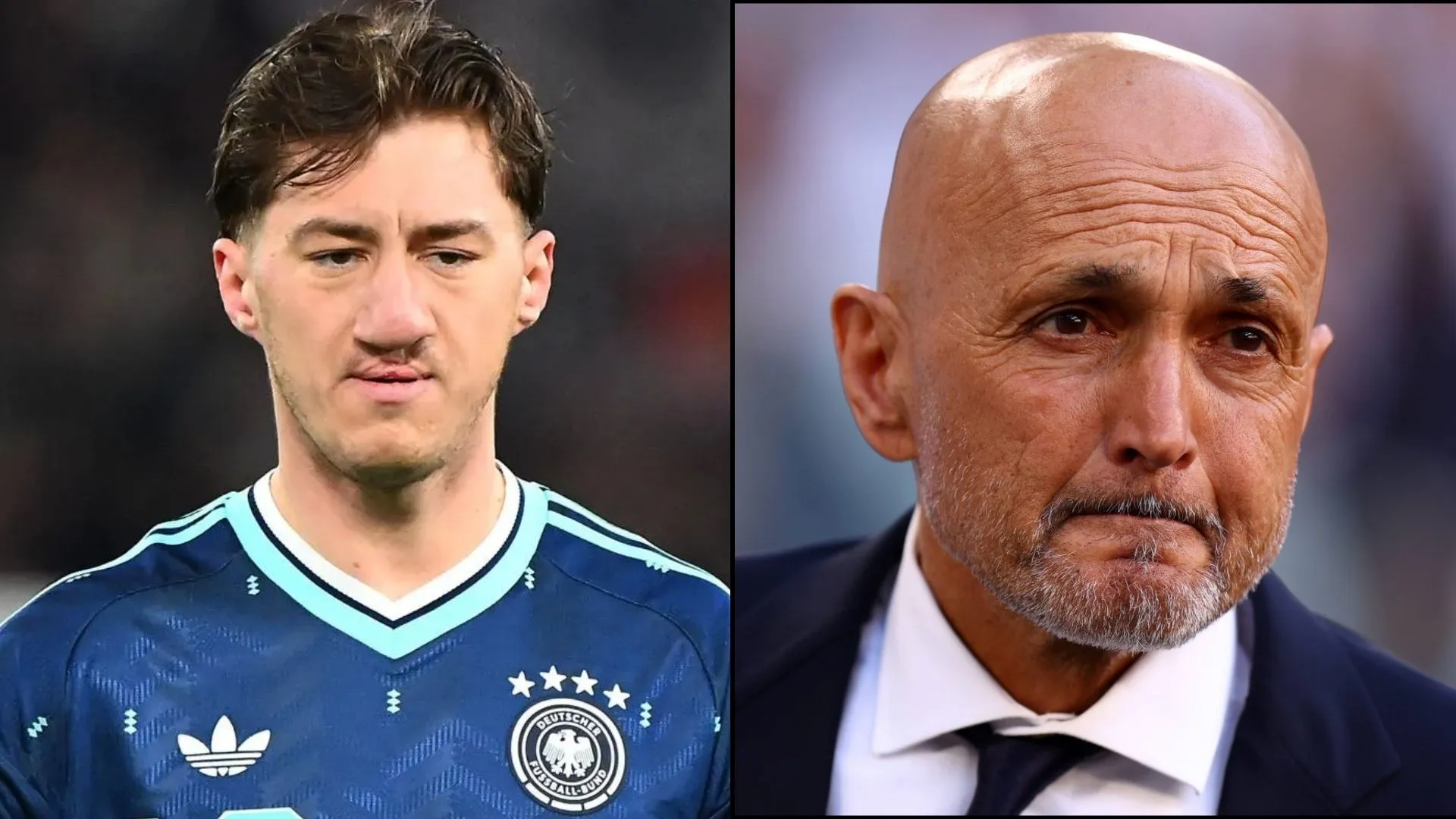
While Luciano Spalletti’s men are trying to lock down next season’s Champions League spot, Jogo Hoje has our eyes firmly on the other side of the deal sheet. Juventus are already working the phones for Angelo Stiller, a Stuttgart midfielder who fits a very specific tactical brief: connect the back line to the attack without losing control of the match. And with the window about to open, this isn’t a “someday” target. It’s a now target.
The target and the race with European heavyweights
According to Tuttosport, Juventus want to get ahead of the pack and push for Stiller before Manchester United, Real Madrid, and Chelsea can fully organise their offers. In Germany, he’s been labeled the “next Toni Kroos” by the local press, but the real question isn’t the nickname. It’s whether his ball progression and reading of the link between defense and attack can translate into an immediate upgrade for a Serie A side that needs stability in the big games.
Juventus plan to send a representative to the Bundesliga match Stuttgart vs Bayer Leverkusen on Saturday (9) at 10:30 (Brasília time). The goal is twofold: observe the midfielder up close and start the talks early, because early moves matter when a release clause is sitting at an accessible level.
Why Angelo Stiller became such a hot commodity
Stiller is 25 years old and already has the profile clubs dream about when they’re trying to buy an on-field system, not just a player. First off, he’s a volante de origem in the truest sense: he looks for the first pass, he scans before receiving, and he shapes the tempo. That’s control of rhythm in living form.
Then there’s his role in transition. When Stuttgart press, Stiller’s positioning helps the team turn defence into attack without the ball turning into a hot potato. It’s the kind of “pressing, recover, organise” sequence that makes coaches sleep better. In Juventus’ language, it’s a midfielder who can handle pressão alta without exposing the back line.
And yes, the saída de bola is key. He doesn’t just pass; he launches. He’s the player who makes the first line of progression look effortless, which is exactly what you want when you’re trying to build possession without inviting chaos.
What gives Juventus an edge in this negotiation
Here’s where Juventus can genuinely separate themselves. Stiller’s multa rescisória is reported at €36 million, around R$209 million. That number is not pocket change, but compared to the market’s usual “midfield tax,” it’s unusually clean. And Juventus are thinking strategically: if the player is set to represent Germany at the World Cup, his profile and price could rise as the tournament approaches. Timing, plain and simple, is leverage.
Juventus also have a sporting deadline that feeds the transfer plan. They’re sitting on 65 points in Serie A and are three matchdays from the end, still in the hunt for a top-four finish. The Champions League qualification isn’t just a trophy obsession; it’s the financial engine that strengthens their purchasing power. If they land Stiller in May, they’re not just buying quality. They’re buying certainty.
Who else is in the mix, and why it complicates everything
The competition isn’t just loud; it’s messy. Chelsea are linked, but their situation is less stable because they still need to finalise the coaching direction for 2026/27. For a midfielder like Stiller, who needs a clear tactical map to thrive, that uncertainty is a real obstacle.
Real Madrid’s interest also makes sense on paper. They’re still searching for a long-term solution in the midfield after Toni Kroos’ retirement following the last Euro. But the practical challenge is continuity: Madrid don’t rush. They wait for the right fit and the right timing.
Manchester United, though, are the wildcard. They’re focused on rebuilding their midfield after Casemiro’s departure at season’s end, and Stiller is part of that broader scouting picture. United have also been watching players like Carlos Baleba and, importantly, Éderson.
And Éderson is where the money starts talking. Juventus are monitoring him too, while Atlético Madrid have reportedly reached an initial agreement with the Brazilian. Atlético’s offer is a five-year deal with an annual salary of €4.5 million, roughly R$26.1 million. Atlético’s bid for La Dea is around €35 million, approximately R$203.1 million.
United, meanwhile, have signaled they could go up to €45 million (about R$261.1 million) for Éderson, who is set to enter his last year of contract. That kind of wage-and-fee structure forces other clubs to either accelerate or risk losing their primary target. It’s the classic “me too” trap—but Juventus are trying to avoid it.
The financial impact for Juventus
Let’s be blunt: Juventus don’t just need a midfielder, they need one who can justify the spend by raising the team’s ceiling in the league and in Europe. The reported release clause of €36 million gives them a path to control costs, and that matters when you’re trying to protect a budget while chasing G4 ambitions.
At the same time, they’re not buying blind. If Stiller truly delivers on saída de bola, control of rhythm, and the tactical balance between link between defense and attack, the investment starts paying for itself through results. Add in the Copa do Mundo as factor of future valuation, and Juventus’ “move early” logic becomes even harder to argue against.
O Veredito Jogo Hoje
Juventus don’t win this race by name-dropping Europe. They win it by timing, structure, and fit. Stiller is the kind of midfielder who can raise the floor immediately: he improves ball progression, steadies the tempo control, and helps the team play through pressure instead of surviving it. If Juventus pull this off in May, it’s not just a transfer. It’s a tactical statement—and a financial one that tells the market they’re not waiting around for chaos.
Perguntas Frequentes
Who is Angelo Stiller and why is he called the “next Kroos”?
Stiller is a 25-year-old Stuttgart midfielder known for technical ball control, strong saída de bola, and his ability to link the link between defense and attack. The “next Kroos” label comes from his style and passing range, but the real value is his role in control of rhythm and how he supports the team during pressão alta.
How much does it cost to sign Angelo Stiller from Stuttgart?
The reported multa rescisória is €36 million, about R$209 million. Juventus would likely work around that threshold to secure the deal as the window opens.
Why does Juventus want to close the deal before their rivals?
Because the market can jump once World Cup momentum starts inflating player value. Plus, Juventus have a top-four target in Serie A, and a Champions League finish boosts their budget flexibility. Getting Stiller early reduces competition pressure and helps them lock a key piece before prices and bargaining positions tighten.