Three straight World Cup misses don’t happen by accident. According to Jogo Hoje’s international football coverage, Italy’s latest exit from the global stage has turned coaching into a tactical emergency: the Azzurri are not just shopping for a new face, they’re trying to redesign how they look, how they move, and how they compete for the next cycle toward 2030.
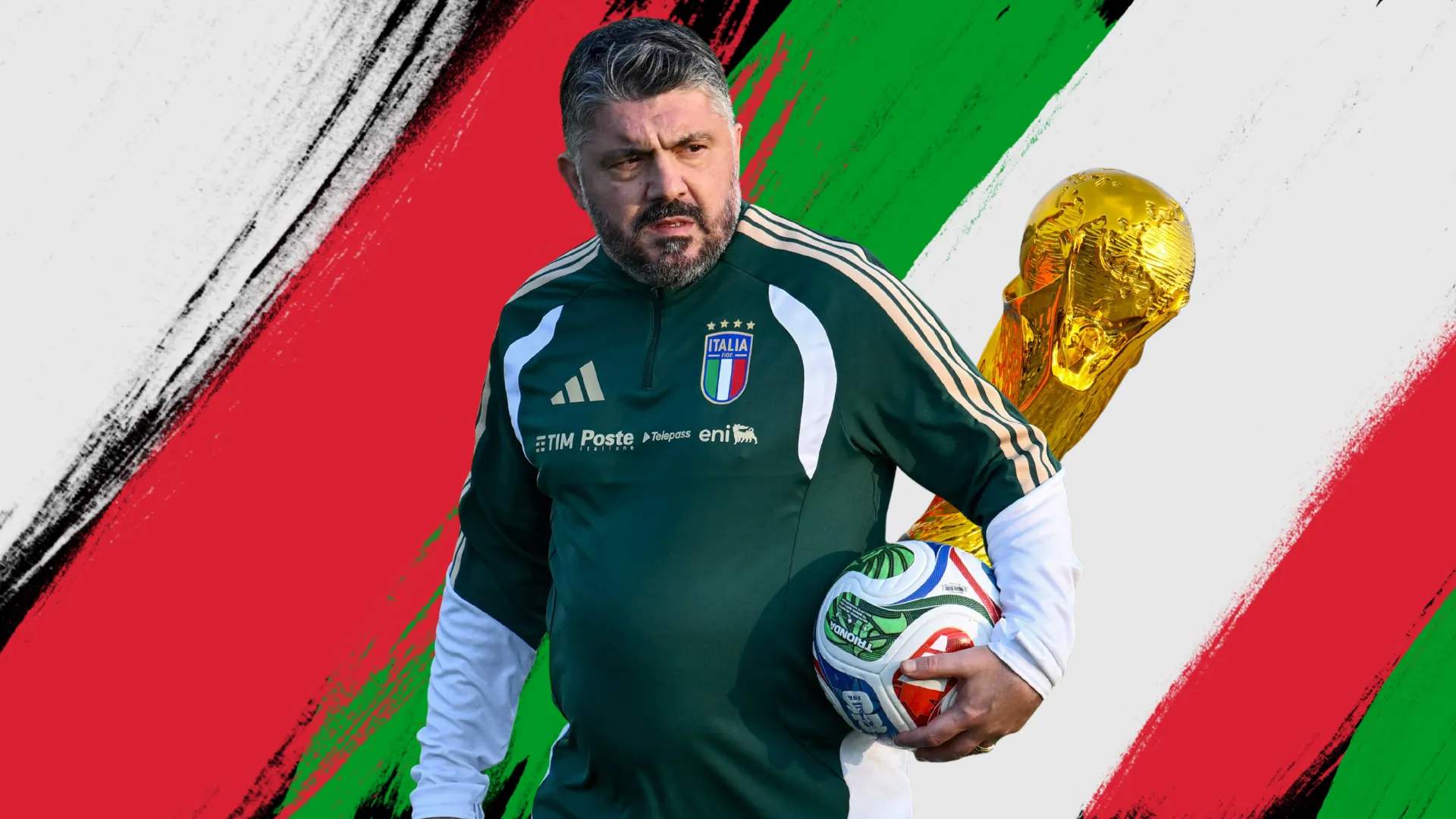
And yes, Gennaro Gattuso is now on the list of departures after the defeat to Bosnia in the European play-offs. But if you think the FIGC board will solve this with a simple appointment, you’re missing the point. This is a structural problem wearing a manager’s suit.
The size of Italy’s crisis: three World Cups out and the pressure on the FIGC
Let’s be blunt. Missing the World Cup three times in a row is not merely a bad run of results; it’s a symptom. When a national team repeatedly fails to reach the tournament, you start asking uncomfortable questions about player development, match tempo, and whether the team’s tactical language is being spoken consistently from camp to camp.
Right now, Italy’s identity has gaps. The ball often travels, but the threats don’t always stack. Their solidity collective can wobble under pressure, and the team’s ability to control the middle phases of matches lacks the authority you expect from a top-tier national side.
So the conversation is bigger than “who’s next on the bench?” It’s about rebuilding a system that can handle modern demands: pressão alta, coordinated distances, intelligent rest defense, and a more reliable transição ofensiva after regaining possession.
What the selection needs to fix beyond the coach
A new manager can’t magically rewrite the player pool overnight. But they can set a tactical baseline that forces the squad to learn one clear way of playing. Italy’s checklist should read like this:
- Reconstrução tática that goes beyond formations, focusing on roles, triggers, and collective habits.
- A sharper rhythm of play so possession becomes posse qualificada, not possession for possession’s sake.
- Better control of the bloco médio and the space between lines, especially against teams that attack with pace.
- More coherent pressão alta and better recovery patterns when the first wave is beaten.
- A clearer plan for the first two phases of transição ofensiva, including where the support runners arrive.
- Defensive organization that allows a stable linha de três when needed, without turning the back line into a gamble.
In other words, Italy needs a coach who understands that tactics at national level is not only “how we play,” it’s “how we behave” when the match is chaotic. That’s where most candidates will be exposed.
Pep Guardiola: the near-impossible dream that could change everything
If there’s one coach who can rewrite a country’s football culture with pure craft, it’s Pep Guardiola. He’s done it at Barcelona, at Bayern, and now at Manchester City. And yes, he knows how to adapt to different leagues without losing the core idea: the team’s structure has to serve the ball, and the ball has to serve the team’s pressure plan.
Tactically, Guardiola can turn Italy’s potential into something sharper. You’d expect cleaner spacing, higher quality build-up, and a more systematic approach to posse qualificada. The midfield would be trained to manage the bloco médio with purpose, not fear. Even the idea of a linha de três could be used as a tool for controlling zones rather than as a stylistic headline.
But the obstacle is brutally simple: Guardiola has a contract with Manchester City until June 2027. That’s not a small detail; it’s the kind of wall that kills negotiations before they even start. Why walk away from a project with long-term value for a national-team job that demands fast answers to deep problems?
Still, the “perfect marriage” angle isn’t nonsense. Guardiola has repeatedly spoken about wanting to coach at a World Cup, and his recent public mood suggests the club grind is less appealing than it used to be. Italy, in crisis, would offer him a rare canvas: a rebuild where he could impose a new tactical grammar from day one.
So can the FIGC pull it off? The chance is minimal. But this is one of those situations where you test the market anyway. Ambition is not a strategy, but the refusal to ask is. Italy has nothing to lose by reaching out to a coach who could modernize their model in one stroke.
Gian Piero Gasperini: an identity bet with the appetite for reform
Gian Piero Gasperini is the opposite of a “brand risk.” He’s grounded in the Italian football ecosystem and, crucially, he understands what to keep and what to change. If you want a coach who knows the calcio from the inside—player profile, league rhythm, and tactical traditions—Gasperini fits.
His Atalanta story is not a slogan; it’s a system. He built teams that attack with intent, with fluidity, and with a relentless sense of timing. That’s why the Atalanta style feels like it belongs to modern football: high energy without losing coordination.
The Latter-day detail that matters here: Gasperini took Atalanta to the Europa League title in 2023/24. That’s not just a trophy; it’s proof that his model can survive pressure on big European nights.
Now, he’s at Roma, with a deal running until June 2028. The selection could benefit from that proximity and from the fact that the club side is always being evaluated, always being questioned, always being measured against expectations. But national teams don’t care about club politics; they care about the coach’s willingness to commit fully.
And that’s where the biggest question sits. Gasperini has hinted resistance to taking the job unless the country is ready for something deeper than cosmetic tweaks. He’s essentially asking for a “complete reform.” If the FIGC is serious about a true reconstruction tática—not a press conference promise—then Gasperini becomes a credible option.
From a tactical perspective, his strengths scream “Italy needs to be dangerous again.” You’d expect more proactive collective behavior in the bloco médio, sharper triggers for pressão alta, and a transition plan designed to turn recoveries into immediate threats—true transição ofensiva, not hopeful dribbling.
Antonio Conte: the most realistic route to 2030
Of the names floating around, Antonio Conte looks like the most plausible appointment—because his profile matches what Italy may need right now: a disciplined reset with a clear tactical spine. Yes, he’s still contracted to Napoli until 2026/27, but the “lisonjeado” language about returning to the national team signals he’s listening.
Conte coached Italy between 2014 and 2016, and he understands the emotional and tactical weight of the badge. He also knows how to build a team that competes with intensity, not with vibes.
His tactical signature is well-known: the linha de três structure, incisive wide options, and a defensive system that can turn into a coordinated press when the moment arrives. In moments without the ball, Conte’s teams typically build a front line that makes life uncomfortable for opponents—exactly the kind of work Italy has lacked when matches get tight.
That matters for the next cycle. Italy can’t afford to be passive between phases. They need a plan for when possession breaks down, when the opponent’s first pass beats the press, and when the match swings into transition. Conte’s approach can restore solidez coletiva while still allowing aggression.
Is there a downside? Conte is not a long-winded “project” coach in the way some managers are. He tends to demand clarity, time to implement his principles, and a squad that buys into the collective job. But for Italy—after three World Cups out—that demand isn’t a problem. It’s the starting point.
If Italy wants the safest path to a functional competitive identity by 2030, Conte is the favorite for a reason.
What the choice reveals about the future of the calcio
The coach Italy chooses will tell us what FIGC truly believes about the calcio’s future. Guardiola would signal a willingness to bet on a global-style possession machine with tactical precision and deep training culture. Gasperini would signal a return to Italian identity—intensity, courage, and a system that attacks with structure. Conte would signal practicality: restore defensive order, raise tempo, and make the team hard to break, then build from there.
But there’s a common denominator across all three scenarios: the coach must deliver pressão alta with discipline, convert possession into real danger via posse qualificada, and make transição ofensiva a repeatable weapon. Without that, the next cycle will be another audition for failure.
And let’s not forget the governance layer. Gabriele Gravina resigned as FIGC president, and a successor was elected on June 22. That reshuffle matters. National-team rebuilds are not only tactical; they’re administrative. New people, new priorities, and—hopefully—less tolerance for ambiguity.
O Veredito Jogo Hoje
Italy doesn’t need a “good coach.” It needs a tactician who can impose a competitive default: a team that defends as one, presses with purpose, and turns chaos into controlled transição ofensiva. Guardiola is the dream, Gasperini is the identity spark, but Conte is the only one whose skill set matches the urgency of this moment. If FIGC wants results that look like a plan—not a slideshow—Conte is the call. Our bet at Jogo Hoje is simple: the full mission belongs to the manager who can deliver solidez coletiva first, then weaponize the attack.
Perguntas Frequentes
Why did Gattuso leave the Italy national team?
Italy’s defeat to Bosnia in the European play-offs produced another World Cup absence, marking the third consecutive miss. In that context, Gattuso was included in the list of departures, with the FIGC moving toward a new tactical direction.
Who is the favorite to take over Italy?
Among the discussed candidates, Antonio Conte is currently the most realistic favorite for the next cycle toward 2030, mainly due to his experience with Italy, his tactical system built around intensity and structure, and the contract timeline at Napoli (until 2026/27).
Can Italy still try to sign Pep Guardiola?
They can try, but it’s extremely difficult. Guardiola is under contract with Manchester City until June 2027. Still, a FIGC approach would be a clear signal of ambition, especially if Guardiola’s desire to coach at a World Cup aligns with Italy’s willingness to accept a deeper tactical shift.