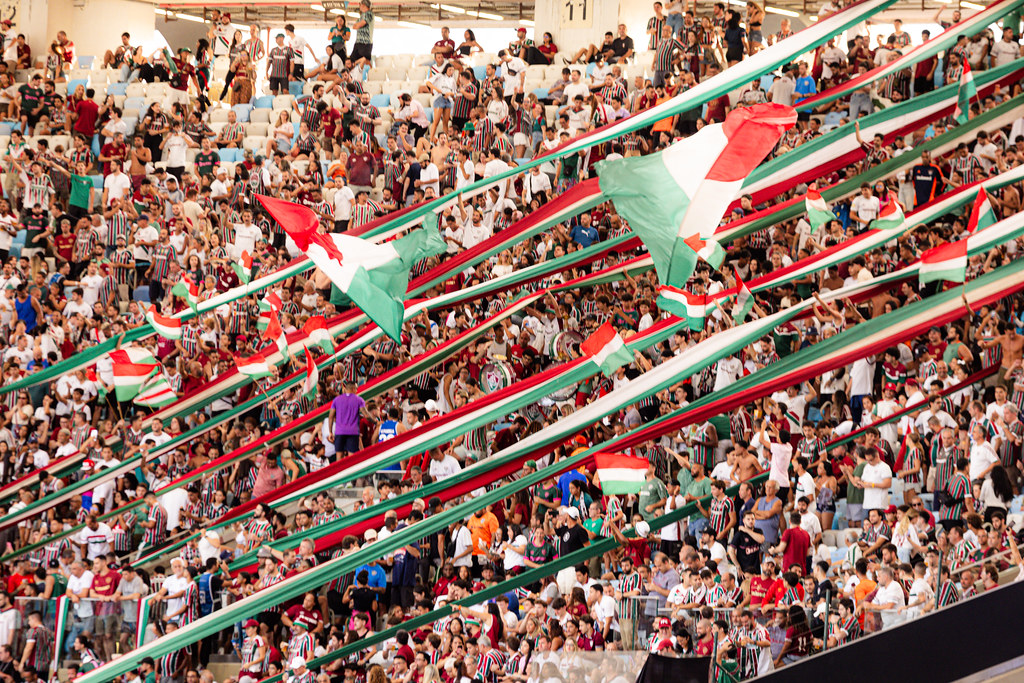
There are football decisions you can debate on tactics, and then there are decisions that land straight in the social bloodstream of a club. The adiamento de clássico between Flamengo and Fluminense became the second kind. A collective of Fluminense supporters—mostly torcida off-Rio, with fans living far from Rio—pushed out a nota oficial that doesn’t dress the issue up with polite language. And, according to our reading of the message, it reads like a fanbase asking one simple question: did the club really sign off on the postponement, and why?
Per Jogo Hoje coverage, the timing couldn’t be worse. The change was made public late Thursday (9), just days before the match. Now the board has to deal not only with scheduling, but with trust.
The note that laid bare the irritation of off-Rio Fluminense supporters
The collective’s argument is built on identity and belonging, not on matchday trivia. They frame the Fluminense fan as the club’s real asset—its “owner,” its reason for existing—even when it’s inconvenient to consult every supporter before a decision. It’s a strong claim, and it lands because it’s backed by lived experience: these aren’t casual attendees from the neighborhood. These are fans who travel, plan, book, and show up.
In their words, the postponement turned them from spectators into collateral damage. The match—Fluminense x Flamengo on Sunday (12) at 18:00 Brasília time—shifted just enough to break routines and burn goodwill. They cite the scale of the away following as evidence of commitment: more than 1,500 visiting supporters in Curitiba, as stated in the note.
And then they bring in the travel reality that most people watching from home never see: the collective references a logística de deslocamento that included a 6,500 km trip all the way to Caracas, after a run of matches that felt exhausting even before the postponement hit. For a fan group that’s been living the club’s calendar on the road, the timing isn’t just inconvenient—it’s symbolic. You can almost hear the question behind every line: why should we keep absorbing the cost?
Why the Fla-Flu postponement hit so hard
Let’s be honest: an adiamento de clássico is never “just” a schedule change when you’re dealing with a fanbase that treats the badge like family. In the collective’s framing, this isn’t about sparring over whether the rival benefits. It’s about whether the club understands the emotional contract it has with its supporters.
They point to a crise de comunicação that goes beyond one press release. The note says that within hours, rumors turned into something closer to collective authorship of a request—something that, in their view, benefits the other side. That’s a heavy accusation, and it’s precisely why the response from the board matters: fans don’t want legalese. They want clarity.
What stings most is the mismatch between what the club could explain and what it allegedly didn’t. The collective stresses there was no clear legal reason—no court order—and no genuine “force majeure” scenario, like the disruptions the country saw from major flooding events in the past. So where does that leave the supporters? Suspended between uncertainty and the feeling of being played.
And yes, the note also calls out the emotional rhythm of the season: a sequence of 4 games in 12 days is mentioned as part of a grueling stretch. When your club’s calendar is already tight, every added twist feels personal. The postponement didn’t just move kickoff—it rearranged rest, preparation, and the whole week’s mental map.
The weight of logistics: travel, hotels, and a grind of a week
As a Sociólogo de Arquibancada, I’ll say it plainly: football fandom outside the city isn’t a hobby. It’s infrastructure. When the logística de deslocamento gets altered at the last minute, it’s not only bodies that move—money, time, health, and family commitments move with them.
The collective doesn’t talk like a PR department. They talk like people who paid for the whole plan. They mention that supporters already had planejamento de viagem in place: tickets, flights, hotels, and time carved out for the club. When the classic was shifted, those plans didn’t evaporate. They got reworked, rebooked, and sometimes lost.
They also connect the dots between the club’s choices and the lived travel burden. In their narrative, the week became a marathon: Coritiba, Caracas, Regatas, and Rivadavia in a 4 games in 12 days stretch. That’s the kind of run that tests even the most disciplined fan. Now add the postponement and you get a layered strain—on the stands, on the streets, and inside the heads of supporters.
There’s a reason the note mentions the away following in Curitiba and the long trip to Caracas: it’s a way of showing that the fanbase already carries its share of the load. So the postponement doesn’t land as “a decision.” It lands as “a breach of understanding.” That’s why the tone feels so sharp. Not because they’re looking for drama, but because they’re tired of being treated like a variable.
What the collective accuses the board of not doing
The collective’s core charge is simple: the board produced a nota oficial they call vague—so vague it nearly becomes “dubious,” in their framing. They argue the club didn’t defend Fluminense and its supporters in any direct way. And when the club doesn’t defend the relationship, the supporters interpret it as consent without accountability.
In their view, there’s a gap between institutional action and fan impact. They claim that the club might have accepted the postponement request in a way that indirectly harms those who planned everything already. That’s where the message turns into a demand: explain the decision clearly, with reasons that match the club’s size and history.
This is where the story becomes a crise institucional. Because if the board can change the adiamento de clássico and then hide behind ambiguity, what does the club owe to the people who make it a club?
- The collective demands an institutional position that addresses whether Fluminense agreed and on what basis.
- They ask for appropriate explanations that don’t leave supporters guessing.
- They stress their supporters didn’t just “wait and watch”—they invested in the club’s schedule.
And the message isn’t subtle about the emotional stakes: they say they won’t stay quiet when the club appears to “shrink” the fan relationship. That’s not a threat for the sake of it. It’s a warning that communication failures create distance—and distance kills belonging.
The demand for a clearer institutional stance
Now we get to the heart of the matter. This isn’t a negotiation about kickoff time. It’s a demand for transparency that respects a fanbase that travels. The collective doesn’t want a lecture; it wants answers that reduce uncertainty.
They name the supporter groups involved, including Fluripa, Flu do Sul, FluRS, TricoFlores, FluVille, FluDublin, Fluritiba, LaguNense, Flu Xerém, and FluSul. That list matters. It shows this isn’t one loud corner. It’s a coalition with representation—an off-Rio network that has learned to mobilize.
So the board’s next move can’t be another vague line. It needs to address the planejamento de viagem disruption, the logística de deslocamento burden, and the core question fans are circling: did Fluminense truly consent, and why?
O Veredito Jogo Hoje
From our angle at Jogo Hoje, this is a textbook case of a crise de comunicação becoming a crise institucional: not because the postponement happened, but because the club’s explanation—at least as perceived by the supporters—doesn’t match the impact on the people who keep showing up. When the torcida off-Rio has already paid its dues with flights and long-distance nights, ambiguity from the board doesn’t feel like neutrality. It feels like a decision without responsibility. And that’s exactly why the note hit like it did.
Perguntas Frequentes
Why was the Fla-Flu match postponed?
The collective’s note highlights that supporters did not see a clear legal reason (like a court order) or a force majeure explanation. The board still needs to provide a precise institutional justification for the adiamento de clássico that led to the change in date and kickoff time.
Who is the off-Rio Fluminense supporters collective?
It’s a coalition of Fluminense fan groups, mostly based outside Rio de Janeiro, including groups such as Fluripa, Flu do Sul, FluRS, TricoFlores, FluVille, FluDublin, Fluritiba, LaguNense, Flu Xerém, and FluSul. In the note, they speak for a travel-heavy segment of the torcida that plans trips in advance.
What do Fluminense fans want from the club’s board now?
They want a clear institutional position via a proper nota oficial, explaining whether Fluminense agreed to the postponement request and detailing the reasons behind the decision. They also demand an answer that acknowledges the disruption to planejamento de viagem and the logística de deslocamento burden placed on traveling supporters.