Jogo Hoje has been tracking the fallout, and the emotional temperature around this weekend’s Fla-Flu has gone nuclear. What was supposed to be a classic on Saturday became a Sunday clash at 18:00 Brasília time, and right now the Fluminense end of the stands feels like the rules were bent while the Tricolor prepared—on paper—to be the “professional” one.
What happened with Fla-Flu
The Fla-Flu, scheduled for Saturday as part of the 11th round of the Brazilian League, was moved to Sunday (12). Over 25,000 tickets had already been sold before the change, and the decision still landed with a thud because it also fell outside the CBF’s established limit. The stated trigger was Flamengo’s logistical problem: a delay tied to the return after the club’s Libertadores debut in Venezuela.
Flamengo left Cusco at 1:40 a.m. and arrived in Rio at 10:00 a.m. on Wednesday. The knock-on effect is the kind that hits supporters in the wallet and in the rhythm of the week: travel plans, work schedules, and family commitments all get rearranged in one shot.
Why the decision irritated Fluminense fans
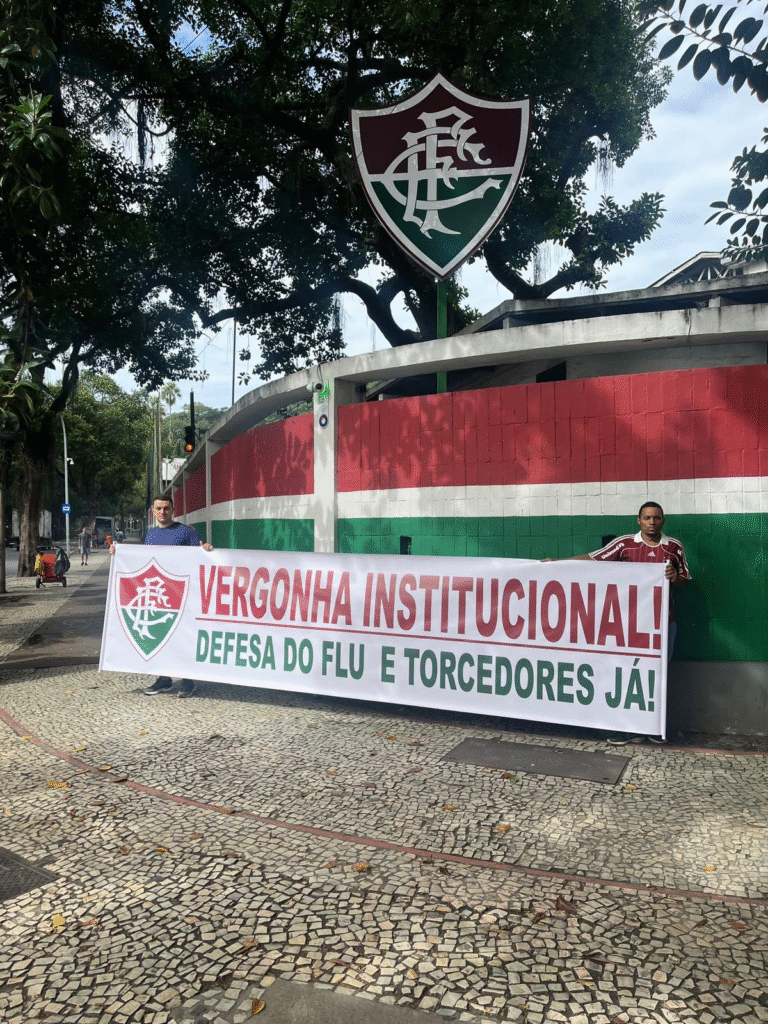
From Laranjeiras—Fluminense’s social headquarters—our conversations with supporters captured a theme: this wasn’t just “a date change.” It felt like a lack of conviction, a debate about whether the rival would be treated the same way if the tables were turned. And in football culture, that “if it were the other way around” question is gasoline.
Micaella Correa, a Fluminense fan living in São Paulo, had bought a ticket, but the new timing clashes with her need to be back in the capital by Sunday for college. Her frustration wasn’t only personal; it was moral, almost civic.
Bernardo Piquet, a supporters’ member, went further, questioning the club’s posture. In his view, the Tricolor’s leadership doesn’t hold a line—always adjusting the “route” depending on the moment—while the immediate cost is paid by the people in the stands. He also argued that the narrative of extra preparation doesn’t fully wash when you factor in what time away from the pitch really means. Because yes, there’s “time to train,” but there’s also time to rest, and that balance matters more than fans are willing to pretend.
Leonardo Brito raised the same concern from another angle: the Libertadores stopwatch. With a Sunday now in the mix, Fluminense’s preparation for the next match shifts, and supporters can feel the interval between matches tighten. The perception is that the decision may have been “handled” at the cost of emotional trust and practical fairness.
The weight of the calendar for the Tricolor
This is where the sociology of the stands really shows. Football is not only 90 minutes; it’s the week around the game. And the Fluminense supporters see the postponement as a direct hit to planning and recovery.
According to the club’s explanation, Flamengo’s delay meant Fluminense would have two days of training before Fla-Flu. After the move, Fluminense is said to have three days of preparation. But fans hear a different sentence: the next Libertadores match is on Wednesday at the Maracanã, and the reshuffle effectively compresses the time of休息 and rotation. In other words, the time to rest doesn’t arrive like it should when the planning of the calendar is disrupted.
So when supporters talk about preparation for the Libertadores, they’re not talking about tactics diagrams. They’re talking about fatigue management, intensity control, and the daily rhythm of players who also have to live inside the schedule decisions of institutions.
The Flamengo argument and the CBF position
The official line from the CBF is that the match was postponed to Sunday at 18:00 Brasília time, “attending a request from both clubs,” citing logistics problems for Flamengo’s return after the Libertadores debut. The club also stated that Fluminense was consulted after the Flamengo flight delay, and the Tricolor agreed after weighing time to rest and the planning of calendar across the following rounds.
Fluminense’s justification points to the travel timeline and the idea that the squad would retain training days. Yet the reaction from the stands suggests a deeper question: isonomia esportiva—sporting fairness. When tickets are already on sale and supporters have already booked trips, the “both sides requested it” framing doesn’t calm the emotional storm. It sharpens it.
What’s the lesson for this classic and the Libertadores
Supporters understand football is a living product, and logistics happen. But the lesson of this adiamento de clássico is bigger than one derbi. It’s about how decisions ripple outward: from institutions to players, from players to households.
- Ticketing can’t feel like a gamble. When ingressos vendidos exceed 25,000 before a change, the burden can’t land on fans’ shoulders alone.
- Travel logistics must be weighed with the same seriousness as the sporting outcome. A delay is not just a delay when people cross cities and states.
- Preparation for the Libertadores can’t be treated as a slogan. Fans watch the calendar like analysts watch lineups, and every compressed time of recovery changes the emotional trust in the process.
O Veredito Jogo Hoje
To be blunt: this isn’t about being “pro-Fluminense” or “anti-Flamengo.” It’s about whether the system respects the people who make the rivalry real. When the adiamento de clássico hits after ingressos vendidos are already out, and the calendar pressure is felt right before a Libertadores match, the message the stands receive is simple and ugly: the institutions can move the game, but the supporters are the ones who pay the price. If the same situation happened the other way around, would the answer be identical? That question is the real story, and it leaves a sour taste that no official note can sand down. — Jogo Hoje, Sociólogo de Arquibancada.
Perguntas Frequentes
Why was Fla-Flu postponed?
The match was moved from Saturday to Sunday after Flamengo cited logistics issues related to the return following the Libertadores debut in Venezuela, leading to an official decision with the CBF’s involvement.
What changed for Fluminense with the new date?
Fluminense gained one extra day in the build-up window, but supporters argue the change also affects time to rest and compresses the interval before their next preparation for the Libertadores match on Wednesday at the Maracanã.
How many tickets had already been sold before the change?
More than 25,000 ingressos vendidos were reported as sold before the postponement was announced.