Barcelona’s Saturday night against Espanyol wasn’t just a statement of intent. It was a tactical decision with a stopwatch attached, and JogoHoje has been tracking this sort of daily momentum build-up like clockwork. After Real Madrid dropped points, the Catalans had a chance to stretch the lead to nine and, more importantly, arrive at the Champions League with the right rhythm.
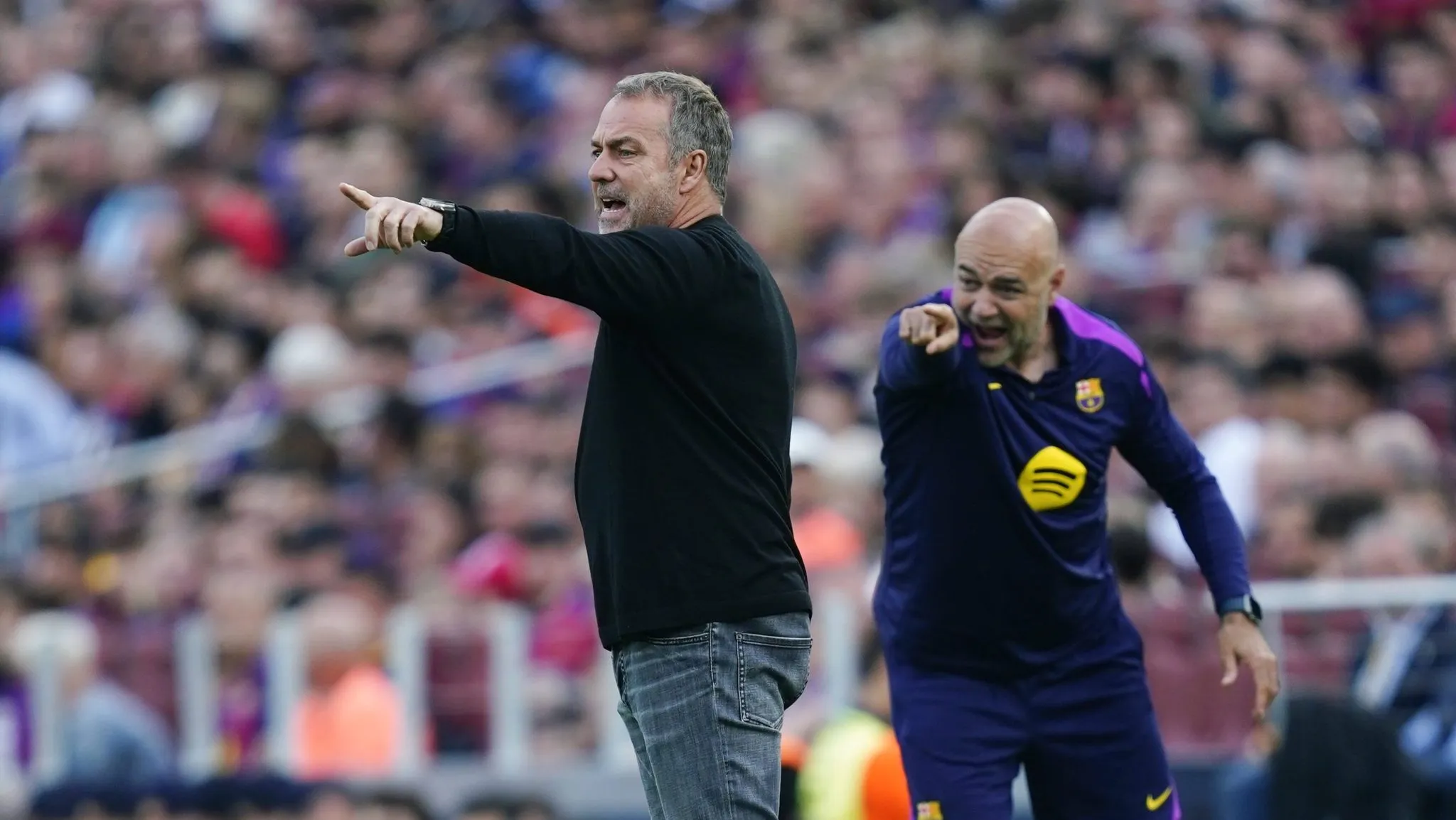
So yes, Flick “went heavy.” And in football terms, heavy usually means one thing: managing gestão de carga and trust at the same time, not just names on the teamsheet. With the return leg versus Atlético de Madrid coming next Tuesday (14), the question wasn’t whether Barcelona could win LaLiga. The real question was whether this match would sharpen the team—or drain it.
Flick’s choice: starters on the pitch even with the Champions looming
Pedri started after being taken off at half-time in the midweek Atlético game due to a thigh discomfort, and that alone tells you Flick wasn’t chasing “comfort football.” This was about timing and hierarchy. Lamine Yamal also began in the XI, and when your attacking engine starts, your whole hierarquia ofensiva gets clearer: who carries the ball, who threatens the half-spaces, who the midfield can feed under pressure.
Flick could have leaned on rotação de elenco. Instead, he leaned on structure—starting the players who know the triggers. That’s the kind of call that only looks bold if you ignore what comes next: Barcelona are facing a 2-0 deficit from the first leg, so the team needed not only legs, but belief. The plan was to keep intensity high without getting reckless, to protect the game’s tempo, and to use this classic rivalry setting to rehearse key moments.
How Barcelona controlled Espanyol and turned risk into advantage
Barcelona approached the match like a team that respects the opponent’s capacity to counter, but refuses to surrender the initiative. You could see the intent in their spacing and their ability to play through lines—keeping a compact shape so the opponent’s forward runs didn’t have free lanes.
When Barcelona lost the ball, they responded with pressão pós-perda rather than panic. That matters against a derby opponent because it limits the time for the other side to organize their counter-attacks. And offensively, the team repeatedly looked to strike in transição ofensiva, especially after winning second balls or forcing Espanyol into defensive hesitation.
There were moments where the front line looked set for a linha alta, and the mid-game discipline was there to match it. Barcelona often operated like a bloco médio, not sitting too deep, not overreaching. That balance is the difference between “winning big” and “winning big and getting exposed.” In the end, they played the risk-control equation well enough to turn it into a rout.
Ferrán Torres reappears and reshapes the attacking fight
Ferrán Torres was the headline act, scoring twice and snapping a 14-match scoring drought. But the tactical hook here isn’t just the goals—it’s what his movement does to the entire attack. When Torres finds the right angles, he changes the way defenders set their feet, and that opens the rest of the forward line.
His first came early, at 8 minutes, after a corner: he escaped his marker and finished with a header into an empty net. The second at 24 was pure attacking timing—Yamal’s pass into the right pocket and Torres arriving to fire home. That’s not luck; that’s chemistry plus instruction plus execution.
With gestão de carga in the spotlight and Raphinha unavailable due to a biceps femoris injury, Torres becomes a more central piece in Flick’s plans. In other words, this performance isn’t simply “good form.” It’s a credible signal for who leads the press-and-go moments and who punishes turnovers when Barcelona try to break Atlético’s setup next Tuesday.
What the Espanyol win says about the endgame of LaLiga
With nine rounds left, Barcelona now sit nine points clear of Real Madrid. That margin isn’t just numbers—it’s psychological leverage. When you win a derby by 4-1 while your rival is dropping points, the league starts to feel less like a chase and more like a corridor you’re already walking down.
Yet the real tactical message is how Flick managed the match as a rehearsal without turning it into a festival of chaos. The team maintained their offensive triggers, kept their shape coherent, and didn’t sacrifice the ability to respond in defense. That’s how a side protects its title-winning engine while still preparing for the Champions League.
The psychological impact before the Atlético decision
Let’s be honest: the first leg left a scar. Losing 2-0 at home to Atlético de Madrid is the kind of result that forces you into a specific kind of thinking—more risk, more runs, more urgency, but also more exposure if your execution slips.
This 4-1 win doesn’t erase the deficit. It builds something else: confidence in the collective rhythm. When players score early and the team sustains pressure, you reduce the fear factor that can poison the first 20 minutes of a comeback attempt.
Also, Flick’s decision to use key pieces tells you he’s not treating Atlético as a “survive-and-hope” scenario. He wants Barcelona to arrive with sharpness, with practiced intensity, and with the pressão pós-perda mindset required to wrestle control back. That’s the psychological edge you can’t measure with stats alone.
What needs to happen on Tuesday for the comeback to be possible
To overturn a 2-0 loss, Barcelona can’t just win. They have to win with a plan that respects Atlético’s ability to absorb pressure and strike on the edges.
- Barcelona must keep their linha alta only when the timing is right, because Atlético punish half-hearted recoveries.
- They need disciplined pressão pós-perda so turnovers become chances, not invitations.
- In attack, the transição ofensiva has to be fast: win the ball, move it forward, and force Atlético’s back line to turn.
- The bloco médio should be used to control space, not to invite pressure; Barcelona must be ready to shift quickly into a higher posture when the ball is theirs.
- Torres’ role matters: if his movement stretches the defense, it supports Yamal and the midfield runners inside the hierarquia ofensiva.
There’s no magic formula, but there is a tactical requirement: Barcelona must combine aggression with clarity. That’s what this Espanyol match quietly proved.
O Veredito Jogo Hoje
Flick didn’t gamble for the headlines—he managed the chessboard. The 4-1 over Espanyol shows Barcelona can hurt teams with timing, keep their structure intact, and turn pressure into goals. Now the tricky part: Atlético won’t give them the same comfort, and the comeback will demand sharper execution in every transição ofensiva. But with Torres firing, Yamal involved, and the squad not losing its competitive pulse, Barça have a real trump card—one that makes Tuesday feel like a tactical mission, not a fairy tale.
Perguntas Frequentes
Why did Hansi Flick start key players against Espanyol?
Because he needed rhythm and tactical sharpness, not just fresh legs. With the Champions League return leg looming and a 2-0 deficit to chase, Flick prioritized a coherent hierarquia ofensiva and rehearsed intensity, while still thinking through gestão de carga.
How many points did Barcelona open in LaLiga?
Barcelona opened a nine-point lead, with nine rounds left to play.
Can Ferrán Torres be decisive versus Atlético Madrid?
Yes. His two goals ended a 14-match drought and, more importantly, his positioning and finishing threaten the spaces Barcelona will need to attack. With Raphinha unavailable, Torres’ role fits Flick’s comeback demands, especially when transição ofensiva moments arrive.