According to reports and what we saw unfold, Jogo Hoje has been tracking the repercussão entre torcedores around the adiamento de clássico that reshuffled the Brasileirão calendar and lit a fuse in the Tricolor camp. And now Felipe Melo has poured gasoline on the debate.
On Thursday night (9), the decision da CBF approved the Fla-Flu request from Flamengo to move the match at Maracanã, originally tied to the 11th round, to Sunday (12) at 18:00 Brasilia time. The change was accepted by both clubs, but it didn’t sit well with the fans who had already planned their weekend and, yes, had ingresso já vendido locked in.
What Felipe Melo said about the Fla-Flu postponement
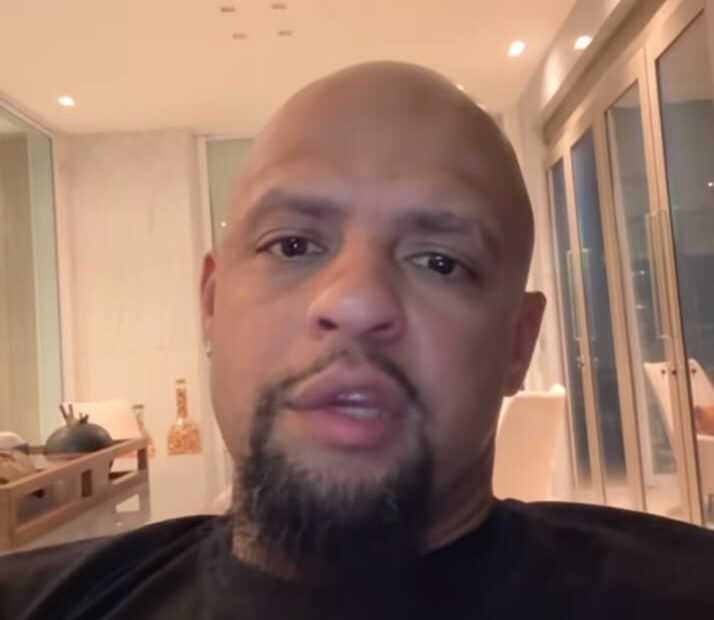
Felipe Melo, ex-Fluminense and now a commentator in Grupo Globo’s broadcasts, didn’t dress it up. His take was blunt: if he were running the club, he wouldn’t have signed off on a date change that, in his view, disregards the people who bought tickets and organized travel. In his words, the Tricolor erro by accepting the shift.
He also made a point that cuts deeper than just this weekend’s fixture. Melo claimed Fluminense once showed “gentileza” in the past, and that it wasn’t repaid. That’s the kind of old-school grievance that builds grudges behind the scenes, and he openly questioned the logic of being “nice” when the other side won’t reciprocate.
Why Fluminense accepted the date change
Let’s not pretend the postponement came out of thin air. The justification tied to logística de viagem and descanso competitivo for Flamengo was the backbone of the request. In other words: adjust the schedule to protect the rhythm and recovery plan.
And sure, every club manages minutes, rotations, and recovery. But here’s the real question we asked in our coverage from the start: when the bastidor entre dirigentes leans toward convenience, where does that leave the fans? Where’s the institutional fair play when the calendar gets rewritten after tickets are already moving?
The criticism toward fans and the impact of the new match time
Felipe Melo’s anger isn’t only about the club. It’s about the people getting squeezed by the decision. He explicitly said he thinks like the majority of Tricolores who are chateados, especially those who bought tickets and are coming from far away, only to find their plans wrecked by a late switch.
And he went further with a rhetorical gut-punch: if every club solved travel problems by pushing a game a day, wouldn’t that be chaos? The whole thing becomes a slippery slope where the schedule bends whenever someone asks nicely.
- The match moved to Sunday at 18:00 Brasilia time.
- Fans who already bought tickets now face a new rhythm and potentially new travel constraints.
- The justification centered on travel logistics and competitive rest.
The weight of the backstage between Fluminense and Flamengo
There’s history here, and Felipe Melo clearly wants that history on the table. He mentioned that Fluminense, during his playing days at Laranjeiras, experienced moments where “gentileza” appeared to be one-sided. And once that narrative sticks, it changes how every new negotiation is read.
Then he dropped the comparison that escalated the tone: he argued that Flamengo—with what he called the “best squad in South America”—should be able to absorb a one-day shift without turning it into a crisis. According to him, the roster depth makes the “no rest” excuse less convincing.
That’s why the repercussão entre torcedores exploded. It’s not just a fixture; it’s a signal about power, negotiation, and who gets listened to when the calendar gets messy.
The line that summed up the revolt
When Felipe Melo went full Polêmico Sem Filtro, he basically framed the decision as a slap in the face to the people who follow the club with real time and real money. His message to the Tricolor leadership was clear: if he had a say, he wouldn’t allow it.
In his own framing, the match change became a question of respect and reciprocity—especially given the decisão da CBF and the way the clubs handled the request together. That’s the kind of sentence that travels fast in the stands, because it sounds like what fans have been saying in whispers and group chats.
What changes for the Tricolor supporter
Practically, the calendar moved. Emotionally, the trust took a hit. For the supporter, the adiamento de clássico means re-planning, juggling travel logistics, and dealing with the reality that ingresso já vendido doesn’t come with a refund of time.
And for the club, the bigger problem is reputational. Once a bastidor entre dirigentes decision feels like it favors convenience over fairness, it becomes fuel for debate that doesn’t die with matchday.
O Veredito Jogo Hoje
Here’s our call: the Tricolor leadership didn’t just accept a schedule adjustment—they handed fans a reason to question the club’s spine. If the argument is descanso competitivo and logística de viagem, fine, but don’t act surprised when people see it as a power play dressed up as procedure. A classic is sacred, and when the decisão da CBF lands in a way that punishes supporters who already bought in, it stops being “administration” and starts being a message. And that message, for me, is the part that stings the most.
Perguntas Frequentes
Why was the Fla-Flu postponed?
Because Flamengo requested the change and the decision da CBF approved it, with the justification centered on logística de viagem and descanso competitivo. The date shift was accepted by both clubs, moving the 11th-round classic to Sunday at 18:00 Brasilia time.
Did Felipe Melo ever play for Fluminense, and why does his opinion carry weight?
Yes. Melo is a former Fluminense player and later a high-visibility commentator. He also claimed that during his time at the club, “gentileza” sometimes felt one-sided, so his take on the bastidor entre dirigentes hits home for a lot of Tricolor fans who remember how negotiations felt back then.
What changes for supporters who already bought tickets?
The big change is timing. With the adiamento de clássico, fans who bought tickets must adjust their plans—especially those traveling due to the logística de viagem involved. Melo specifically pointed to supporters coming from afar who may not be able to attend on the new day.