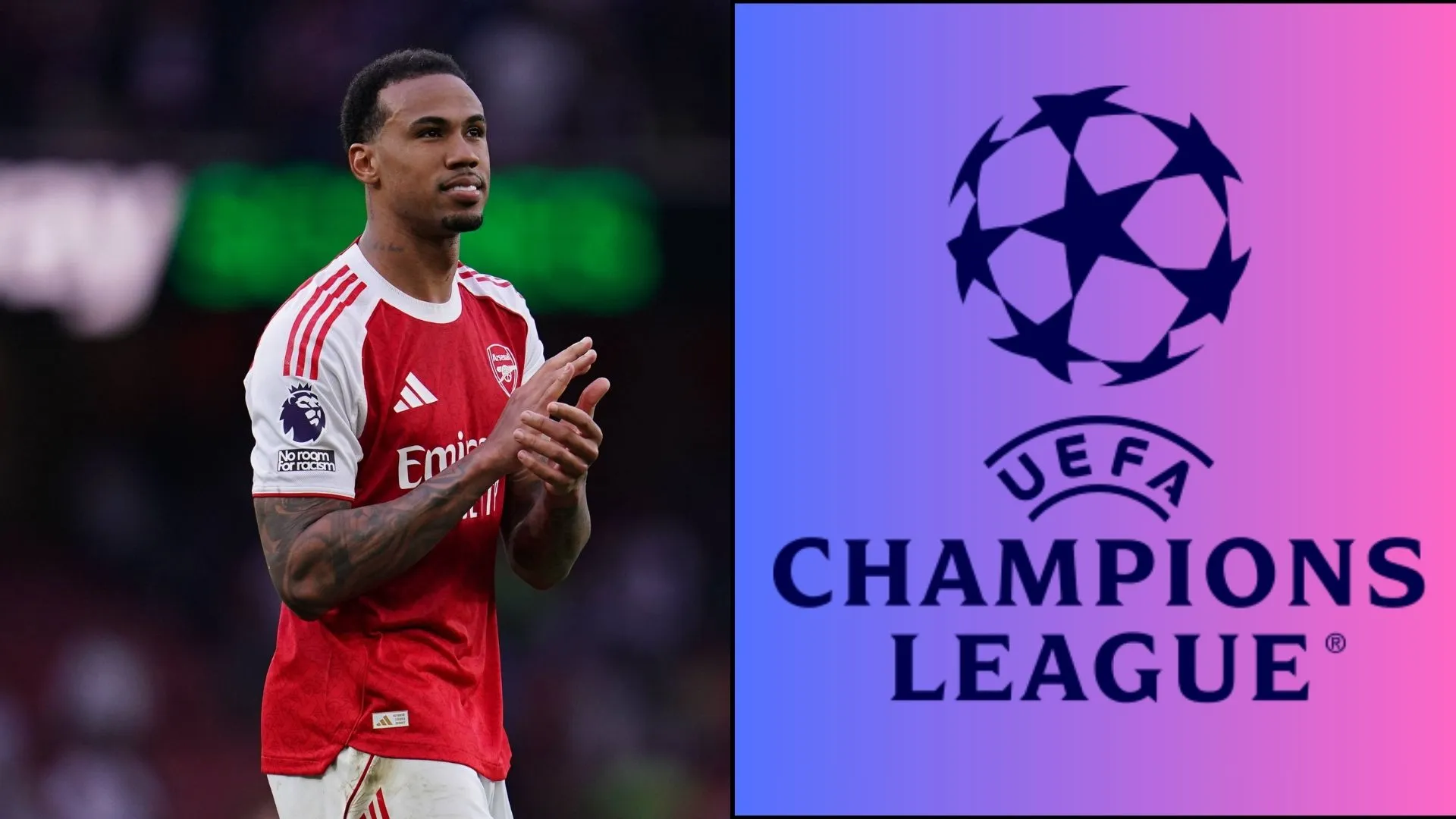
Arsenal vs Atletico Madrid and Bayern Munich vs PSG are in the Champions League semifinals, and the question buzzing in every fan chat is the same: Jogo Hoje reports the rules are straightforward, but the consequences are not. When the placar agregado ends level in the knockout stage, you don’t jump straight to penalties. You earn the next chess move: tempo extra.
Is there extra time in the Champions League knockout stage?
Yes. In every knockout tie of the Champions League, if the two legs finish level on the placar agregado, the match goes to tempo extra first. UEFA’s logic is clear: with the gol fora de casa no longer acting as a critério de desempate since 2021/22, the game has to run longer before anyone can be eliminated.
That matters for Arsenal and Atletico, and it matters for Bayern and PSG. This is not a “maybe”. It’s the default path once the aggregate score is deadlocked.
How the tiebreak works: aggregate, extra time and penalties
Here’s the sequence, no mysticism:
- First comes the placar agregado across both legs.
- If the critério de desempate is still unresolved because the aggregate score is level, the tie enters tempo extra.
- Tempo extra is played as two periods of 15 minutes.
- If the teams are still level after tempo extra, the winner is decided via a disputa por pênaltis.
So, when fans talk about “what happens if it’s tied”, the answer is: it escalates. The drama doesn’t disappear, it just shifts from aggregate arithmetic to pure game-state pressure.
What this means for the Arsenal vs Atletico and Bayern vs PSG return legs
The schedule sets the stage: the second legs are on Tuesday (5) and Wednesday (6), both at 16:00 Brasília time. Arsenal will host Atletico at the Emirates Stadium, while Bayern will take on PSG at the Allianz Arena.
Now for the scenarios that coaches actually plan for:
- If Arsenal and Atletico return with the tie still level on the placar agregado, the night won’t be decided by a sudden-death moment right away. It goes into tempo extra, with two periods of 15 minutes to find the breakthrough.
- If Bayern win by a single-goal margin over PSG and the aggregate becomes level, again, the tie drifts into tempo extra. But if Bayern manage to put enough goals on the board to avoid parity on aggregate, then the story ends earlier.
Even the referenced PSG vs Bayern scoreline shows how wild these knockout nights can get: a 5-4 result is the kind of game where one slip flips the entire game-state. That’s why the rules matter. A plan that ignores tempo extra is a plan that’s one booking away from collapsing.
Why the away goals rule doesn’t decide anything anymore
Since 2021/22, the gol fora de casa has stopped being a tiebreak for knockout ties. That’s the big shift fans had to re-learn after the format changes. In practical terms, it means the aggregate scoreboard is king.
So if you’re thinking, “Okay, but if one team scored more on the road…” you’re using an outdated lever. The tie either resolves on aggregate or it moves to tempo extra and, if necessary, the disputa por pênaltis. Simple. Ruthless.
Practical scenarios for the second legs
Let’s strip it down to what you’ll feel in real time at 16:00 Brasília:
- Scenario 1: The teams are level on aggregate when the second leg ends in regular time. Expect tempo extra with two periods of 15 minutes.
- Scenario 2: One side scores during tempo extra and breaks the deadlock. Then the tie ends there. No roulette.
- Scenario 3: Nobody breaks the tie across tempo extra. That’s when the disputa por pênaltis decides it, and the goalkeeper becomes a headline character.
And yes, it’s the same idea conceptually in the final: a single match at the Puskás Arena in Budapest on the 30th at 13:00 Brasília. If the scoreline is level, there’s tempo extra and, if needed, penalties.
O Veredito Jogo Hoje
From a tactical standpoint, this is why teams can’t treat a level aggregate like a “safe” score. The rules are set up to push pressure deeper: once the placar agregado is tied, you’re effectively signing up for tempo extra and, if it drags on, a disputa por pênaltis. Arsenal, Bayern, PSG and Atletico aren’t just managing 90 minutes. They’re managing legs, risk, and the clock—because the critério de desempate is no longer about the gol fora de casa. It’s about who wins the next phase of the fight.
Perguntas Frequentes
Is there extra time in every stage of the Champions League knockout?
Yes. In the Champions League knockout rounds, if the placar agregado is level, the tie goes to tempo extra first, before any disputa por pênaltis.
If the tie is still level after extra time, what happens?
After tempo extra (two periods of 15 minutes), if the score remains level, the winner is decided through a disputa por pênaltis.
Does the away goals rule still count as a tiebreak criterion?
No. The gol fora de casa no longer serves as a critério de desempate since 2021/22. The tie must be resolved via aggregate score, then tempo extra, and finally penalties if needed.