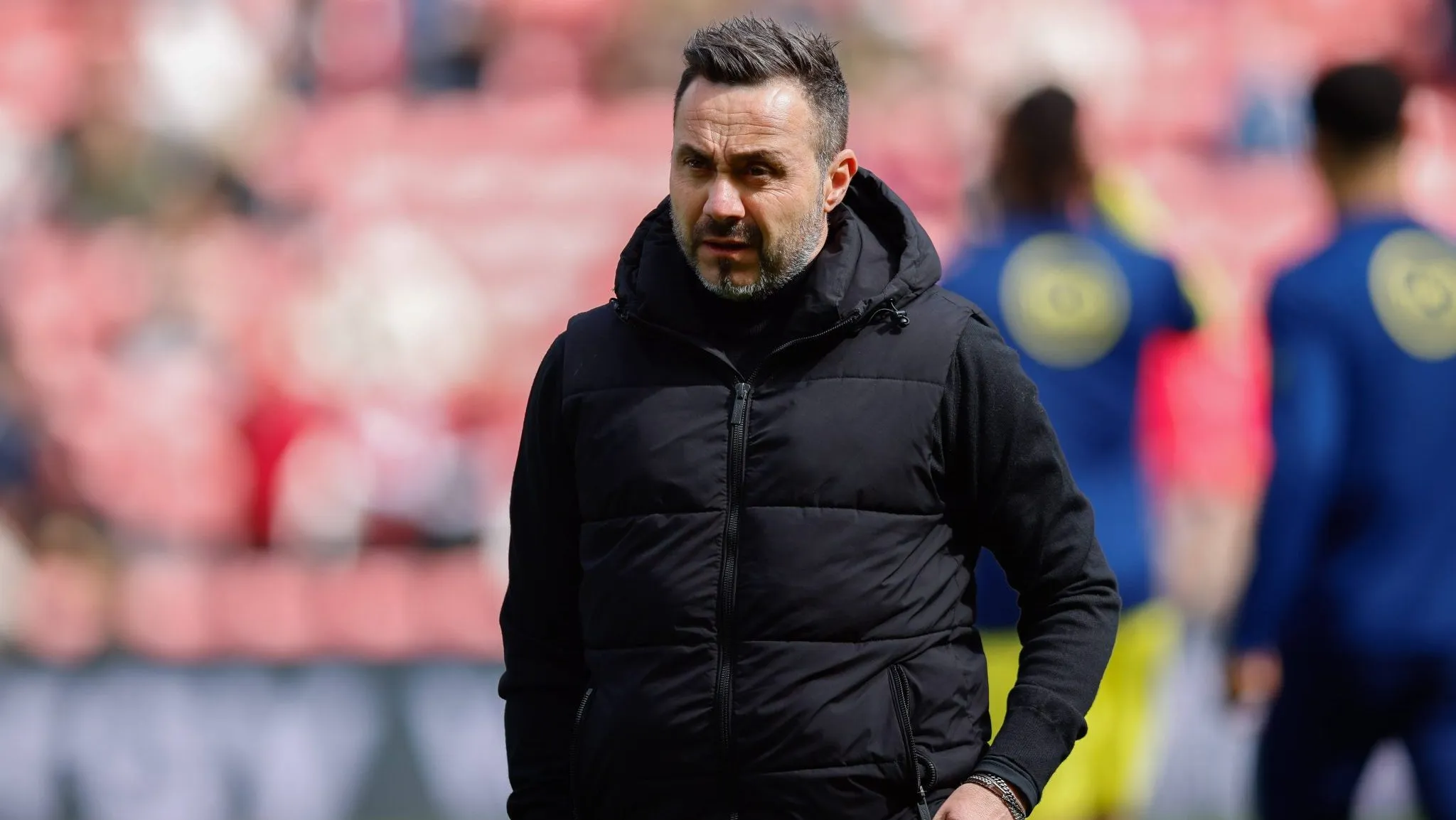
Jogo Hoje has seen plenty of Premier League firefights, but this one feels different: Tottenham’s 1-0 defeat to Sunderland on Matchday 32 didn’t just extend the rot, it underlined how urgent this job is for Roberto De Zerbi. The clock is ticking, and the club has ended a round inside the relegation zone for the first time since 2008.
For the survival-minded, the question isn’t “did they lose?” It’s “what did De Zerbi try to change, and what does that say about his tactical mind?” Because even in a match that ends with a single strike from Nordi Mukiele at 17 minutes, the new manager’s choices gave away a clear plan. And they came with a sense of conviction that you could practically hear over the noise in the stands.
The debut that shifted the tone of the crisis
Tottenham sit on 30 points in 18th place, and thanks to results around them, they’ve slipped into the bottom three end of the table for the first time in years. Their winless run through 2025 has become a headline on its own, but the bigger tactical alarm is what’s happening in the moments that decide games: the defensive structure, the transitional defensive phases, and the willingness to suffer together while chasing a breakthrough.
De Zerbi’s first touch on the Tottenham bench came with a blunt message. He didn’t hide behind excuses, didn’t wait for “the perfect conditions.” Instead, he started by choosing a new goleiro titular and then kept tweaking the pattern as the match unfolded. That’s not just management. That’s a coaching philosophy moving from theory into duels.
What De Zerbi changed before and during the game
With only a couple of weeks of work before kickoff, De Zerbi went for targeted adjustments rather than a full rewrite. The most eye-catching decision was Antonín Kinsky coming in as the starting goalkeeper, ending a situation where Tottenham had been forced to rethink their defensive stability under pressure. The timing matters: Tottenham have conceded in 12 of their last games, except the 1-1 draw with Brentford on January 1. That’s not a statistical wobble; it’s a repeated tactical leak.
And then the match itself told a story. Tottenham pushed for an early edge and even had chances to open the scoring, including a clear opportunity for Dominic Solanke in stoppage time, but Sunderland’s goalkeeper Robin Roefs stood firm. A penalty appeal involving Randal Kolo Muani followed, only for VAR to overturn it. Those are the kind of swings that can derail a team’s nerve. Yet De Zerbi’s response was the opposite of panic.
At 17 minutes, Sunderland’s goal forced Tottenham to play from behind. But even then, De Zerbi didn’t change the core idea of how he wanted the game to be contested. Just before Nordi Mukiele struck, he had already signaled that he was willing to gamble on personnel to alter the timing of the match. That’s the hallmark of a coach who believes the system can survive pressure, not just the scoreline.
Kinsky, the backline and the boldest bet
The Kinsky call wasn’t simply a “fresh start.” It was a bet on what happens when the ball goes in behind and when the opponent turns defense into attack with speed. Tottenham have lacked control over the pressão pós-perda moments at times, and Sunderland punished that kind of delay by keeping attacks moving forward.
With Kinsky, Tottenham managed to keep the scoreline stable through the first half. Sunderland’s pressure produced a couple of one-on-one type situations, and Kinsky delivered the kind of stops that buy your team time. That’s the tactical value of a high-level goalkeeper in a relegation scrap: he’s not just saving shots, he’s preventing chaos from spreading into the line of four and beyond.
De Zerbi’s back-up plan was also visible. The manager didn’t wait until the 80th minute to react. He kept adjusting tempo and bodies to sustain the threat. Multiple substitutions came in the second half, including a first wave that reshaped Tottenham’s attacking and midfield balance:
Pape Matar Sarr, Mathys Tel and João Palhinha were introduced in quick succession.
Christian Romero made way for Kevin Danso after a collision involving Kinsky, who required head bandaging.
Xavi Simons entered late as Tottenham pushed for an equaliser.
Here’s the key: these moves didn’t instantly turn Tottenham into a high-octane attacking machine. What they did show was the intended identity under De Zerbi. Expect a team that defends with more structure, seeks bloco baixo when needed, and tries to trigger a more aggressive pressão pós-perda after losing possession. Expect, too, more attention to the spaces between the lines—because those are where Sunderland found their most dangerous routes.
What the loss reveals about the survival plan
Tottenham didn’t collapse into a shell. They created chances, they kept searching, and they weren’t afraid to make ajuste tático calls even when the game got ugly. That’s important, because the worst thing a relegation-battling team can do is freeze. De Zerbi’s substitutions suggest he’s trying to keep Tottenham’s shape alive while nudging the match toward moments they can exploit.
Still, the defeat exposes the hard truth: Sunderland controlled parts of the attacking plan, and their defense—described as the Premier League’s fifth-best—made Tottenham pay for any hesitation in the transição defensiva. That’s why the “survival plan” can’t only be about tactics on paper. It has to become repeatable, muscle-memory football under stress.
In other words, this wasn’t a moral victory. It was a tactical snapshot. And it raises a pointed question: if Tottenham can’t tighten the moments after the ball is lost, how long can Kinsky and the revamped structure keep the scoreboard from bleeding?
The historical weight of the relegation zone
Being in the bottom three for the first time since 2008 isn’t just a league table fact. It’s a psychological weight. When a club reaches that level, every bad spell becomes a referendum on identity. And Tottenham have been stuck in a defensive spiral for months, conceding consistently even when they show flashes of competitive intent.
So when De Zerbi took over, he inherited a problem that runs deeper than formations. The team needs a collective response to pressure: compactness, bravery in duels, and a willingness to defend as a unit without losing their nerve in possession. If the bloco baixo idea is the anchor, then pressão pós-perda is the engine. Without the engine running, the anchor alone won’t keep you afloat.
What comes next against Brighton
Next up is Brighton at home in Matchday 33. That fixture is a litmus test for how quickly De Zerbi can turn these early signals into a functioning routine. Brighton typically punish teams that surrender structure and invite them into space. Tottenham will need to show they can reset fast, protect the line of four, and make the transição defensiva phase less of a lottery.
If De Zerbi’s debut was about setting the tone, the Brighton game will be about proving the system can survive Premier League tempo. Because survival doesn’t come from intention alone. It comes from execution on a week-to-week basis, especially when you’re already standing in the danger zone.
O Veredito Jogo Hoje
We’ll give De Zerbi credit where it’s due: he didn’t coach like a tourist, he coached like a fixer. The Kinsky start and the early, frequent personnel changes scream a clear intent to rebuild defensive reliability and sharpen the moments after Tottenham lose the ball. But Sunderland exposed the same old pain points—structure under pressure and the transição defensiva—and that means Tottenham’s survival isn’t just a tactical question. It’s a discipline question. If the next week doesn’t bring results, the plan will be judged less by ideas and more by points. And in this league, points don’t care about your philosophy.
Perguntas Frequentes
How was Roberto De Zerbi’s debut for Tottenham?
Tottenham lost 1-0 to Sunderland in Premier League Matchday 32. De Zerbi made notable changes, including starting Antonín Kinsky as goalkeeper, and used multiple substitutions in the second half while keeping his tactical approach consistent despite conceding early.
Why did Tottenham end up in the relegation zone?
The defeat left Tottenham on 30 points in 18th place, and results around them pushed the club into the bottom three for the first time since 2008. Their winless run in 2025 and a defensive record that saw them concede in 12 of their last matches also played a major role.
What’s Tottenham’s next Premier League match?
The next game is against Brighton at home in Matchday 33.