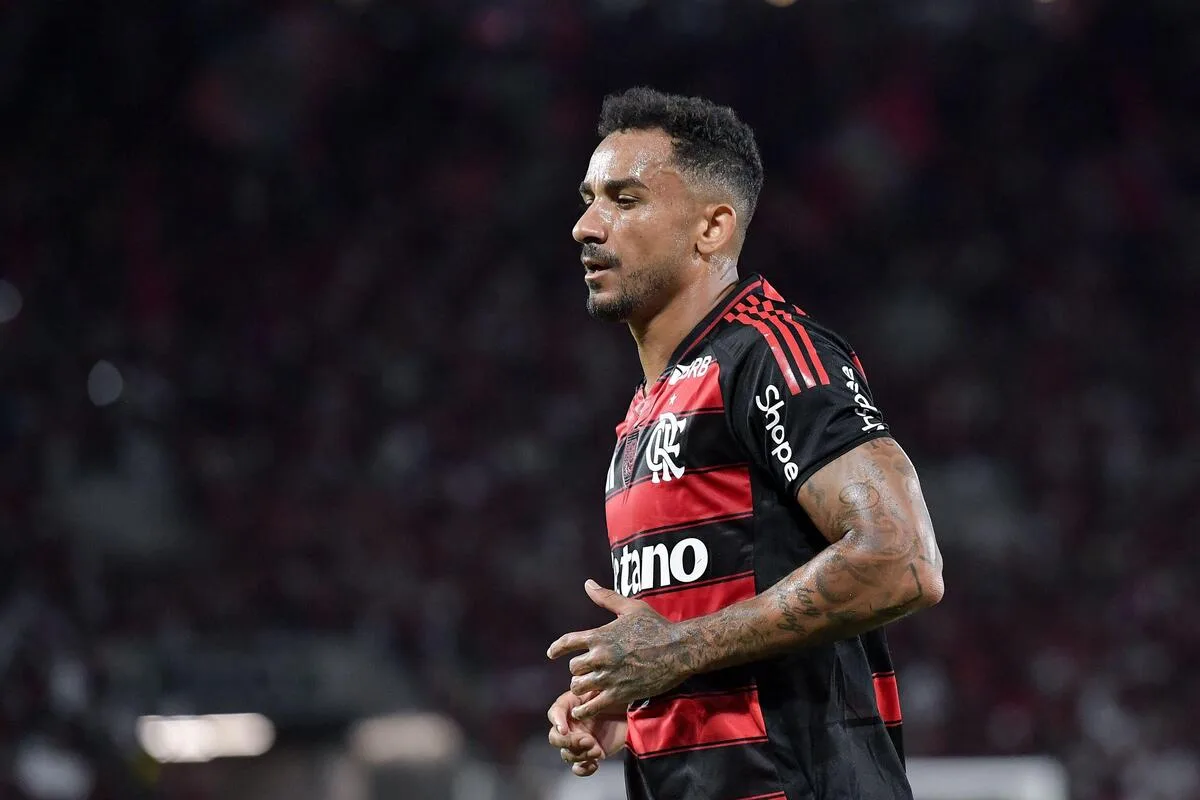
Leonardo Jardim didn’t mince words when talking about Danilo at Flamengo. In an interview on the Mengocast, the coach praised the defender’s value that goes well beyond what the scoreboard says. For Jardim, this is about the kind of professional who quietly stabilizes the whole room.
And yes, according to what we read from the wording, it’s also about Jogo Hoje keeping track of the Flamengo backstage and the market every day, because these details are exactly what decide seasons.
The quote that caught attention
Jardim framed Danilo as part of a small group of players who know how to age in football. He pointed to a mindset that doesn’t chase the fantasy of playing at 35 exactly like he did at 25. That’s not a moral speech, it’s a tactical culture thing: the way a veteran protects standards in training, manages his body, and keeps the team’s habits intact.
He also stressed the defender’s daily behavior. Danilo stays locked in whether he’s starting or not, keeping the same commitment level and showing up with the same intensity. That kind of consistency doesn’t just earn respect from teammates; it helps the coach build a reliable squad machine, week after week.
Why Danilo matters even when he isn’t the headline
Let’s talk role, because that’s where Jardim’s comments get interesting. Danilo isn’t being praised as a “nice guy” or a feel-good story. He’s being valued as a multifunctional player in the collective sense: the kind of profile that supports squad hierarchy and makes the transition between phases of play smoother.
When Jardim says Danilo helps in integration, he’s describing more than camaraderie. He’s describing how a coach adapts the group. A coach can’t simply install tactics; he needs buy-in. And buy-in often comes from the veteran who respects the work, understands the context, and doesn’t treat the shirt like a bargaining chip for minutes.
At 34 years old, Danilo’s value shows up in minutes management without drama. You don’t always need him to play 90 to influence the match. Sometimes you need him to keep the standards high during training, to speak the same language in the defensive line, and to raise the floor for everyone around him.
What “knowing how to age in football” really means
Jardim’s “small group” line is basically a tactical diagnosis. Most players struggle after the physical peak because they cling to the old script. Danilo, as Jardim describes it, understands that the impact can evolve: timing, positioning, reading the game, and being useful without needing to replicate the same athletic output.
That’s exactly why Jardim referenced the idea that players can’t just “want to play the same way” at 35. The smart ones adjust. The stubborn ones break the squad rhythm, because they turn adaptation into resentment.
Jardim even contrasted Danilo with another case from his career: a player who would stop if he wasn’t guaranteed to start. That’s the wrong kind of veteran profile for a club that needs collective discipline. Danilo, according to the coach, accepts that his influence is bigger than matchday minutes.
The Ancelotti connection and the Brazilian national team angle
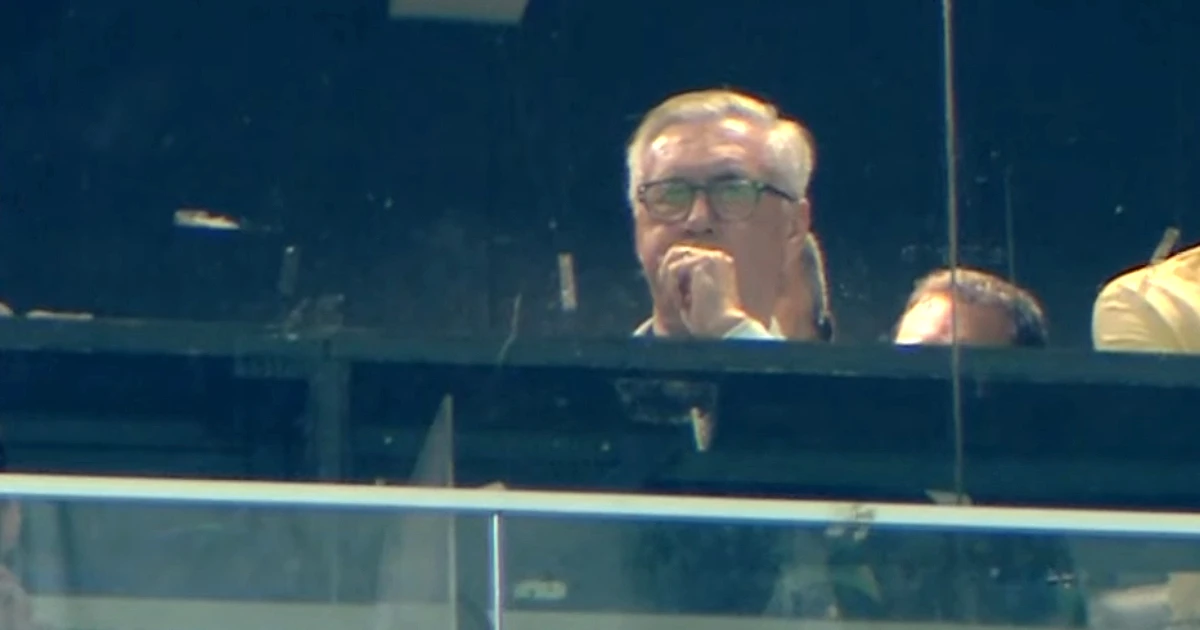
Here’s where Jardim adds weight. He said Carlo Ancelotti also recognizes this profile in the Seleção Brasileira. That matters because it suggests this isn’t just a Flamengo thing; it’s a broader football principle.
Ancelotti, as we know, is obsessed with how teams function in training, transitions, and the emotional management of the season. When a coach of that level highlights “aging well,” he’s essentially talking about reliability under pressure: the ability to keep structure when the legs slow down.
So when Jardim links Danilo to that observation, he’s building the argument that Danilo’s value is transferable across environments, not trapped inside one system.
Post-career is already part of the conversation
Jardim didn’t stop at the present. He said he already discussed the next steps with Danilo regarding life after his playing career. That’s where the word transition to post-career stops being a cliché and becomes a plan.
According to Jardim, Danilo is passionate about football, loves training and matches, and wants to stay connected even if he doesn’t keep playing. So the coaching staff isn’t just thinking about the next game; they’re reading a long arc for how the club can preserve culture.
And from a market perspective, Jardim makes it clear: Flamengo won’t be the only club interested in this kind of professional. In clubs of medium or big size, the locker-room impact and the culture work can be the difference between “good season” and “real project.” That’s why Danilo’s profile fits the market and the club’s need for adapting to the coach and sustaining standards.
O Veredito Jogo Hoje
Leonardo Jardim is basically telling us that Danilo is a cornerstone of locker-room leadership without needing to be the main character on the pitch. That’s the tactical truth: this is hierarchy of the squad in motion, it’s management of minutes with maturity, and it’s a profile of veteran that understands the job is bigger than starting XI. While others chase protagonism, Danilo keeps the team’s rhythm alive. That’s why Flamengo should value him as a strategic asset, not just a backup option.
Perguntas Frequentes
What did Leonardo Jardim say about Danilo at Flamengo?
Jardim praised Danilo’s attitude, saying he belongs to a small group who know how to age in football. He highlighted Danilo’s leadership in the daily routine, his commitment whether starting or not, and even mentioned that he has already discussed Danilo’s post-career path.
Why is Danilo considered important even without being a regular starter?
Because his influence is collective: he supports squad discipline, strengthens locker-room leadership, helps with integration, and contributes to the team’s standards. That’s the real value of this kind of multifunctional player, and it shows up in training culture and tactical stability.
Can Danilo keep playing after he ends his career?
Jardim indicated the opposite of a cut-and-run mindset. He said they discussed how Danilo will stay involved in football in some capacity, and that his passion for training and matches points toward a future role beyond playing, fitting the transition to post-career idea.